
Botox vs Dermal Filler Training: What’s the Difference?
If you’re considering enrolling in an injectable training program in Colorado, you may be wondering:
What’s the difference between Botox training and dermal filler training?
While both fall under aesthetic injectables, they require different techniques, anatomical knowledge, and clinical approaches. Understanding these differences helps you choose the right training path — or determine whether you should complete comprehensive training in both.
This guide breaks down how Botox and filler training differ in structure, skill requirements, and career impact.
The Core Difference: Muscle vs Volume
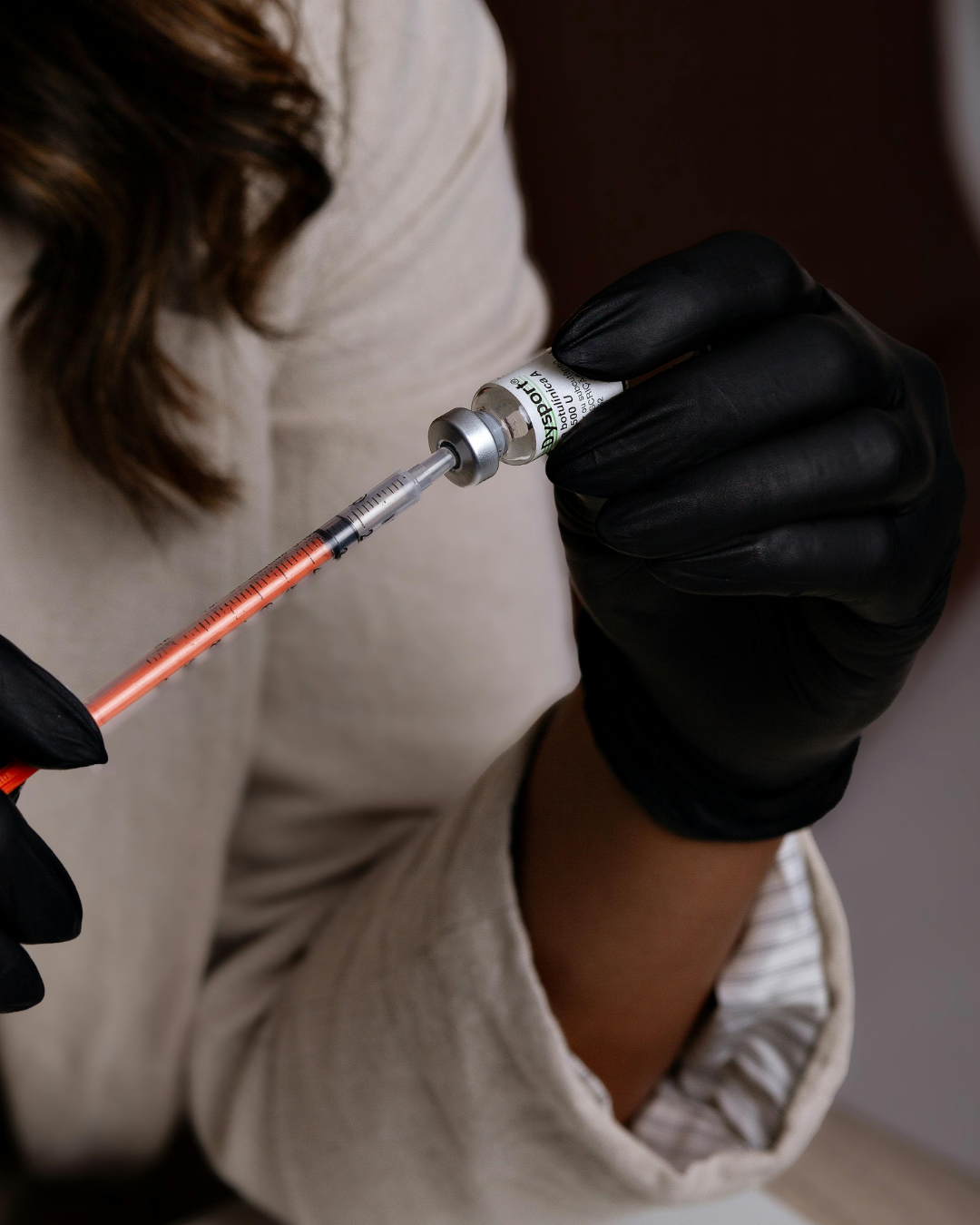
The most fundamental difference between Botox and dermal fillers is what they treat.
Botox (Neuromodulators)
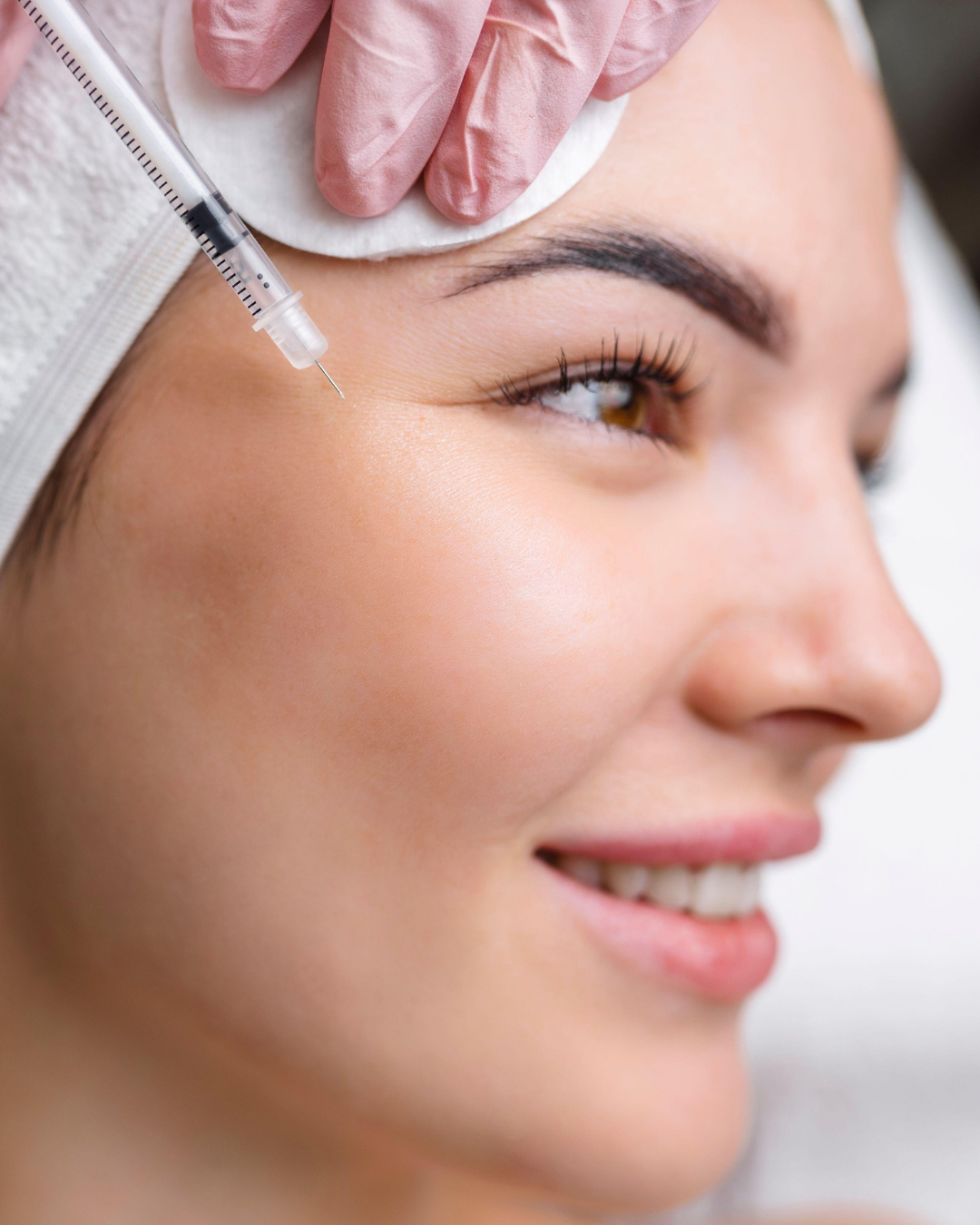
Botox and similar neuromodulators temporarily relax targeted facial muscles.
They are commonly used to treat:
Forehead lines
Frown lines (glabellar lines)
Crow’s feet
Bunny lines
Chin dimpling
Botox works by reducing muscle contraction that causes dynamic wrinkles.
Dermal Fillers
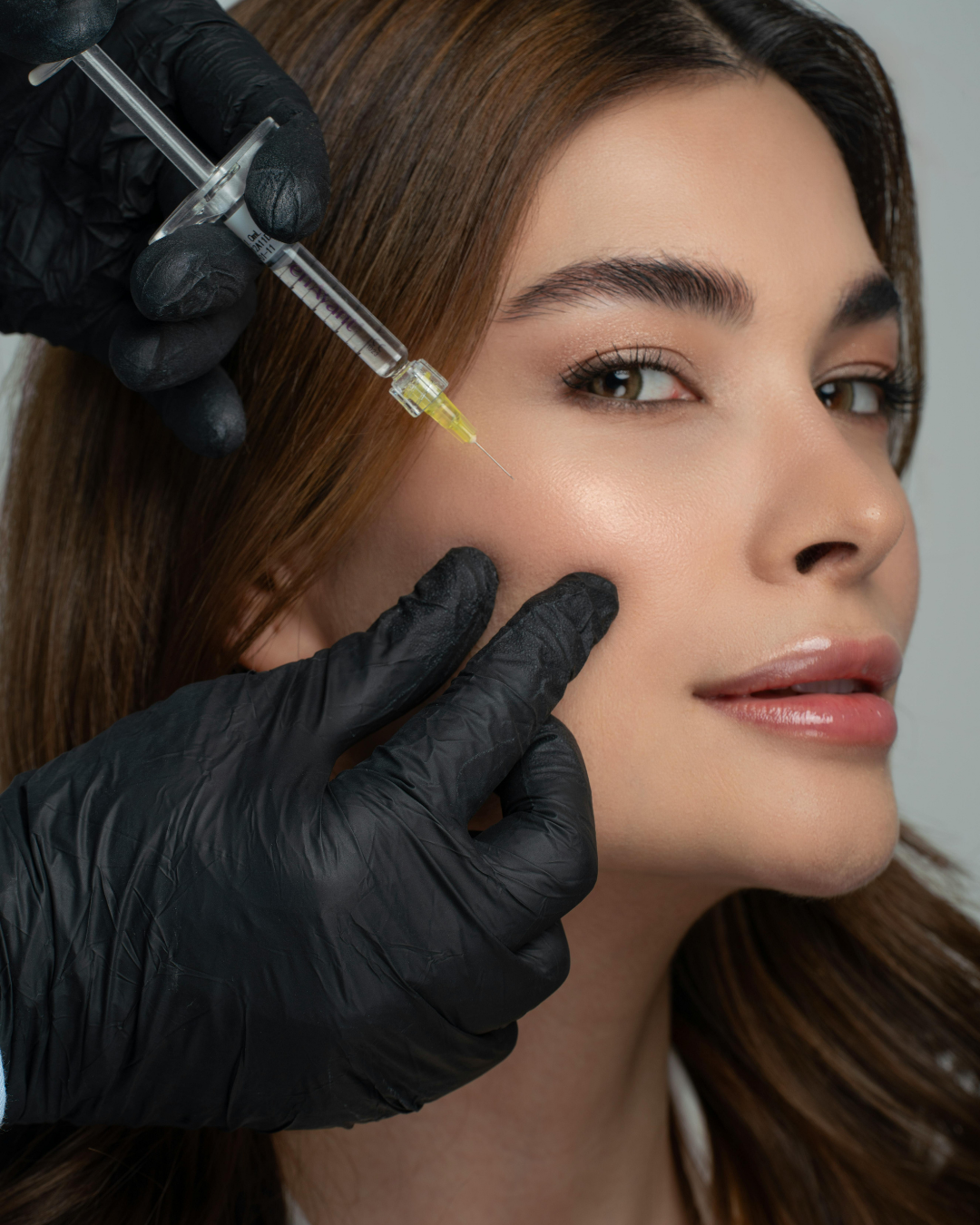
Dermal fillers restore or add volume beneath the skin.
They are used to treat:
Lip enhancement
Cheek augmentation
Nasolabial folds
Jawline contouring
Chin projection
Under-eye hollowing (advanced)
Fillers address volume loss and structural support rather than muscle movement.
Differences in Training Focus
Although both are injectable treatments, the training emphasis differs significantly.
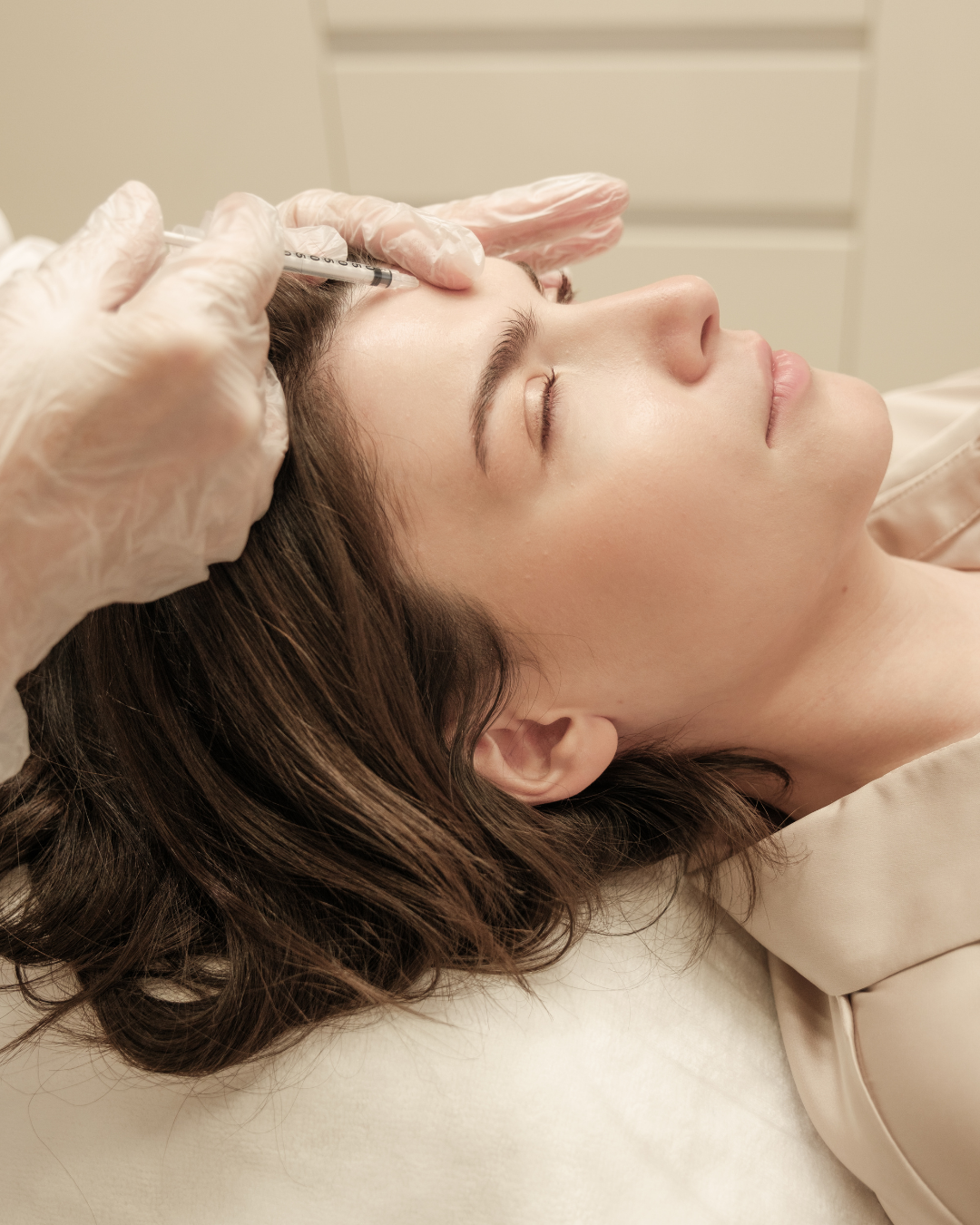
Botox Training Focuses On:
Facial muscle anatomy
Injection depth and placement precision
Dosing and dilution techniques
Symmetry and balancing
Managing overcorrection or ptosis
Botox training is often considered a foundational entry point for new injectors because treatments are typically limited to the upper face in beginner courses.

Dermal Filler Training Focuses On:
Advanced vascular anatomy
Facial aging patterns
Structural facial assessment
Product rheology (how fillers behave under the skin)
Cannula vs needle techniques
Complication recognition and vascular occlusion management
Filler training is often more anatomically complex due to increased vascular risk and deeper injection planes.
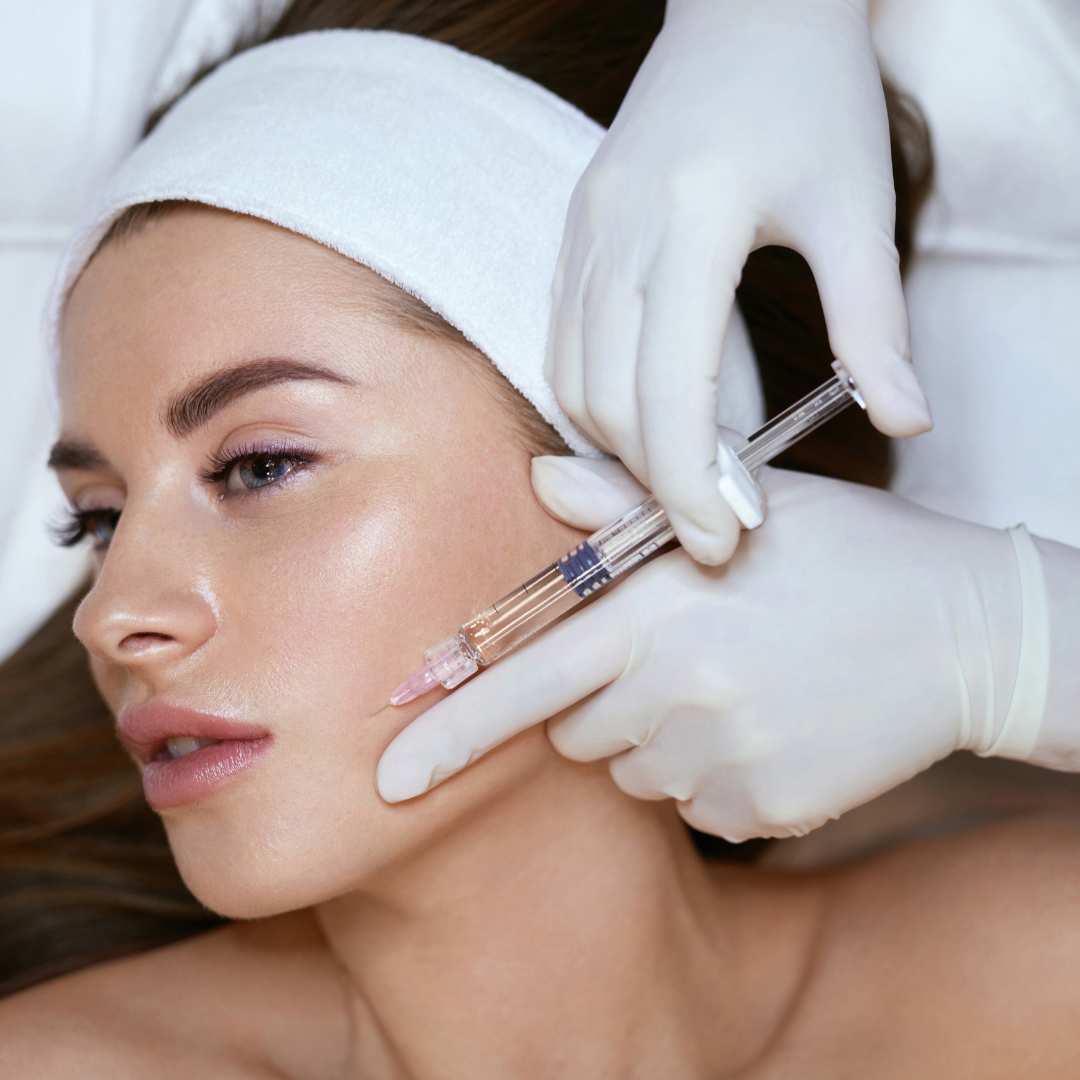
Risk Profile and Complication Management
Both treatments require safety training, but filler education generally includes more intensive complication management due to:
Risk of vascular occlusion
Risk of tissue necrosis
Need for hyaluronidase administration
Botox complications tend to be functional (such as eyelid droop or asymmetry) rather than vascular emergencies.
Comprehensive injectable programs should include structured complication management for both modalities.
Skill Development Differences
Botox Skill Development
Precision placement
Dose control
Pattern recognition in muscle movement
Subtle aesthetic adjustments
Filler Skill Development
Three-dimensional facial mapping
Structural enhancement
Product layering
Aesthetic artistry and proportion analysis
While Botox is technique-driven, filler injections often require deeper facial assessment and sculpting skills.

Which Training Should You Take First?
Many new injectors begin with Botox training because:
It is considered foundational
Treatments are typically less anatomically complex
It builds confidence in injection technique
However, to be competitive in Denver’s aesthetic market, most providers eventually complete both Botox and dermal filler training.
Clinics prefer injectors who can offer full facial rejuvenation rather than a single service.
Comprehensive Injectable Training vs Single-Modality Courses
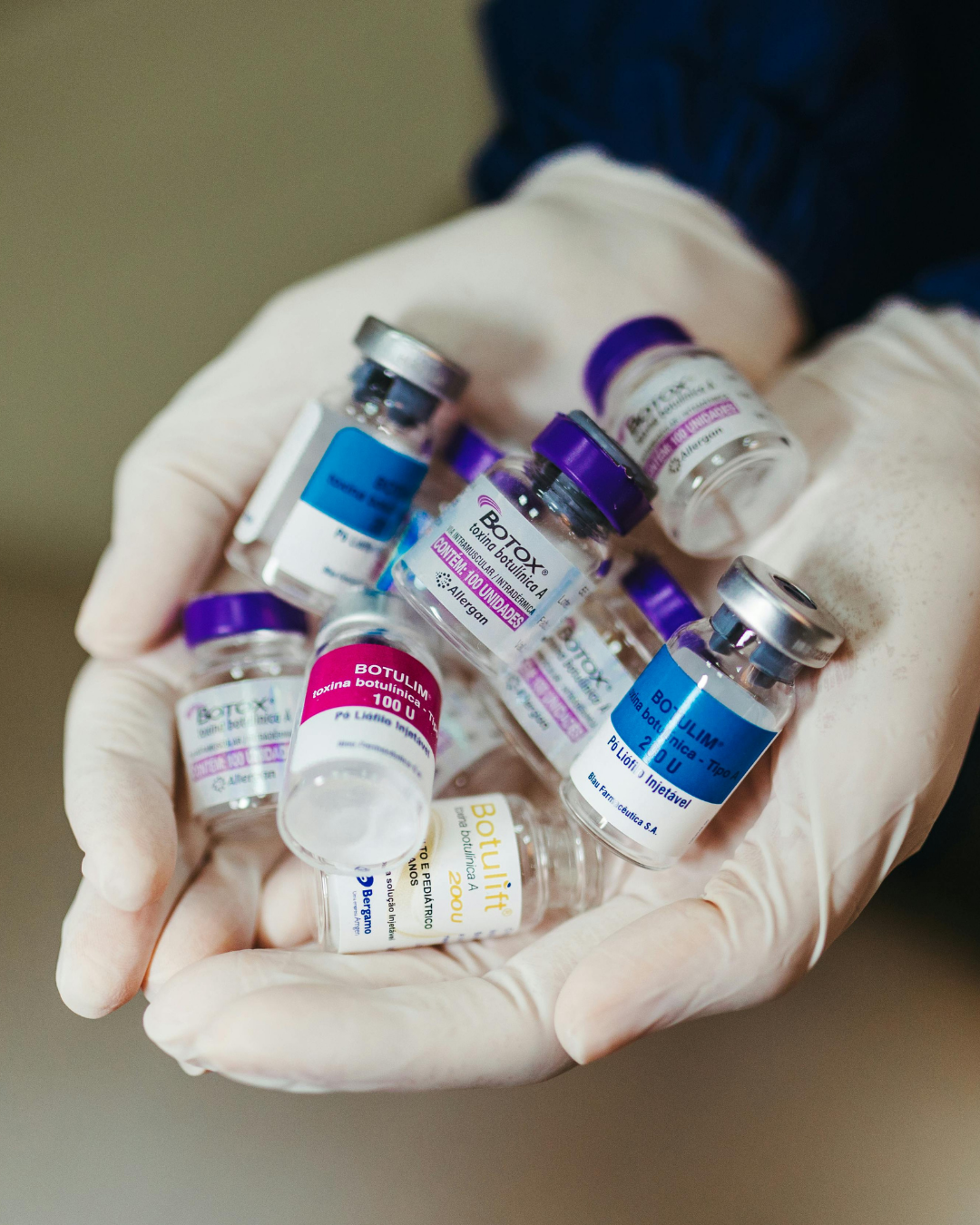
Some programs offer Botox-only weekend certifications. Others offer filler-only workshops.
Comprehensive injectable training programs include:
Full facial anatomy education
Both neuromodulator and filler instruction
Live model injections
Complication management training
Treatment planning and consultation skills
Comprehensive education better prepares students for real-world medspa environments.
Career Impact in Colorado
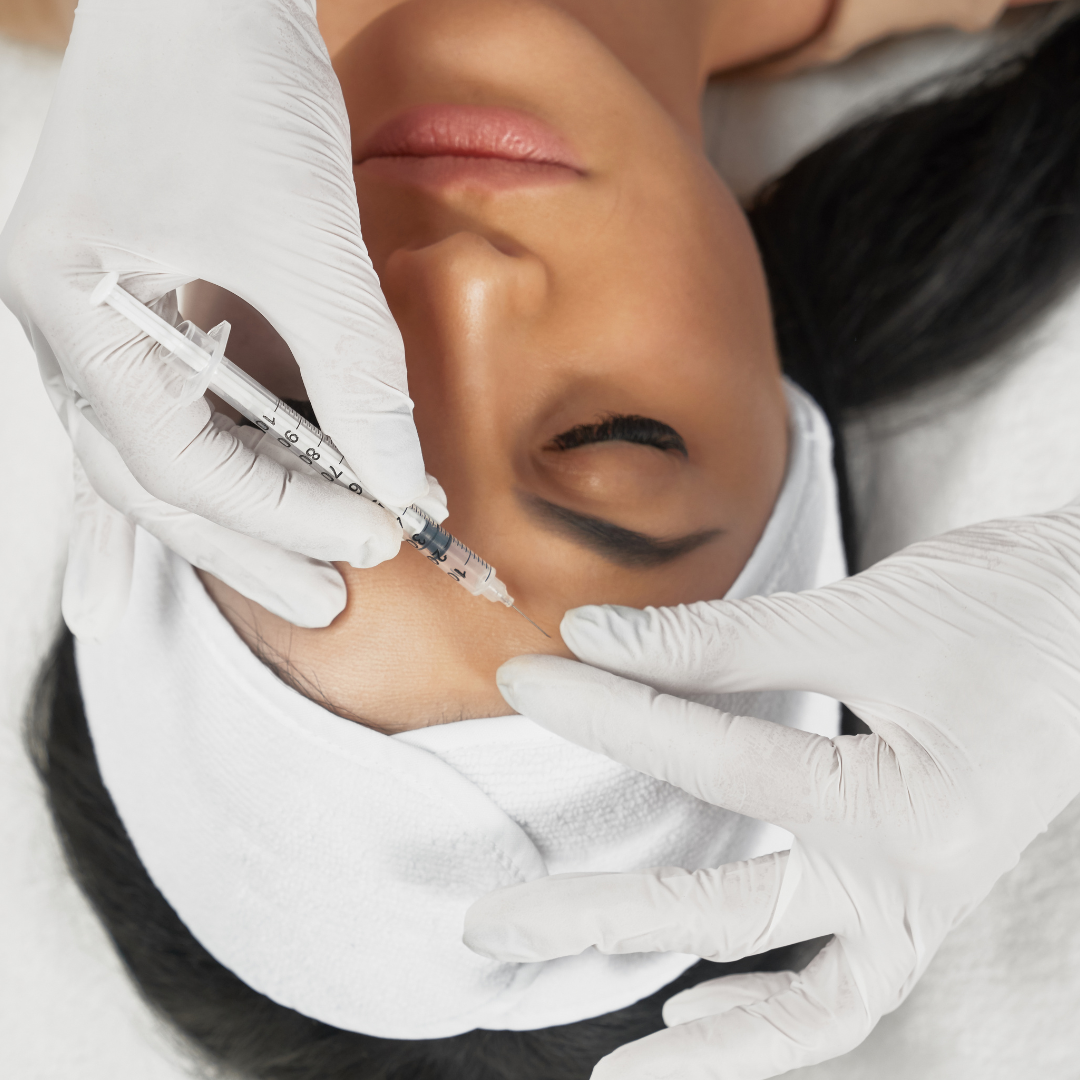
In Denver and throughout Colorado, injectors who are trained in both Botox and dermal fillers:
Generate higher per-client revenue
Build stronger client retention
Offer full treatment plans
Are more attractive to employers
Having both skill sets significantly increases long-term earning potential.

How Elite Aesthetics Academy Approaches Injectable Training
Elite Aesthetics Academy’s Injectable Training Program in Denver provides structured education in both neuromodulators and dermal fillers.
Students receive:
In-depth facial anatomy instruction
Live model injections
Safety and complication management training
Real-world clinical guidance
Our curriculum is designed to build strong foundations while preparing students for advanced skill development.
Final Takeaway
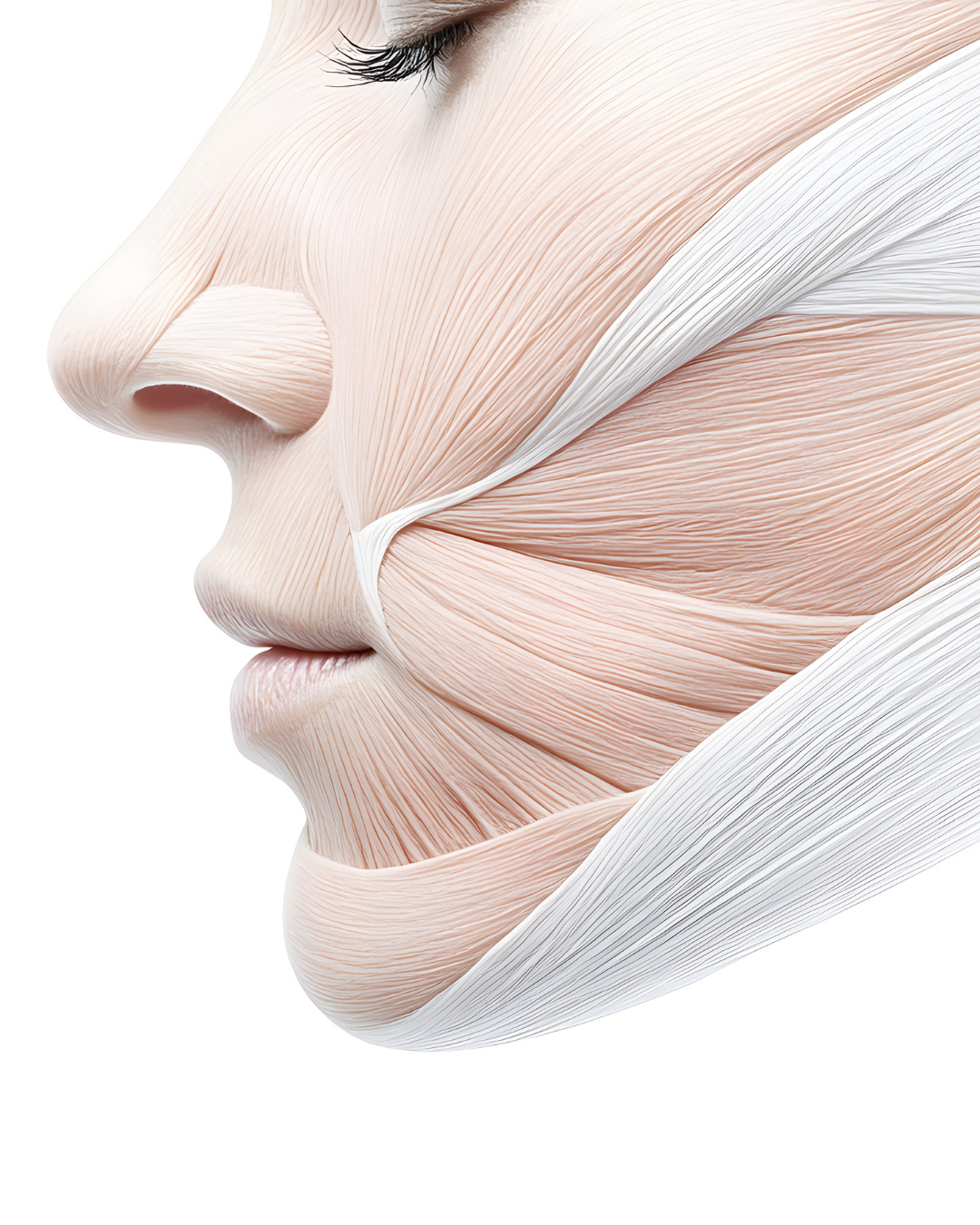
Botox and dermal filler training serve different but complementary roles in aesthetic medicine.
Botox focuses on muscle relaxation and dynamic wrinkle reduction. Dermal fillers focus on volume restoration and facial structure enhancement.
For most aspiring injectors in Colorado, completing training in both modalities provides the strongest career foundation and earning potential.
If you are ready to expand your injectable skillset, request program details or speak with our admissions team to learn more about our upcoming training sessions.
Your injectable career begins with comprehensive, hands-on education.

👉 Explore Cosmetic Injectable Training in Denver
Start cosmetic injectables Training