Common Chemical Peel Mistakes New Estheticians Make (And How to Avoid Them)
Chemical peels are one of the most powerful corrective treatments in professional skincare — but they are also one of the easiest services to perform incorrectly without proper training.
For new estheticians in Colorado, understanding common chemical peel mistakes is essential for protecting your clients, your reputation, and your license.
This guide outlines the most frequent errors beginners make — and how advanced training helps prevent them.
Skipping a Thorough Consultation
One of the biggest mistakes new professionals make is rushing the consultation.
What Goes Wrong:
Failing to ask about recent isotretinoin use
Not screening for active herpes simplex
Overlooking recent laser treatments
Ignoring current skincare product usage (retinoids, exfoliants)
Why It Matters:
Incomplete screening increases the risk of burns, delayed healing, and post-inflammatory hyperpigmentation.
How to Avoid It:
Use a detailed written consultation form
Review medications carefully
Ask about recent procedures
Document everything
Professional peel practice begins before the acid touches the skin.
Misunderstanding pH and Acid Strength
New estheticians often assume higher percentage equals better results.
What Goes Wrong:
Choosing overly aggressive concentrations
Not understanding free acid value
Failing to recognize that pH affects penetration depth
Why It Matters:
Improper acid selection can cause over-exfoliation, barrier damage, or chemical burns.
How to Avoid It:
Understand percentage vs pH
Progress conservatively
Start with superficial peels
Respect skin response over ego
Chemical peels require chemistry knowledge — not guesswork.

Over-Layering the Peel
Layering increases penetration. Many beginners push too far.
What Goes Wrong:
Applying too many layers
Extending application time
Attempting to "force" visible peeling
Why It Matters:
More layers do not equal better results. They increase complication risk.
How to Avoid It:
Follow manufacturer timing strictly
Watch for skin response cues
Document previous tolerance before progressing
Conservative progression builds long-term success.
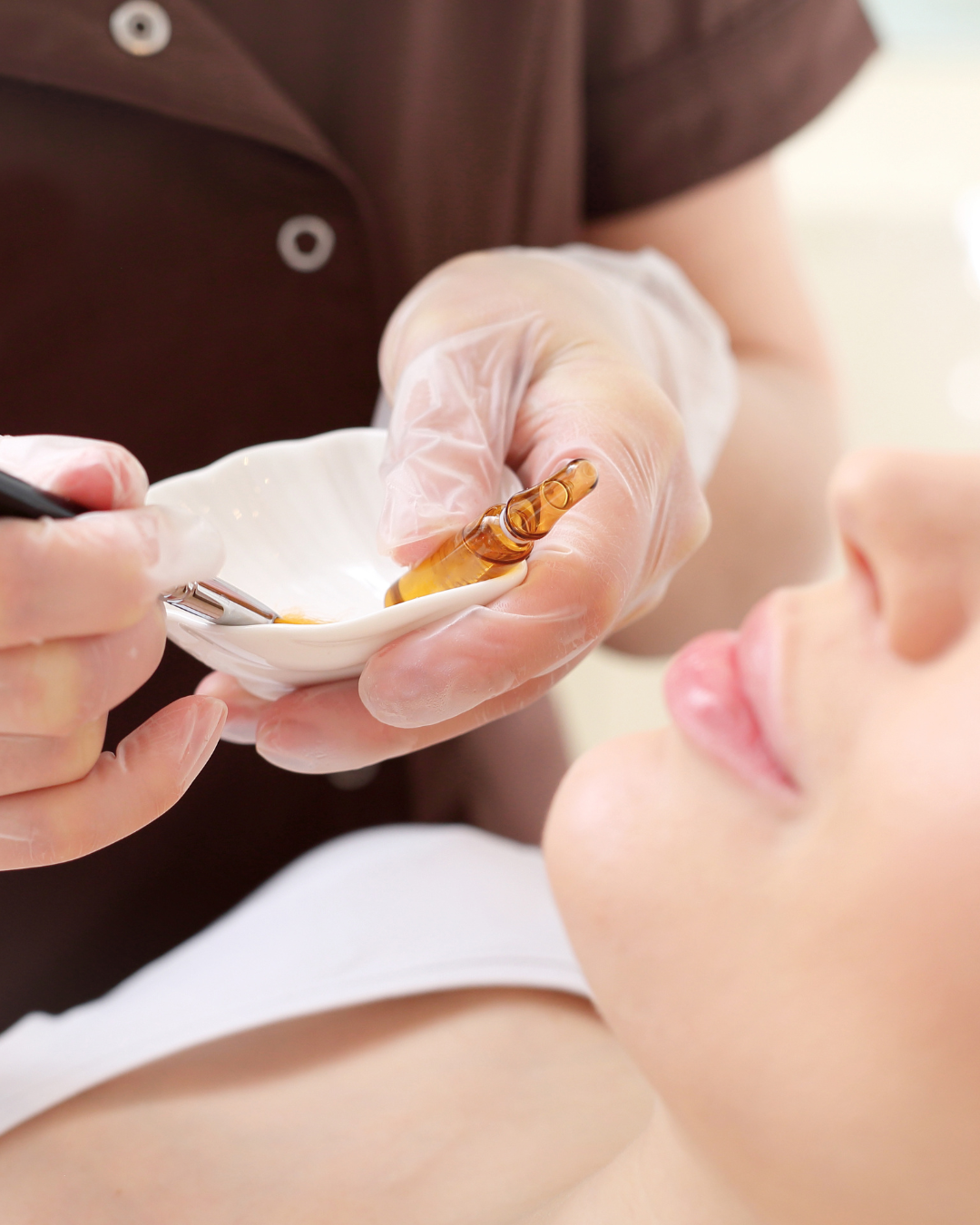
Ignoring Fitzpatrick Skin Type
Treating all skin types the same is a serious mistake.
What Goes Wrong:
Using aggressive acids on higher Fitzpatrick types
Not preparing melanin-rich skin properly
Skipping pigment-suppressing pre-care
Why It Matters:
This dramatically increases risk of post-inflammatory hyperpigmentation (PIH).
How to Avoid It:
Accurately assess Fitzpatrick type
Start conservatively
Emphasize SPF compliance
Educate clients thoroughly on aftercare
Customized treatment prevents avoidable complications.
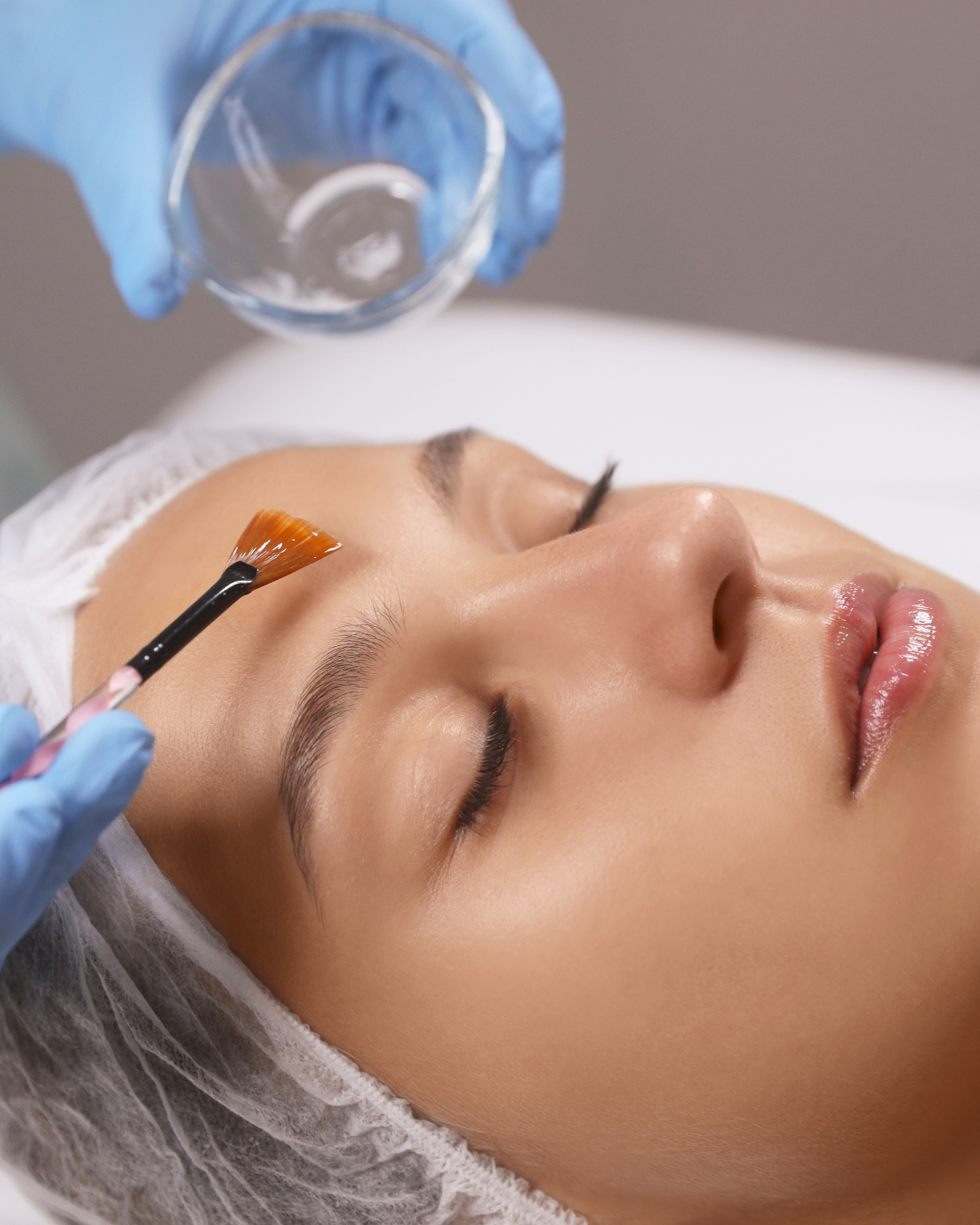
Inadequate Post-Peel Instructions
The peel is only part of the process — recovery matters just as much.
What Goes Wrong:
Not explaining expected peeling timeline
Failing to stress sun avoidance
Allowing clients to resume actives too soon
Why It Matters:
Improper aftercare can undo results or cause inflammation.
How to Avoid It:
Provide written aftercare instructions
Recommend appropriate barrier-support products
Schedule follow-up check-ins
Client education is a professional responsibility.
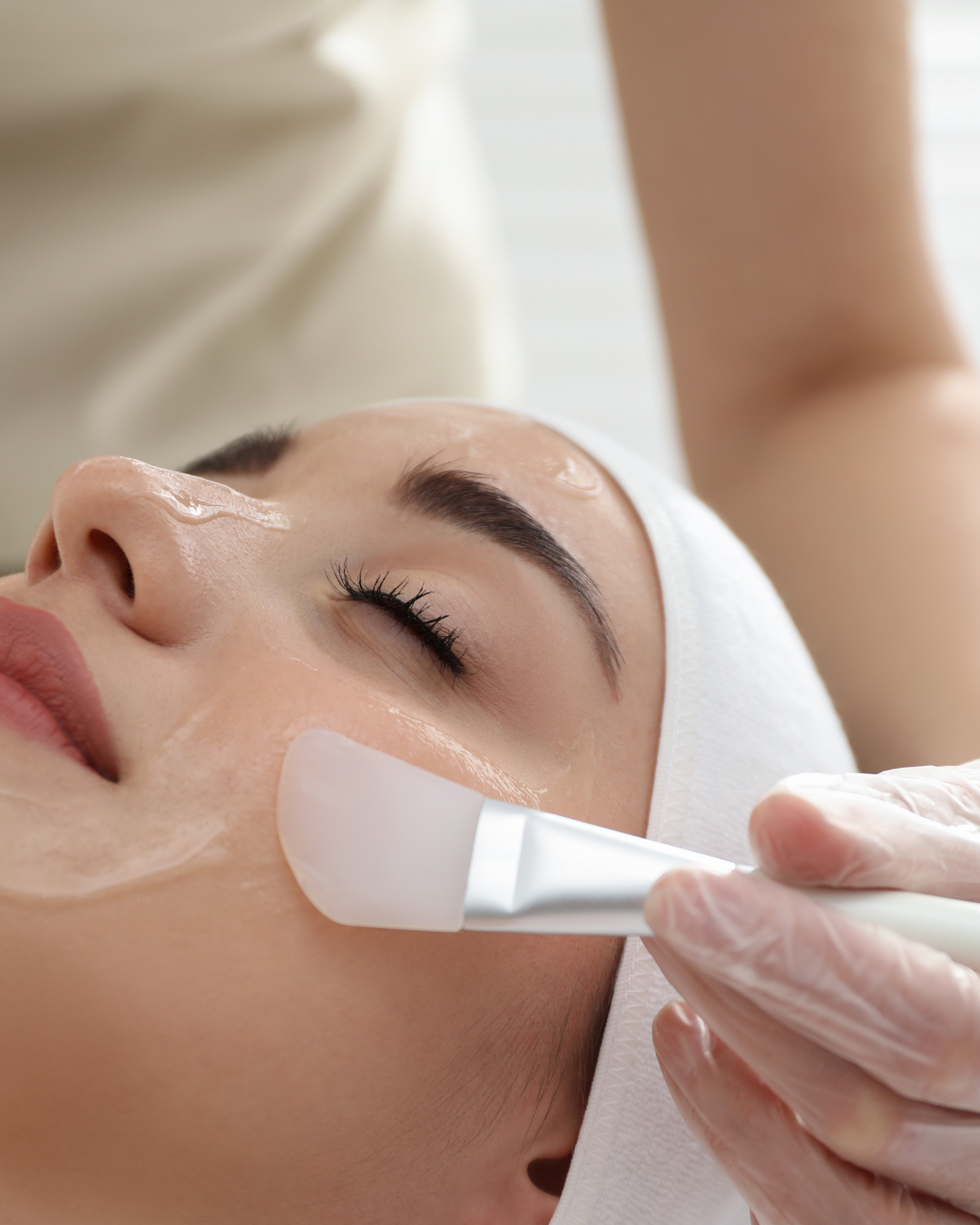
Performing Peels Too Frequently
Impatience is common among both clients and new providers.
What Goes Wrong:
Scheduling peels too close together
Not allowing full barrier recovery
Why It Matters:
Repeated trauma weakens the skin and increases sensitivity.
How to Avoid It:
Follow appropriate spacing guidelines
Evaluate skin condition before each session
Adjust frequency based on client response
Healthy skin progression is gradual.
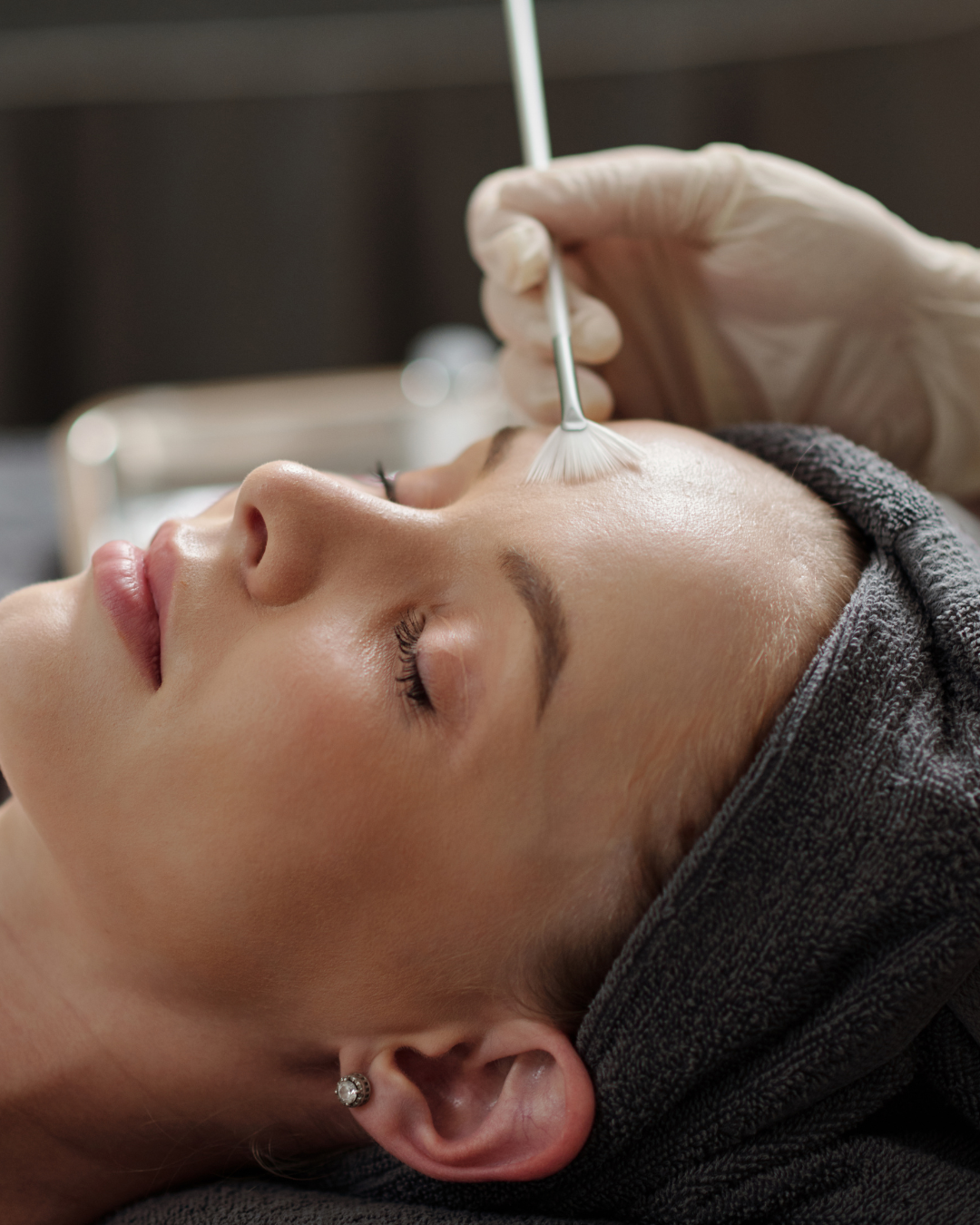
Working Outside Scope of Practice
In Colorado, scope of practice is regulated under the Department of Regulatory Agencies (DORA).
What Goes Wrong:
Attempting deeper peels without appropriate credentials
Ignoring regulatory boundaries
Why It Matters:
Operating beyond scope risks:
Client harm
Disciplinary action
License suspension
How to Avoid It:
Understand state regulations
Stay within superficial peel scope unless medically credentialed
Maintain proof of advanced training
Professional integrity protects your career.
Lack of Documentation
Proper documentation is often overlooked.
What Goes Wrong:
No before photos
Incomplete consent forms
No detailed treatment notes
Why It Matters:
Documentation protects you legally and improves treatment planning.
How to Avoid It:
Use structured consent forms
Record product details and timing
Photograph progress consistently
Good records reflect good professionalism.
Why Advanced Training Reduces Mistakes
High-quality chemical peel training teaches estheticians to:
Think clinically
Screen carefully
Progress conservatively
Customize treatments responsibly
Recognize early warning signs
Operate within Colorado scope-of-practice guidelines
Mistakes are most common when professionals rely on product reps or online tutorials instead of structured education.
Final Takeaway
Chemical peels can dramatically improve skin — but only when performed with proper training, conservative judgment, and regulatory awareness.
For new estheticians in Colorado, avoiding these common mistakes protects your clients, your confidence, and your professional reputation.
Elite Aesthetics Academy’s Chemical Peel Training Program in Denver emphasizes safety, complication prevention, hands-on practice, and legal compliance to ensure graduates deliver corrective results responsibly.
In advanced esthetics, expertise is what separates average providers from trusted specialists.
👉 Explore 600-hour esthetician license program in Denver
Start esthetics Training