Common Dermaplaning Mistakes New Estheticians Make (And How to Avoid Them)
Dermaplaning is often perceived as a simple exfoliation service — but in professional practice, it requires precision, anatomical knowledge, and disciplined technique.
For new estheticians in Colorado, dermaplaning mistakes can lead to client dissatisfaction, preventable irritation, or even regulatory issues if performed outside proper scope and sanitation standards.
This guide outlines the most common dermaplaning mistakes beginners make — and how structured, hands-on training helps prevent them.
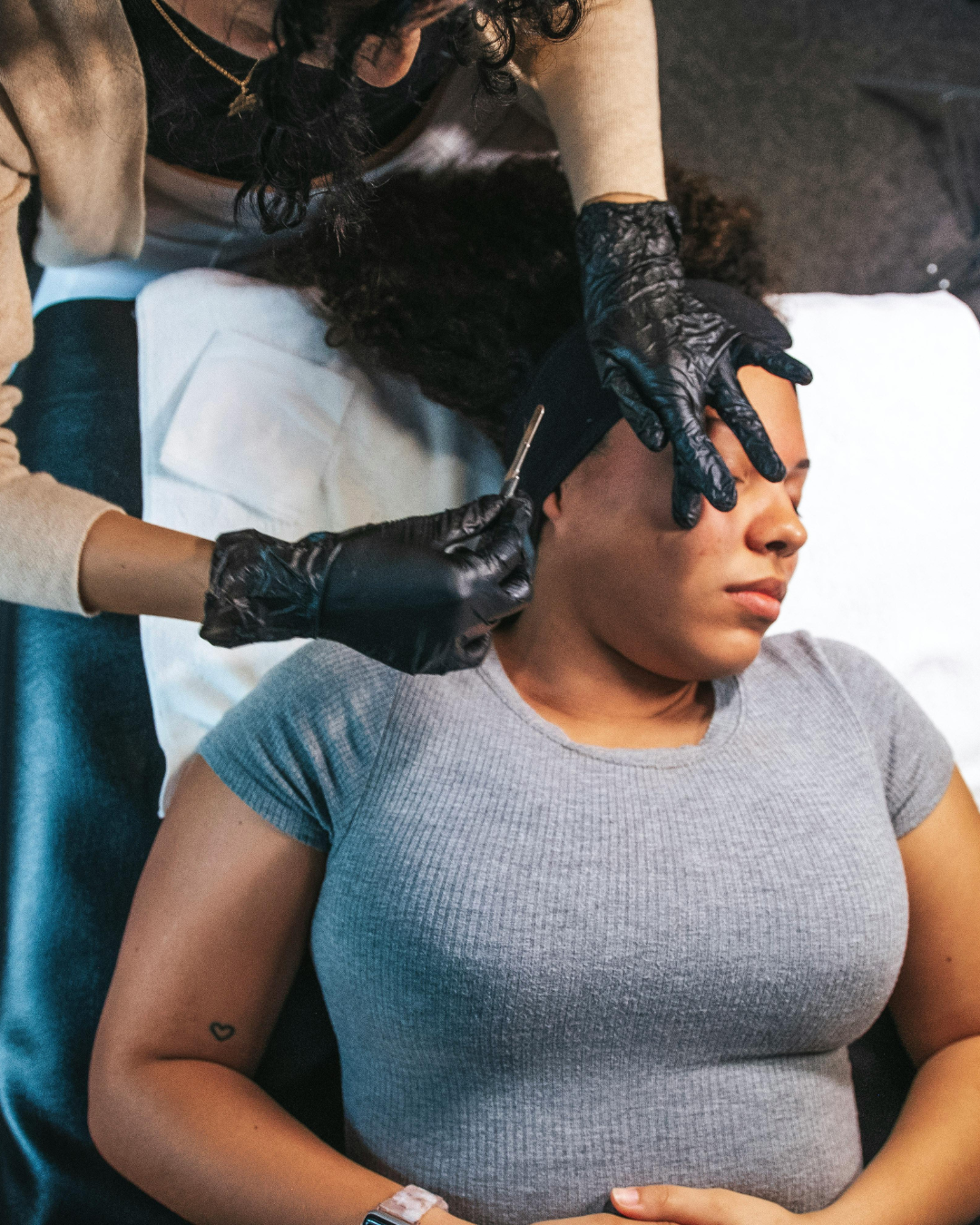
Using Incorrect Blade Angle
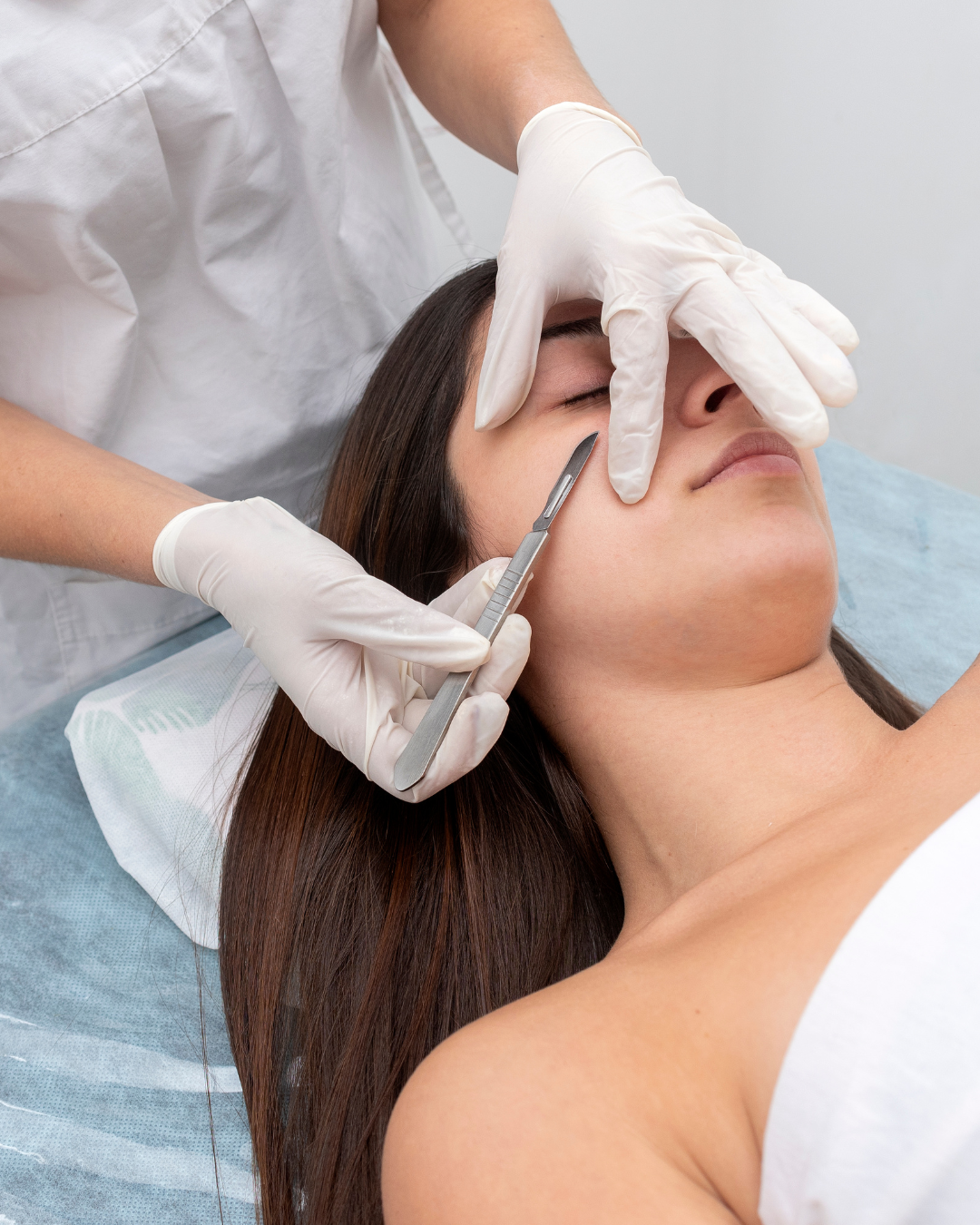
One of the most common beginner errors is improper blade positioning.
What Goes Wrong:
Holding the blade too flat against the skin
Holding the blade too upright
Inconsistent angle throughout the treatment
Why It Matters:
Incorrect angle increases risk of:
Surface nicks
Uneven exfoliation
Client discomfort
How to Avoid It:
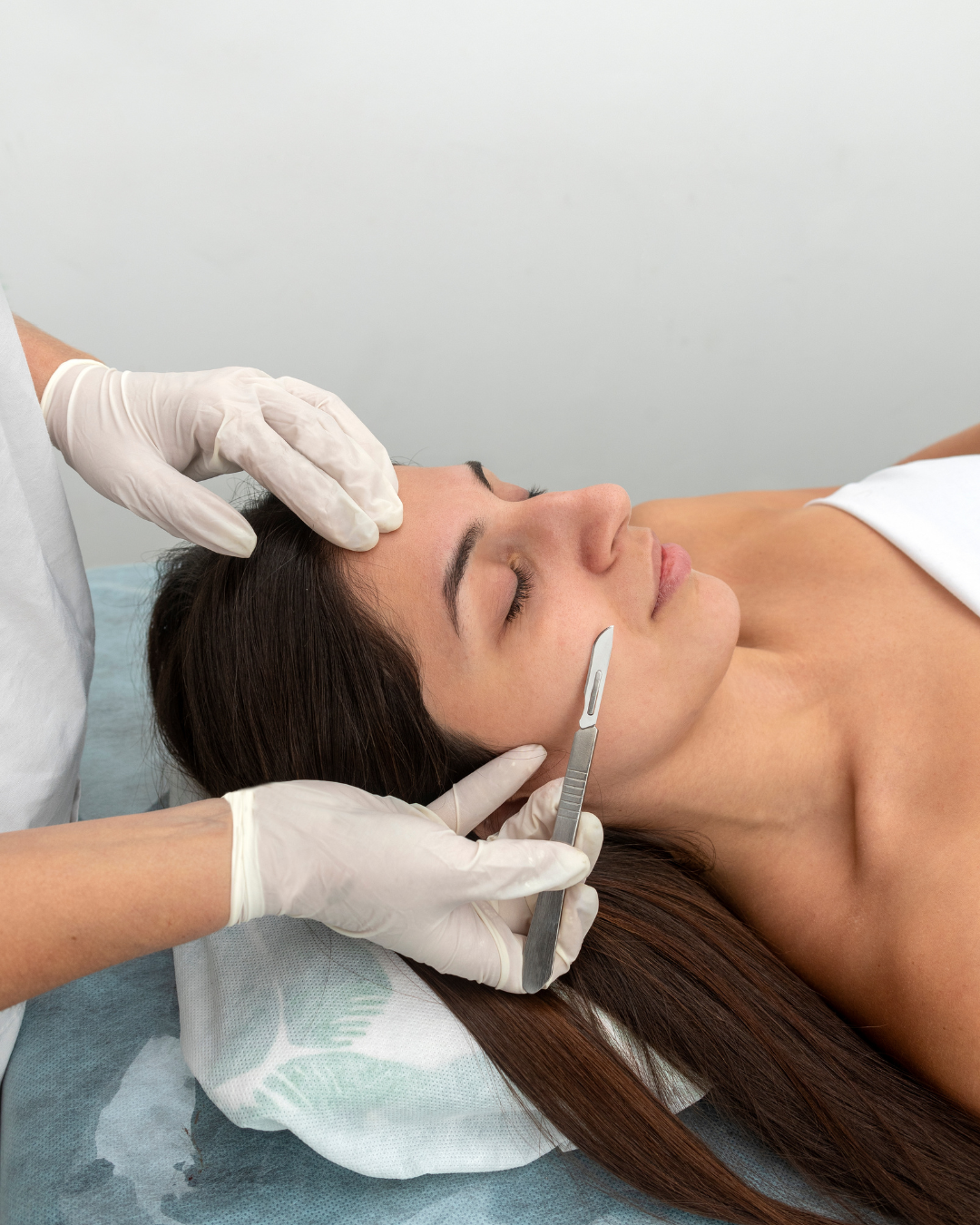
Maintain approximately a 45-degree angle
Practice consistent hand positioning
Receive instructor correction during live model training
Blade control improves only with supervised repetition.
Applying Excess Pressure
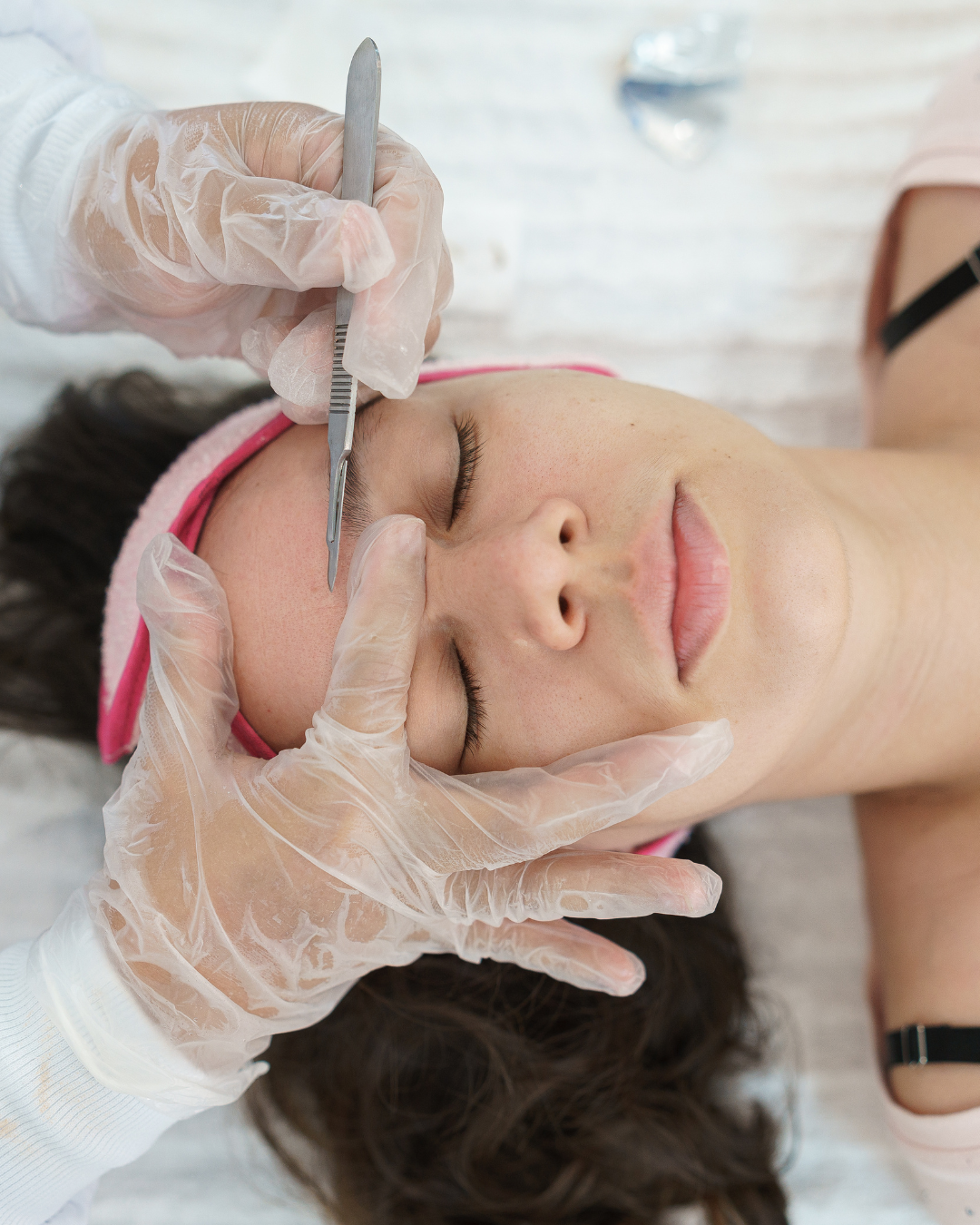
New professionals sometimes press too firmly in an attempt to "see more results."
What Goes Wrong:
Excess scraping pressure
Redness beyond expected response
Compromised barrier
Why It Matters:
Dermaplaning should remove dead skin — not traumatize living tissue.
How to Avoid It:
Use light, feathered strokes
Let the blade glide — not dig
Focus on technique, not force
Controlled exfoliation is always safer than aggressive scraping.
Failing to Properly Stretch the Skin
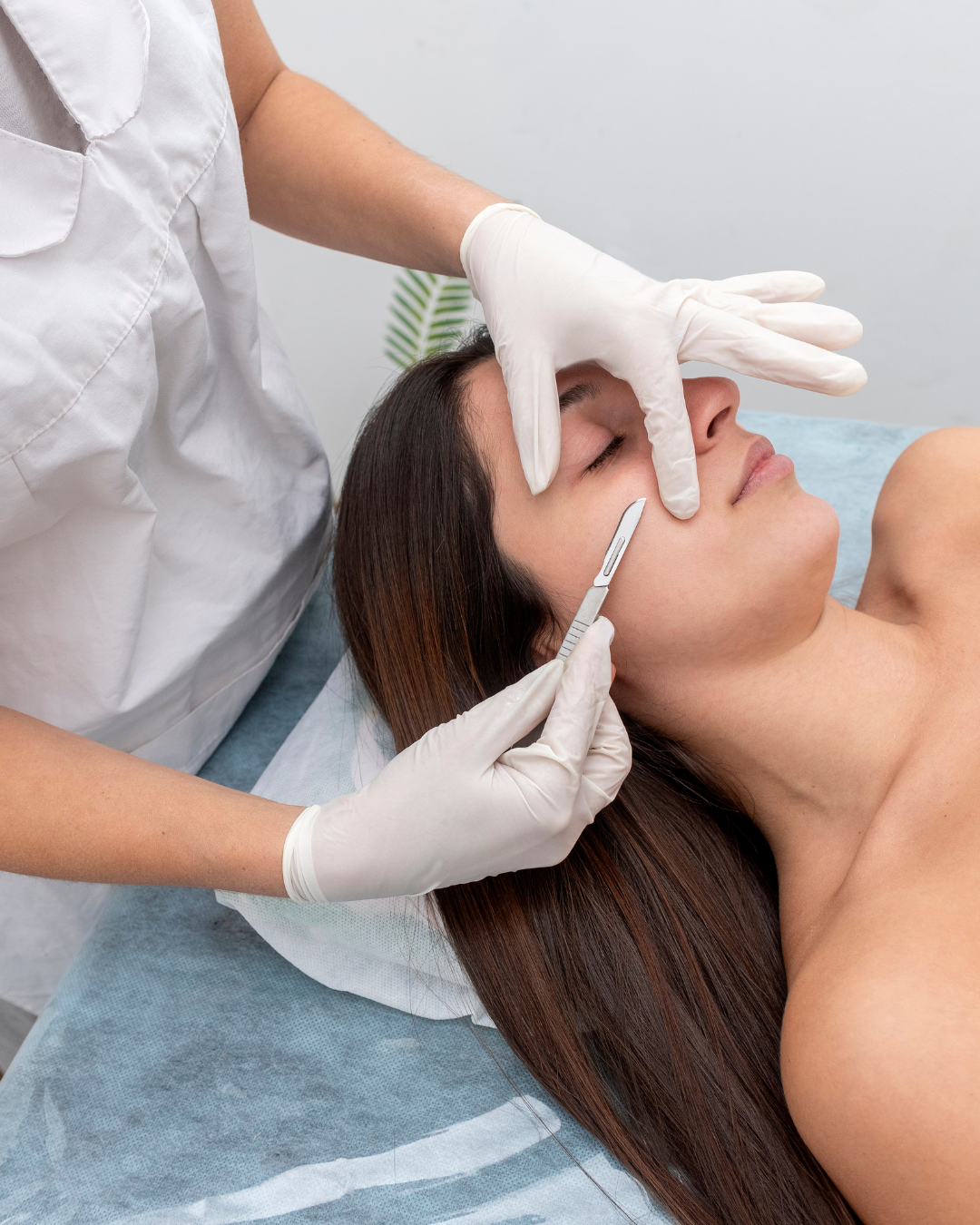
Skin tension is critical for safe dermaplaning.
What Goes Wrong:
Loose skin folds during strokes
Uneven blade contact
Increased risk of nicks
Why It Matters:
Without tension, the blade cannot move smoothly across the surface.
How to Avoid It:
Use your non-dominant hand to create firm, even tension
Reposition fingers frequently as you change facial zones
Avoid working over highly mobile areas without support
Skin tension stabilizes the treatment surface.
Treating Active Acne Lesions
Dermaplaning should not be performed over inflamed acne.
What Goes Wrong:
Spreading bacteria
Worsening inflammation
Increasing breakout severity
Why It Matters:
Blade contact over pustules can compromise sanitation and client outcomes.
How to Avoid It:
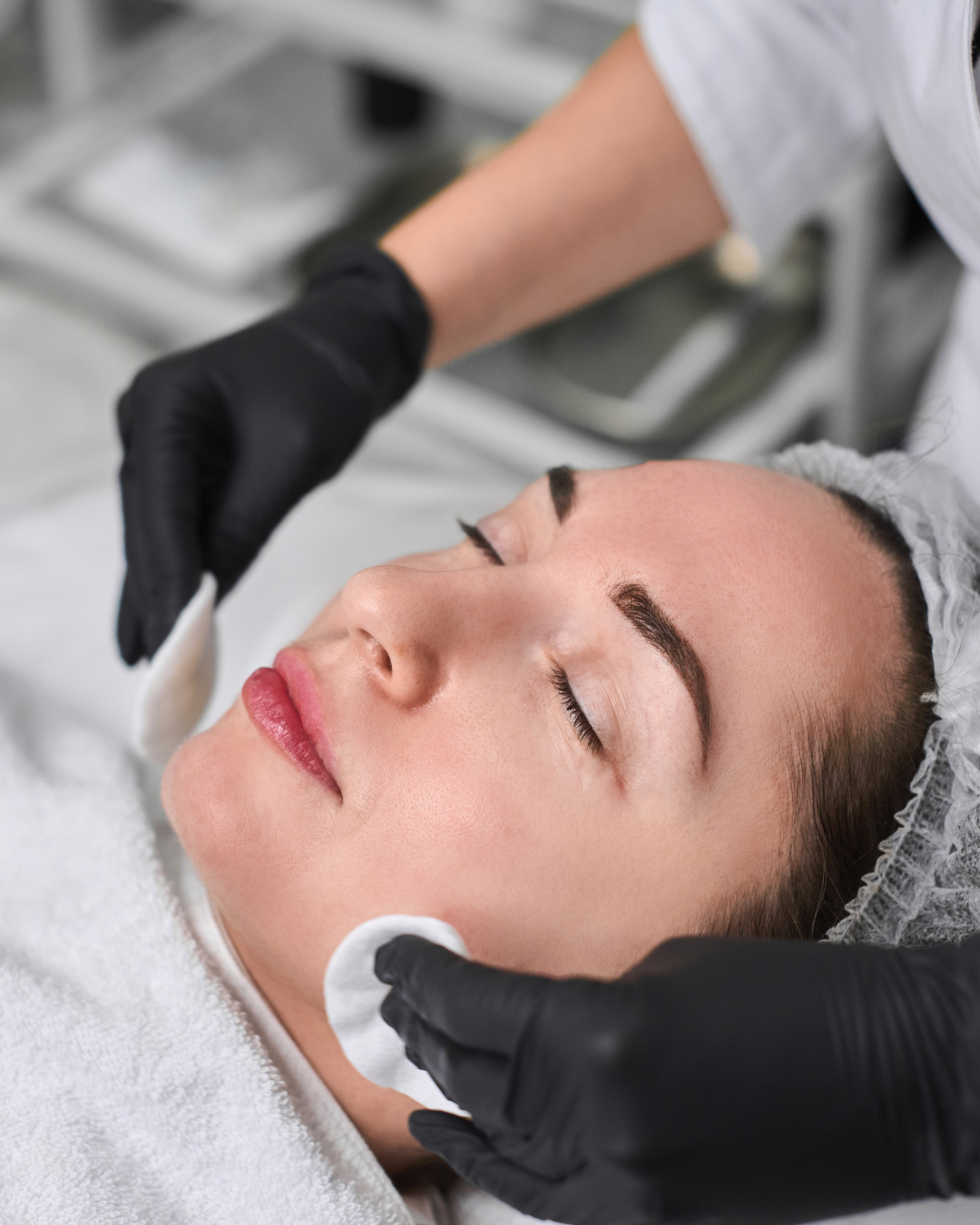
Screen thoroughly during consultation
Avoid inflamed lesions
Recommend alternative treatments for active acne
Client selection is as important as technique.
Ignoring Contraindications
New estheticians sometimes focus only on the treatment — not the full client history.
Commonly Missed Contraindications:
Recent isotretinoin use
Compromised barrier
Rosacea flare-ups
Recent chemical peels or laser treatments
Why It Matters:
Treating sensitized skin increases irritation and complication risk.
How to Avoid It:
Use detailed consultation forms
Ask about recent procedures
Document everything
Screen first. Treat second.
Poor Infection Control Practices
Because dermaplaning uses a surgical-grade blade, sanitation is non-negotiable.
What Goes Wrong:
Reusing blades
Improper sharps disposal
Inadequate surface disinfection
Why It Matters:
Cross-contamination can cause infection and legal liability.
How to Avoid It:
Use sterile, single-use blades only
Dispose of blades in approved sharps containers
Follow Colorado sanitation standards
Strict infection control protects your clients and your license.
Over-Treating the Same Area
Repeated passes over the same zone can compromise the skin barrier.
What Goes Wrong:
Over-exfoliation
Persistent redness
Increased sensitivity
Why It Matters:
More passes do not equal better results.
How to Avoid It:
Limit strokes per area
Observe skin response carefully
Avoid layering additional aggressive exfoliation without training
Conservative progression builds long-term client trust.
Working Outside Scope of Practice
In Colorado, esthetics services are regulated by the Department of Regulatory Agencies (DORA).
What Goes Wrong:
Attempting medical-level procedures
Misrepresenting credentials
Why It Matters:
Operating outside scope risks disciplinary action and legal consequences.
How to Avoid It:
Understand Colorado scope-of-practice guidelines
Stay within cosmetic exfoliation boundaries
Maintain proof of training and licensure
Professional integrity protects your career.
Why Structured Dermaplane Training Reduces Mistakes
High-quality dermaplane certification teaches estheticians to:
Master blade angle and pressure control
Screen clients properly
Follow strict sanitation protocols
Combine treatments conservatively
Recognize early warning signs
Operate within Colorado regulatory standards
Mistakes most often occur when professionals rely on online tutorials rather than hands-on instruction.

Final Takeaway
Dermaplaning may look simple — but precision, screening, and sanitation separate professionals from amateurs.
For new estheticians in Colorado, avoiding these common mistakes protects client safety, improves retention, and strengthens professional credibility.
Elite Aesthetics Academy’s Dermaplane Training Program in Denver emphasizes hands-on blade control, complication prevention, and regulatory compliance so graduates practice confidently and responsibly.
In advanced esthetics, technique builds trust — and trust builds careers.
👉 Explore 600-hour esthetician license program in Denver
Start esthetics Training