Common Microdermabrasion Mistakes New Estheticians Make (And How to Avoid Them)
Microdermabrasion is often introduced early in advanced esthetics training because it is considered a non-invasive, device-based exfoliation treatment. However, new estheticians frequently underestimate how technique, suction control, and client screening directly impact safety and results.
For professionals practicing in Colorado, avoiding common microdermabrasion mistakes is essential for protecting client outcomes, maintaining DORA compliance, and building long-term credibility.
This guide outlines the most common beginner errors — and how structured training prevents them.
Using Suction That Is Too High
One of the most common mistakes is turning the suction setting too high in an attempt to create "stronger" results.
What Goes Wrong:
Excessive redness
Petechiae (small broken capillaries)
Client discomfort
Barrier disruption
Why It Matters:
Higher suction does not equal better exfoliation. It increases inflammation risk.
How to Avoid It:
Start with conservative suction settings
Adjust gradually based on skin response
Reduce suction over delicate areas (cheeks, under-eyes)
Device control requires restraint, not force.
Holding the Handpiece in One Spot Too Long
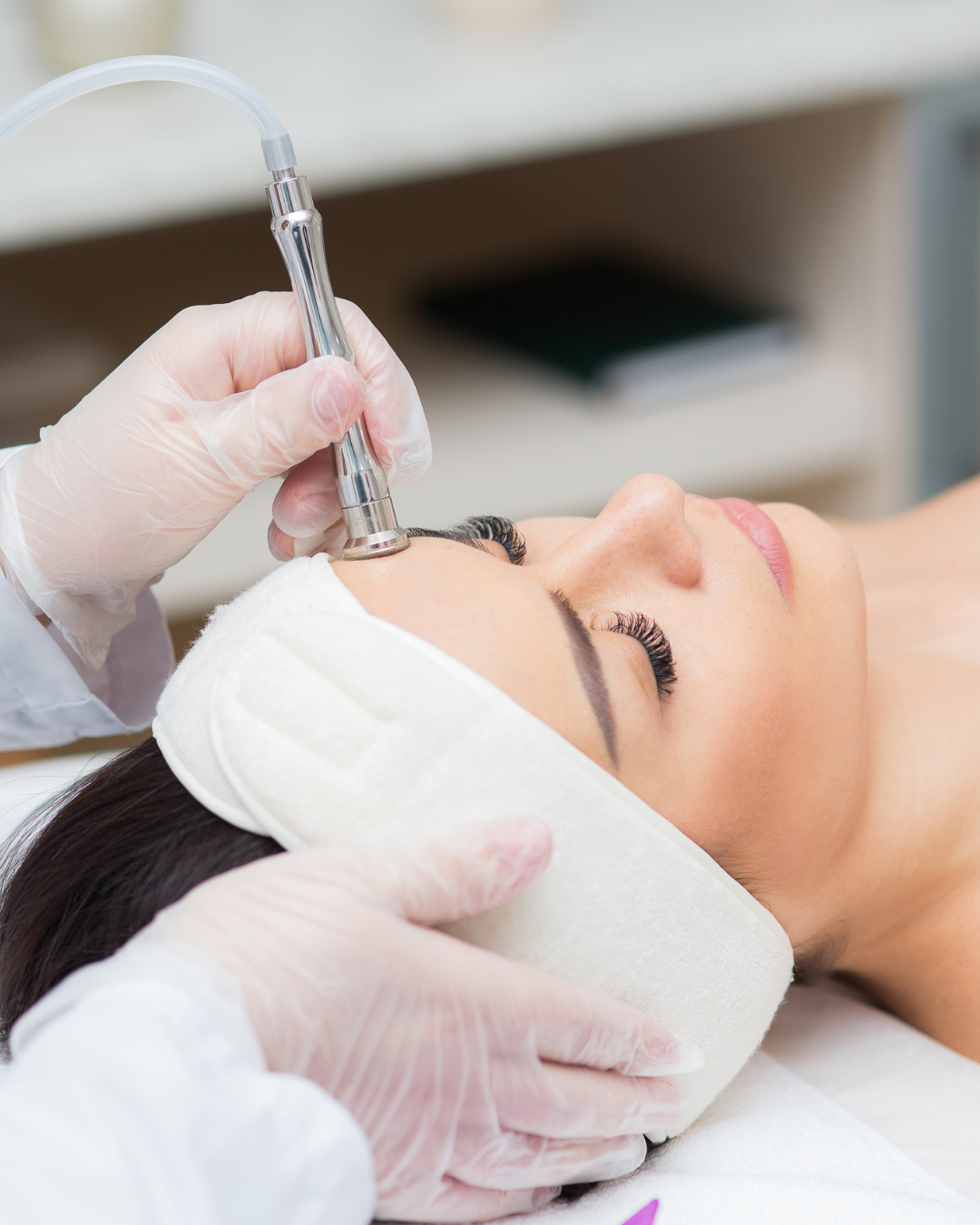
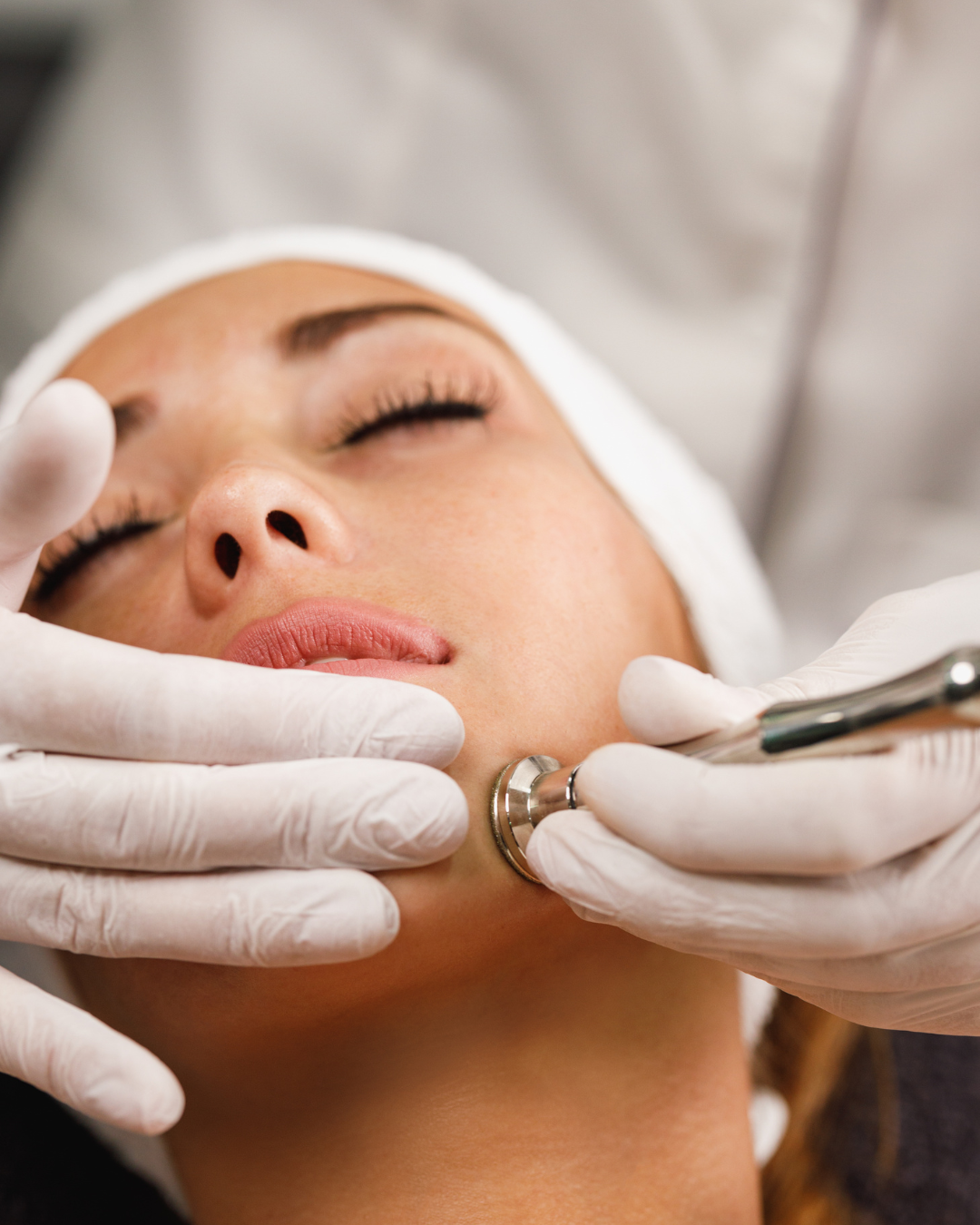
Microdermabrasion requires continuous motion.
What Goes Wrong:
Circular bruising marks
Capillary damage
Uneven exfoliation
Why It Matters:
Stationary suction increases pressure on the skin and may cause petechiae.
How to Avoid It:
Keep the handpiece moving at a steady pace
Use controlled, even strokes
Avoid overlapping excessively
Consistent motion protects skin integrity.
Overlapping Too Many Passes
New estheticians may perform excessive passes over the same area.
What Goes Wrong:
Over-exfoliation
Persistent sensitivity
Delayed barrier recovery
Why It Matters:
More passes do not improve results — they increase irritation risk.
How to Avoid It:
Limit the number of passes per facial zone
Evaluate skin response before repeating
Avoid aggressive layering with other exfoliants
Gradual progression leads to healthier outcomes.
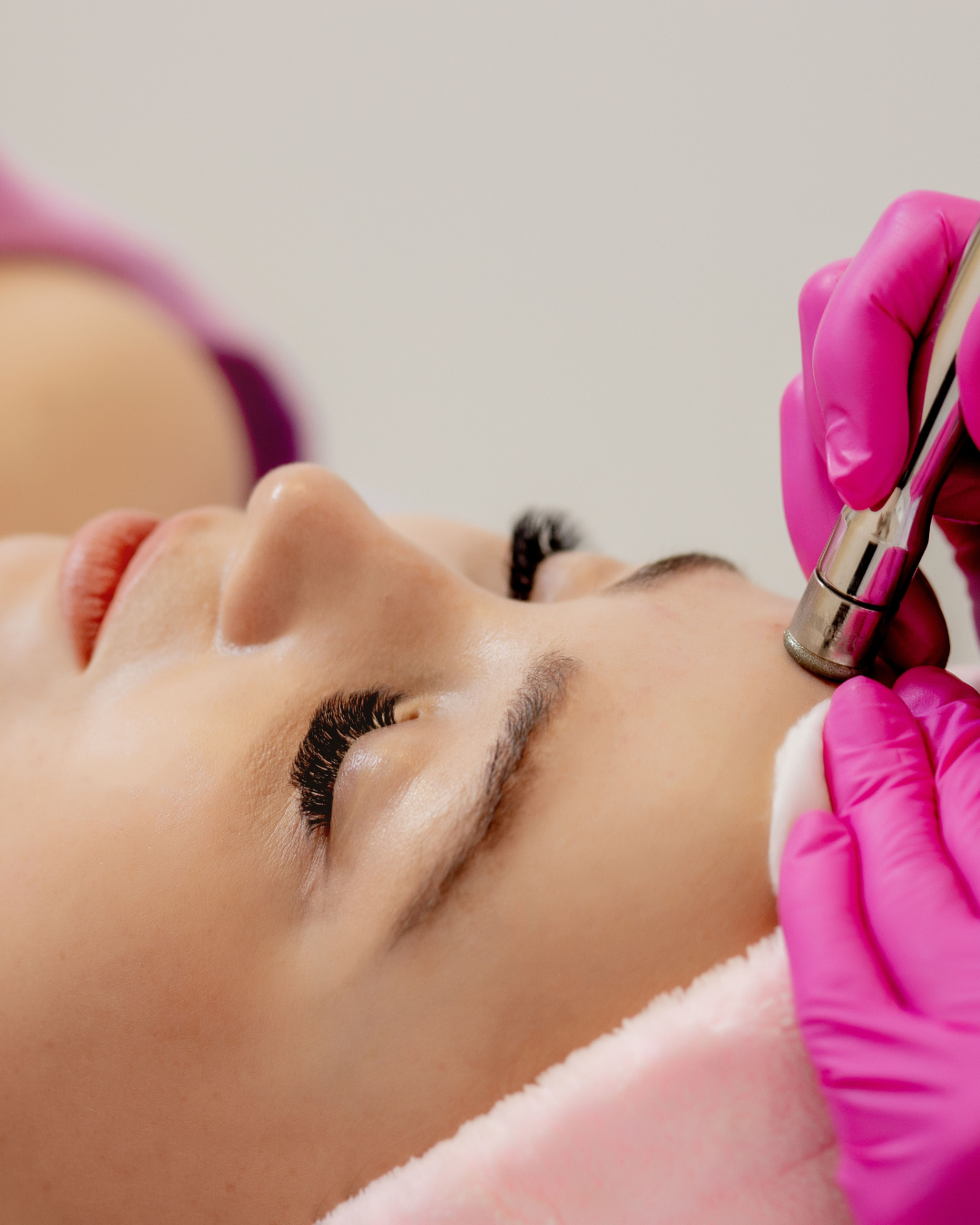
Failing to Screen for Contraindications
Treatment planning begins before turning on the device.
Commonly Missed Contraindications:
Active acne inflammation
Rosacea flare-ups
Recent chemical peels or laser treatments
Compromised skin barrier
Recent isotretinoin use
Why It Matters:
Treating sensitized or inflamed skin increases the risk.
How to Avoid It:
Conduct thorough consultations
Review recent procedures
Document client history carefully
Screen first. Treat second.
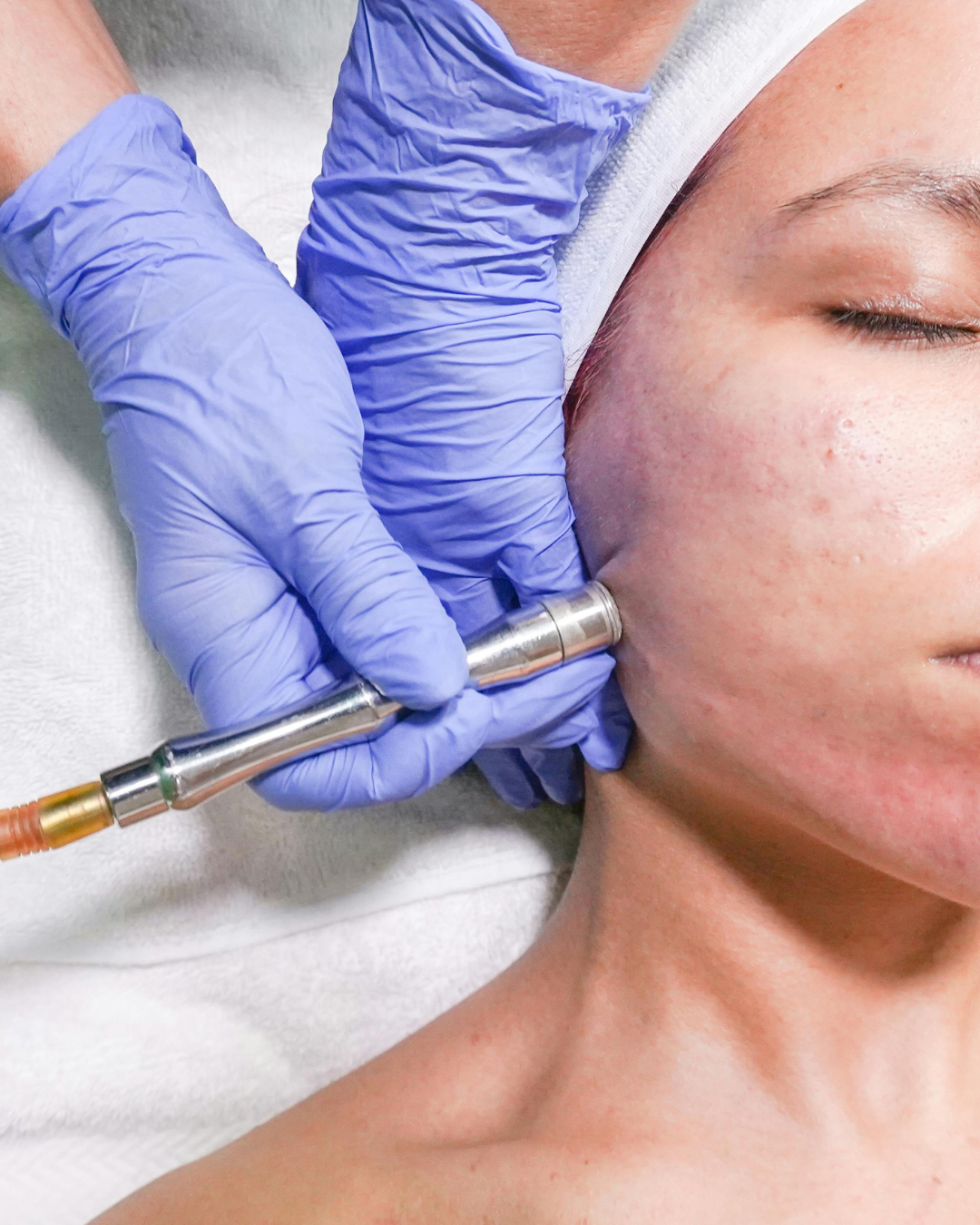
Ignoring Fitzpatrick Skin Type
Inflammation affects different skin tones differently.
What Goes Wrong:
Excess redness in sensitive skin
Post-inflammatory hyperpigmentation in higher Fitzpatrick types
Why It Matters:
Over-treatment in melanin-rich skin can trigger pigmentation concerns.
How to Avoid It:
Assess Fitzpatrick type accurately
Use conservative suction and fewer passes
Emphasize strict SPF compliance
Customization is key to safe exfoliation.
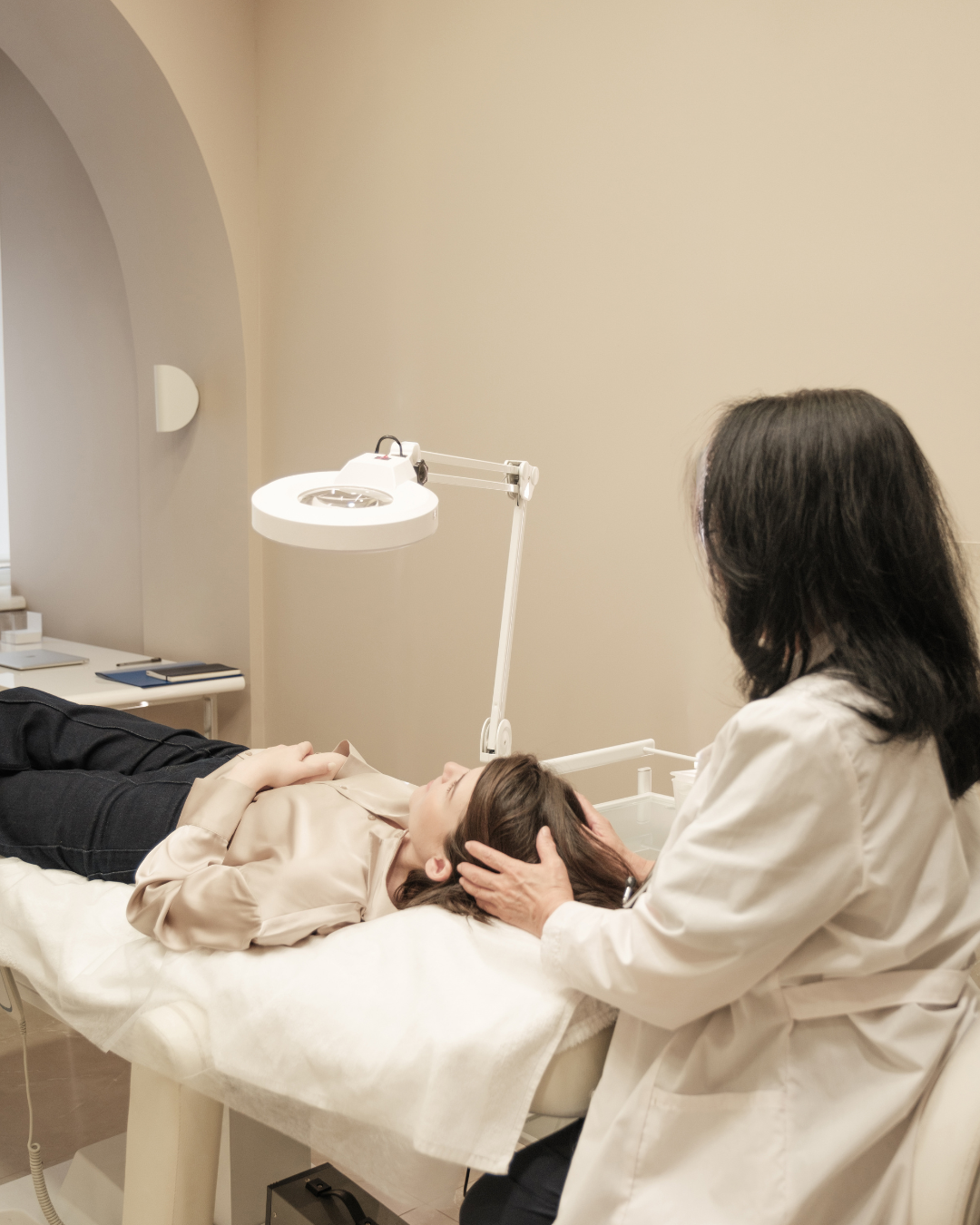
Poor Sanitation Practices
Microdermabrasion devices require strict cleaning and disinfection protocols.
What Goes Wrong:
Inadequate disinfection of reusable tips
Improper filter maintenance
Cross-contamination risk
Why It Matters:
Sanitation lapses increase infection risk and violate Colorado regulations.
How to Avoid It:
Follow manufacturer cleaning guidelines
Disinfect reusable components thoroughly
Replace filters as recommended
Maintain documentation of sanitation procedures
Sanitation protects both clients and your license.
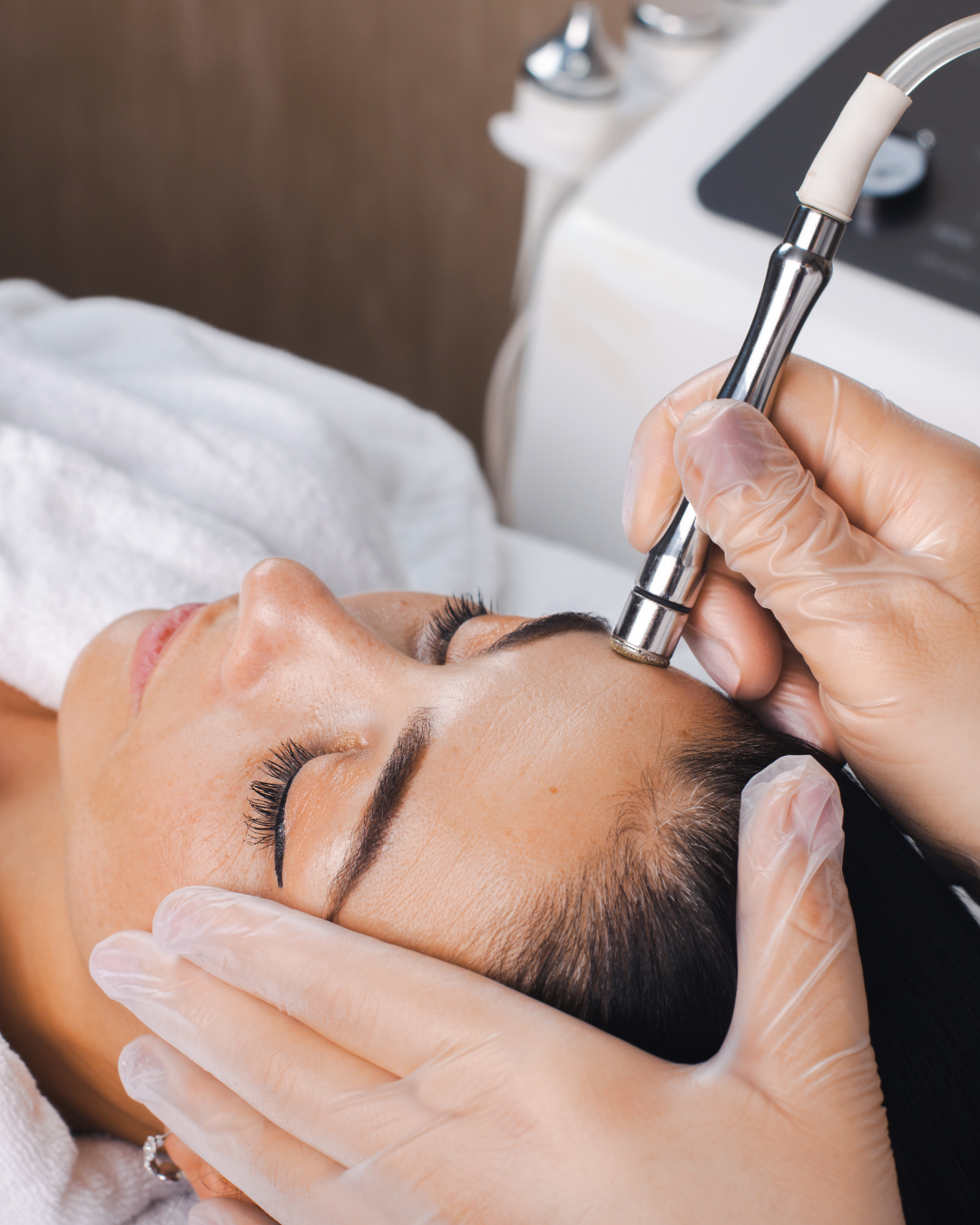
Treating Too Frequently
Some beginners schedule microdermabrasion too close together.
What Goes Wrong:
Barrier compromise
Increased sensitivity
Client irritation complaints
Why It Matters:
Skin needs time to regenerate between treatments.
How to Avoid It:
Follow appropriate spacing guidelines (typically 2–4 weeks)
Adjust frequency based on skin condition
Avoid stacking exfoliation treatments too closely
Healthy skin progression is gradual.
Working Outside Colorado Scope of Practice
In Colorado, microdermabrasion falls under manual resurfacing exfoliation and requires additional training beyond basic licensure.
What Goes Wrong:
Performing treatments without required training documentation
Attempting deeper resurfacing beyond cosmetic scope
Why It Matters:
Operating outside scope can lead to disciplinary action by DORA.
How to Avoid It:
Complete required manual resurfacing training
Maintain documentation
Ensure treatments remain superficial and cosmetic
Professional compliance builds long-term career security.

Why Structured Microdermabrasion Training Reduces Mistakes
High-quality training teaches estheticians to:
Control suction safely
Customize protocols by skin type
Screen for contraindications
Follow sanitation standards
Recognize early warning signs
Operate within Colorado regulatory requirements
Mistakes most often occur when professionals rely solely on device demonstrations rather than structured education.
Final Takeaway
Microdermabrasion is a valuable, versatile treatment — but safe results require proper technique, conservative settings, and regulatory awareness.
For new estheticians in Colorado, avoiding these common mistakes protects client safety, improves rebooking rates, and strengthens professional reputation.
Elite Aesthetics Academy’s Microdermabrasion Training Program in Denver emphasizes hands-on device control, complication prevention, and full DORA compliance to ensure graduates practice confidently and responsibly.
In advanced esthetics, precision builds trust — and trust builds careers.
👉 Explore 600-hour esthetician license program in Denver
Start esthetics Training