Common Mistakes New Permanent Makeup Artists Make (And How to Avoid Them)
Starting a career in permanent makeup (PMU) is exciting — but it is also highly technical and detail-driven. Because cosmetic tattooing involves implanting pigment into the skin, small errors in depth, design, or sanitation can significantly impact healed results.
For new permanent makeup artists in Colorado, avoiding early mistakes is critical for building a strong portfolio, maintaining compliance, and protecting your reputation.
Here are the most common mistakes new PMU artists make — and how proper training helps prevent them.

Poor Depth Control
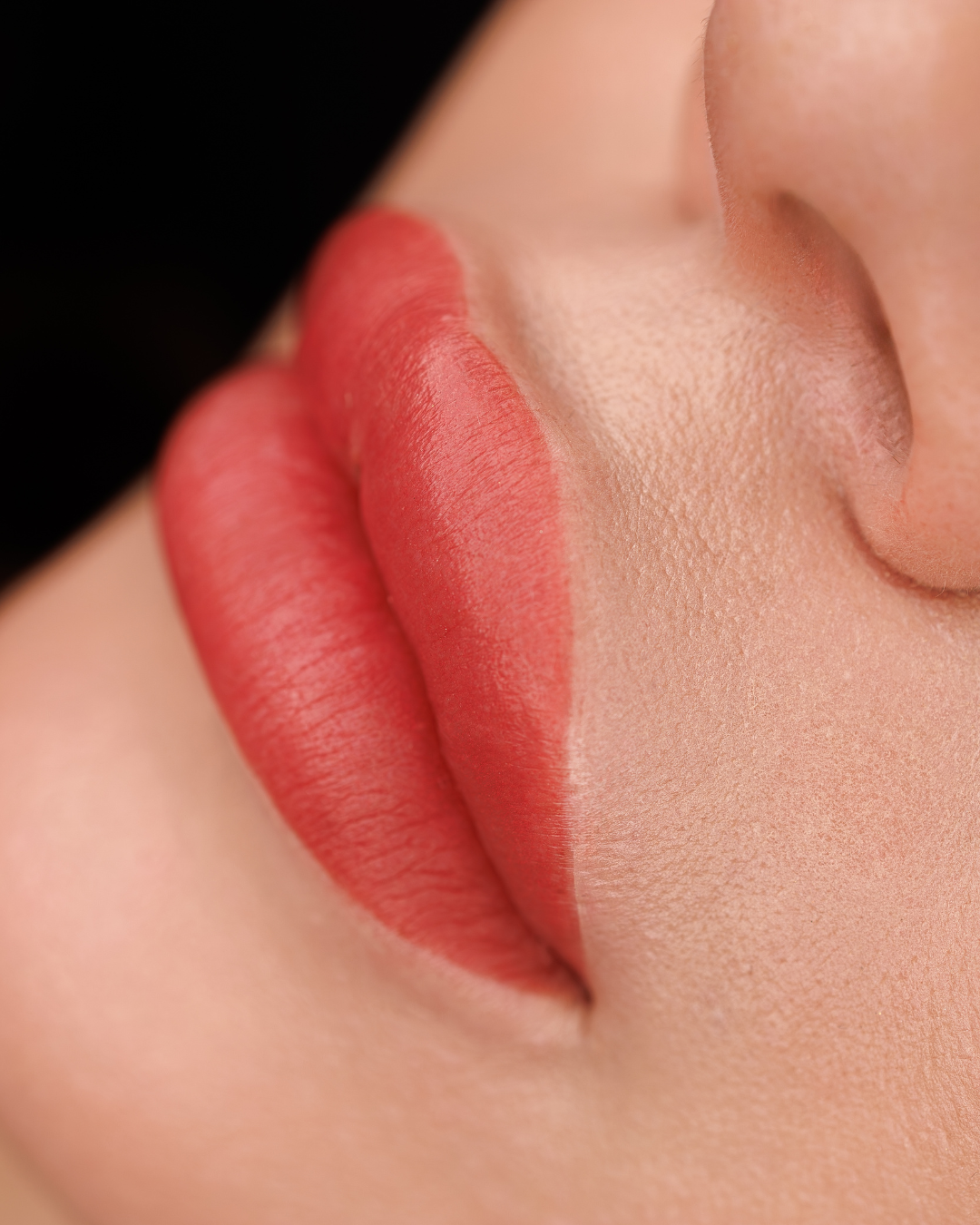
One of the most common beginner mistakes is implanting pigment too deep or too shallow.
Going Too Deep Can Cause:
Blurred or blown-out strokes
Excessive trauma to the skin
Scarring
Ashy or discolored healed results
Going Too Shallow Can Cause:
Poor retention
Patchy healing
Rapid fading
How to Avoid It
Practice extensively on latex before live models
Focus on hand pressure consistency
Learn proper skin stretch technique
Train under supervision before working independently
Depth control improves with repetition and structured feedback.
Inaccurate Brow Mapping
Symmetry and facial harmony are foundational in permanent makeup.
New artists may:
Rely on freehand drawing without measurement
Ignore facial muscle movement
Over-extend brow tails
Create overly thick or unnatural shapes
How to Avoid It
Use mapping tools consistently
Measure multiple reference points
Consider bone structure and face shape
Confirm design with the client before starting
Strong mapping skills separate amateur work from professional results.
Ignoring Skin Type Differences
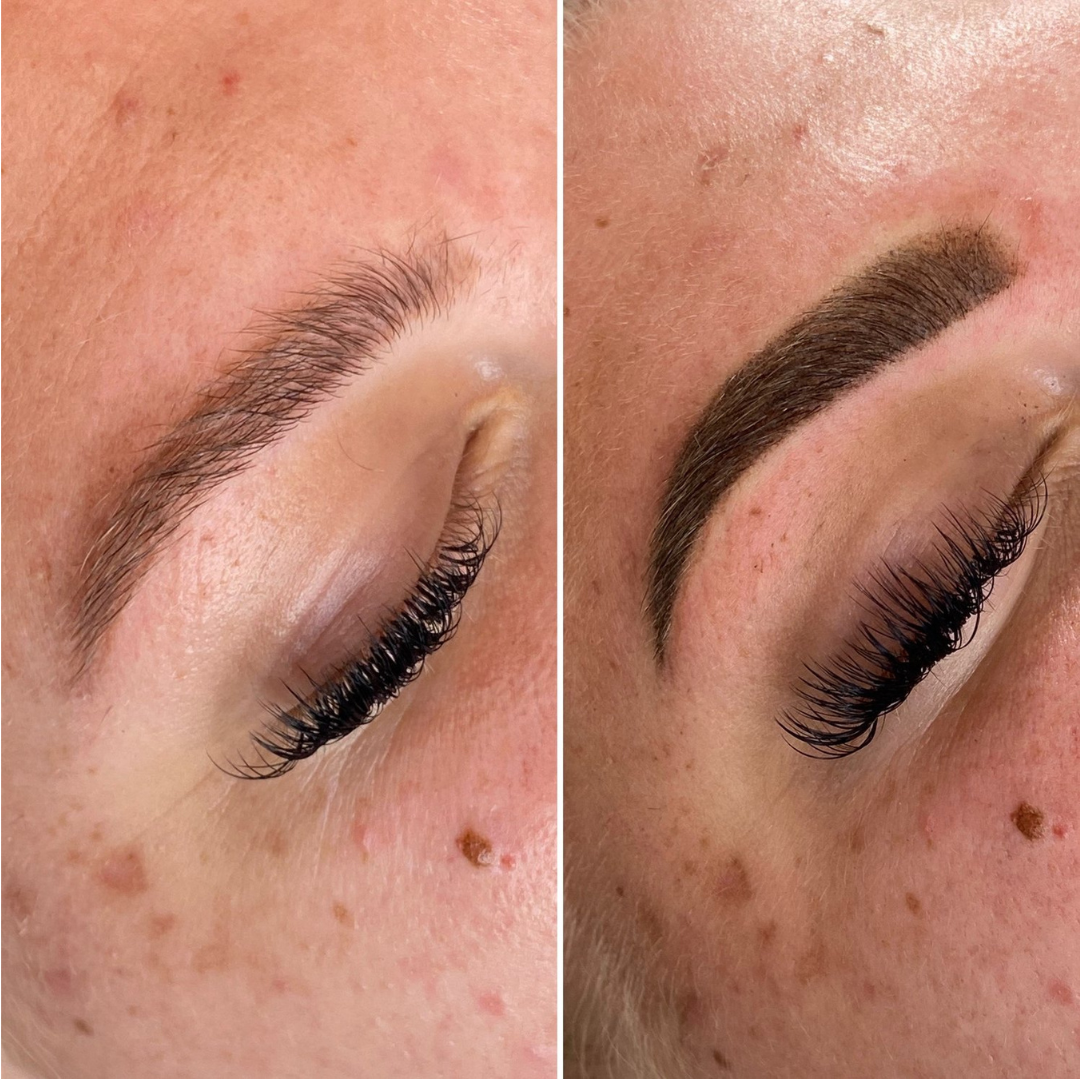
Not all skin types respond the same way to PMU.
Common mistakes include:
Performing microblading on very oily skin
Using the same technique on mature skin
Not adjusting machine speed or needle configuration
How to Avoid It
Assess skin type during consultation
Understand when machine shading may be more appropriate
Adjust technique based on skin condition
Customized technique leads to better retention and happier clients.
Poor Color Theory Application
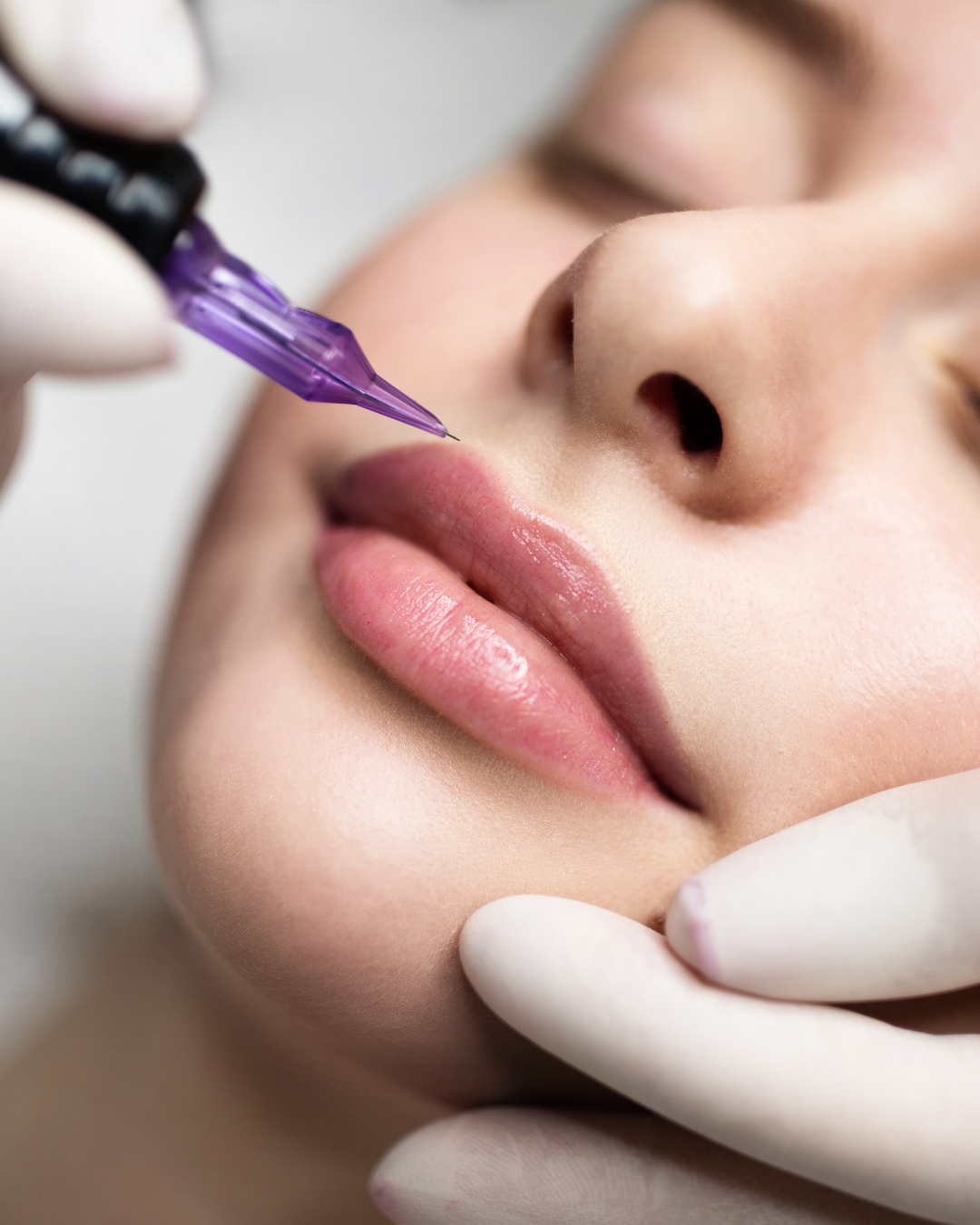
Color mistakes can result in:
Red, gray, or blue healed brows
Over-saturation
Inconsistent undertones
New artists sometimes choose pigment based only on hair color rather than skin undertone.
How to Avoid It
Learn undertone analysis
Understand warm vs cool pigment modifiers
Avoid over-darkening in first sessions
Study healed results before adjusting formulas
Color theory is one of the most overlooked but essential PMU skills.
Overworking the Skin
Overworking occurs when artists repeatedly pass over the same area, causing:
Excessive trauma
Swelling
Scabbing
Poor retention
How to Avoid It
Use controlled passes
Allow skin to rest during the procedure
Monitor skin response closely
Avoid chasing perfection during the first session
Healing is just as important as immediate appearance.
Inadequate Sanitation Practices
Permanent makeup is regulated as body art in Colorado and falls under DORA oversight and CCR standards.
Sanitation errors may include:
Improper glove changes
Inconsistent barrier protection
Poor sharps disposal
Cross-contamination risks
How to Avoid It
Follow strict bloodborne pathogen protocols
Set up sterile workstations
Maintain sanitation logs
Stay current with regulatory requirements
Safety violations can damage both your career and your clients’ health.
Failing to Educate Clients Properly
Clients often misunderstand:
Healing timelines
Color softening
Touch-up necessity
Aftercare importance
Poor communication can lead to dissatisfaction even when results are technically correct.
How to Avoid It
Provide written aftercare instructions
Explain realistic expectations
Discuss swelling and color changes during healing
Schedule touch-ups appropriately
Clear communication protects your reputation.
Underpricing Services Too Early
New artists sometimes drastically underprice services to attract clients.
While introductory pricing can help build a portfolio, chronic underpricing can:
Undermine perceived value
Attract price-driven clients
Limit business sustainability
How to Avoid It
Understand your cost structure
Gradually increase pricing as skill improves
Focus on portfolio quality over volume
Skill-based pricing supports long-term growth..
Skipping Continued Education
Permanent makeup trends evolve quickly.
Artists who stop learning early may:
Fall behind industry standards
Struggle with corrections
Miss advanced income opportunities
How to Avoid It
Attend advanced workshops
Study healed correction cases
Learn removal and correction strategies
Seek mentorship
Long-term success requires continuous skill development.
Why Comprehensive Training Matters
Many early-career mistakes trace back to inadequate training.
Strong PMU programs should include:
Hands-on live model practice
In-depth color theory
Supervised depth correction
Sanitation education aligned with Colorado regulations
Portfolio development guidance
Education quality directly impacts confidence and healed results.

Final Takeaway
Every permanent makeup artist begins as a beginner. Mistakes often result from lack of structured practice, limited supervision, or rushed training.
By investing in comprehensive education, focusing on safety, and committing to ongoing improvement, new PMU artists in Colorado can build strong portfolios and sustainable careers.
Elite Aesthetics Academy’s Permanent Makeup Training Program in Denver emphasizes hands-on instruction, regulatory compliance education, and real-world preparation to help students avoid common early-career mistakes.
Your reputation in permanent makeup begins with the foundation you build in training.
👉 Explore permanent makeup Training in Denver

Start permanent makeup Training