Day in the Life of a Medical Esthetician
If you’re considering advanced esthetician training, you may be wondering what working in a clinical environment actually looks like.
A medical esthetician blends advanced skincare knowledge with structured, results-driven protocols in medically integrated settings. In Colorado — particularly in the Denver metro area — medical estheticians work alongside injectors, laser technicians, and medical providers to support corrective skin treatments and long-term patient care.
Here’s a realistic look at a day in the life of a medical esthetician.
Morning: Clinical Preparation
Most medical estheticians begin their day reviewing schedules and preparing treatment rooms.
Morning responsibilities often include:
Reviewing patient charts and treatment plans
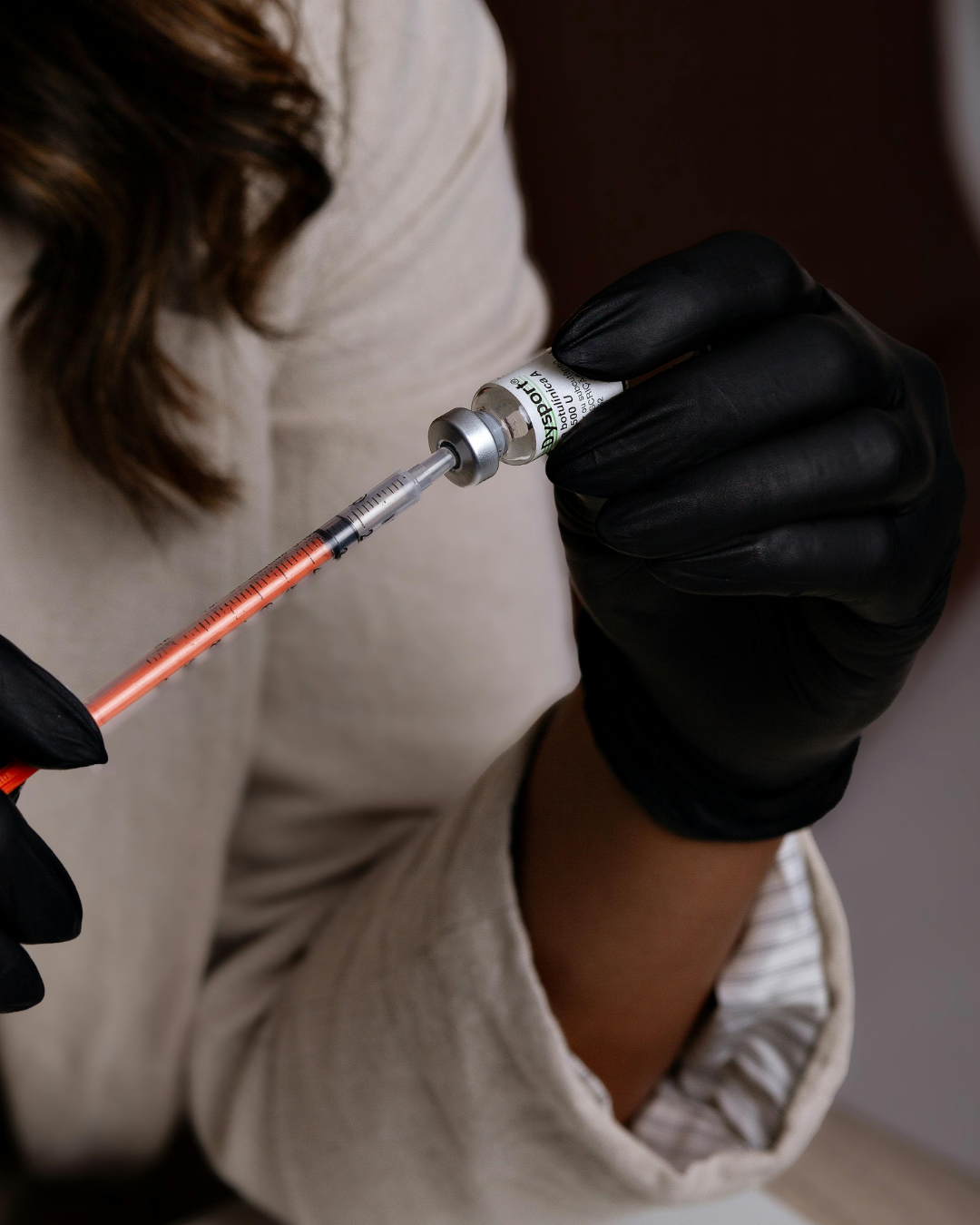
Preparing medical-grade skincare products
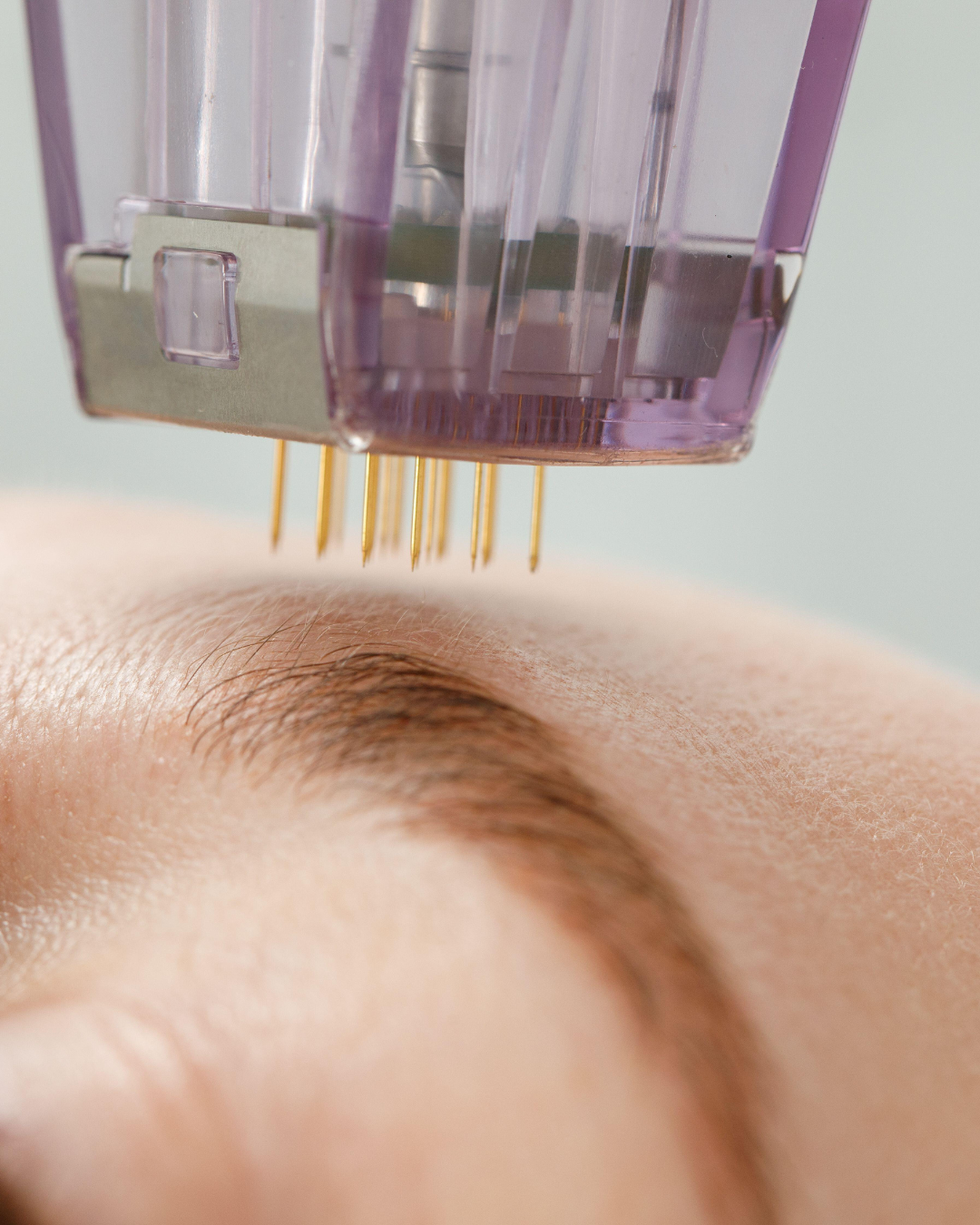
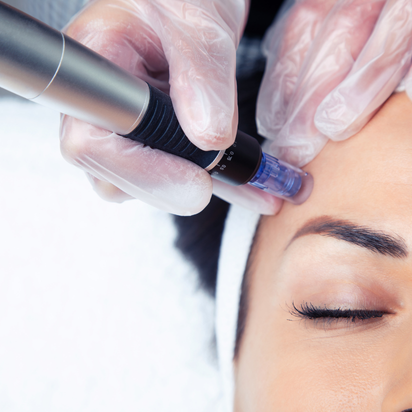
Setting up devices for advanced facials or microneedling (within scope)
Confirming consent forms and documentation
Sanitizing equipment and treatment areas
Unlike spa environments, clinical settings require detailed documentation and strict sanitation protocols.
Patient Consultations and Skin Assessments
Medical estheticians frequently begin appointments with thorough consultations.
During assessments, they may:
Evaluate skin type and current condition
Discuss acne history or pigmentation concerns
Review previous treatments (laser, injectables, peels)
Identify contraindications
Develop phased treatment plans
Consultations are structured and results-oriented, focusing on long-term skin correction rather than one-time relaxation services.
Performing Advanced Treatments
Throughout the day, medical estheticians perform treatments such as:
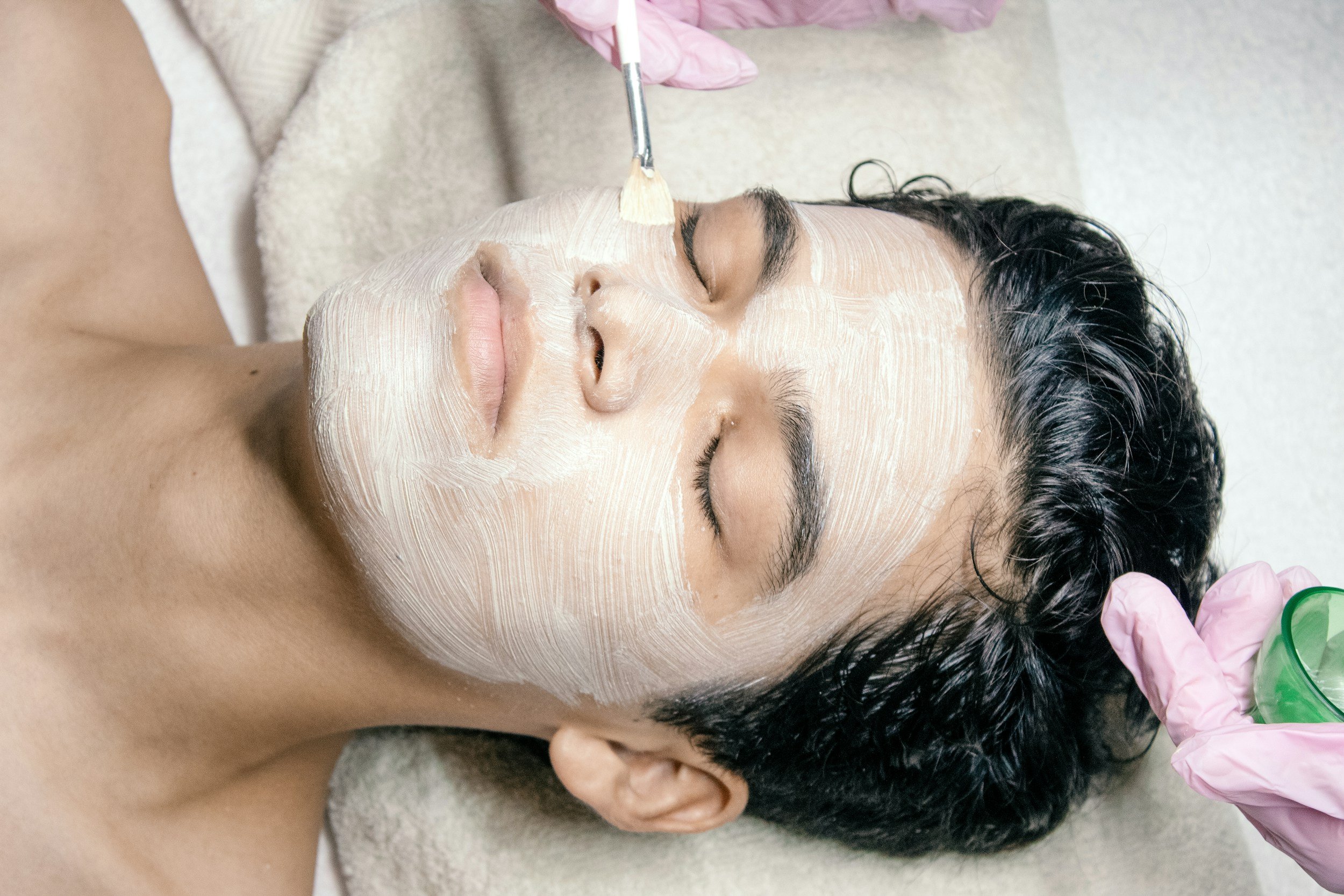
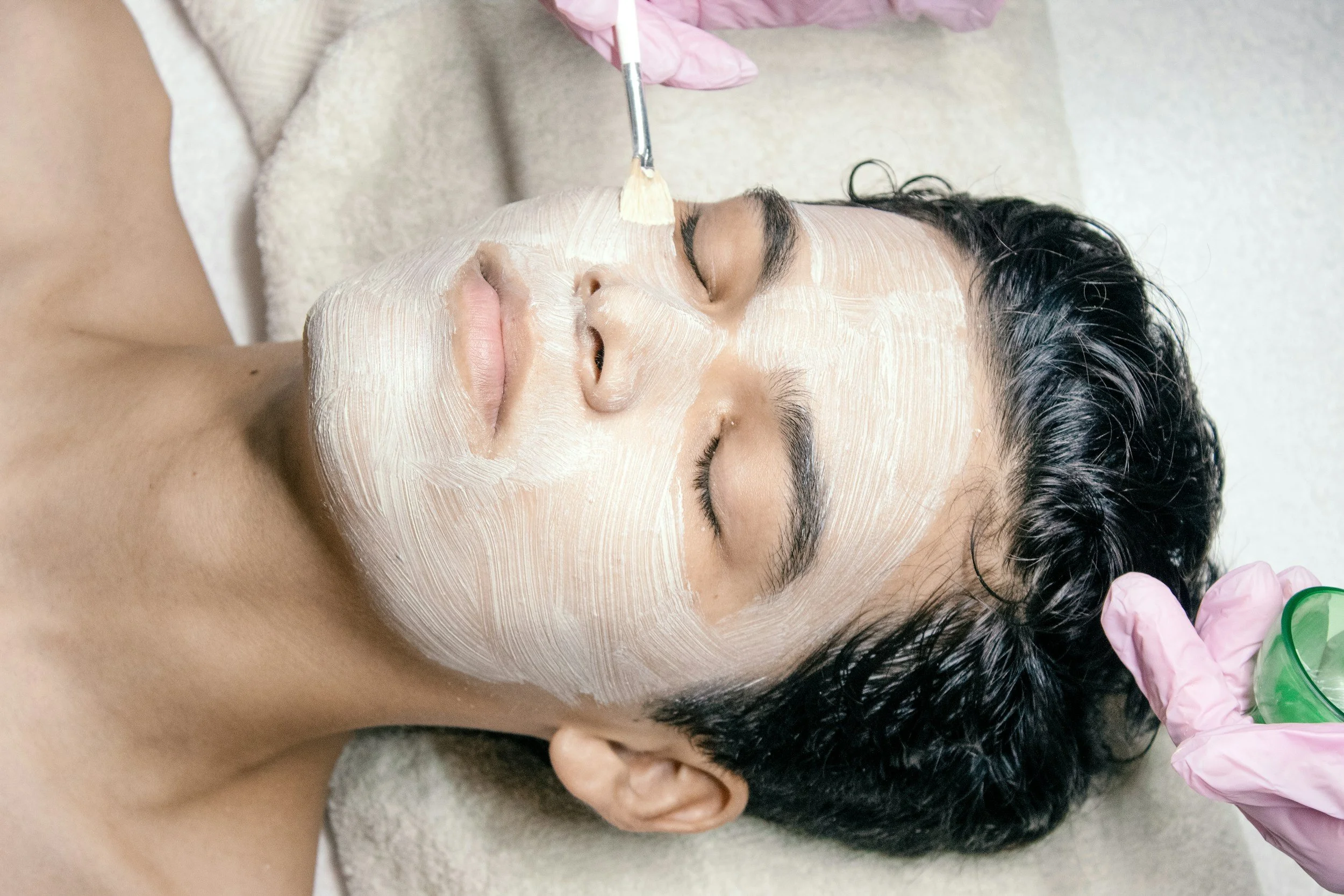
Medical-grade chemical peels
Microneedling (within permitted scope and supervision)
Dermaplaning
Corrective facials
Acne-focused protocols
Treatments are customized based on skin goals and integrated with other services provided in the practice.
Precision, safety, and documentation are emphasized at every step.

Collaboration with the Medical Team
A key difference between traditional and medical esthetics is collaboration.
Medical estheticians often coordinate with:
Nurse injectors
Laser technicians
Medical directors
Practice managers
For example, an esthetician may:
Prepare a patient’s skin before laser treatments
Provide post-procedure recovery protocols
Support maintenance plans between injectable appointments
This team-based approach enhances patient outcomes and builds a comprehensive aesthetic plan.
Midday Documentation and Product Recommendations
Documentation is a critical part of the day.
Medical estheticians complete:
Treatment notes
Before-and-after photo updates
Product recommendations
Maintenance scheduling
Medical-grade skincare sales often play a role in patient results and practice revenue.
Clear documentation protects both patient and provider and supports medical oversight in Colorado.

Managing Follow-Ups and Patient Education
Medical estheticians frequently communicate with patients about:
Post-peel care instructions
Expected downtime
Managing mild redness or flaking
Scheduling follow-up sessions
Education builds trust and improves treatment compliance.
Unlike spa services, medical aesthetic treatments often involve structured, multi-session programs.

End of Day: Review and Continued Learning
At the end of the day, medical estheticians may:
Review patient progress photos
Consult with providers about treatment sequencing
Study advanced skin science topics
Attend training webinars or in-office education sessions
The field evolves quickly, and continued learning is essential for long-term success.
Skills That Make a Successful Medical Esthetician
Top-performing medical estheticians demonstrate:
Strong knowledge of skin physiology
Comfort working in clinical environments
Excellent consultation and communication skills
Attention to sanitation and documentation
Ability to integrate treatments with laser and injectables
Commitment to continued education
Medical aesthetics combines science, structure, and patient-centered care.
How Training Shapes the Experience
Comprehensive advanced esthetician training prepares students to enter clinical environments confidently.
Graduates who receive hands-on experience and structured education feel prepared to:
Conduct detailed consultations
Build long-term corrective plans
Collaborate effectively with medical teams
Maintain professional documentation standards
Programs that focus only on theory may leave students feeling overwhelmed when entering real medspa or dermatology settings.

Is This Career Right for You?
A career as a medical esthetician may be ideal if you:
Prefer results-driven treatments over relaxation services
Enjoy working within structured clinical environments
Value long-term patient relationships
Want career growth beyond traditional spa roles
Are committed to ongoing professional development
Medical aesthetics offers upward mobility, professional credibility, and integration into Colorado’s expanding clinical aesthetic market.
Begin Your Medical Aesthetics Career in Denver
Elite Aesthetics Academy’s Medical Aesthetics Training Program in Denver prepares licensed estheticians for real-world clinical practice through advanced skin science education and hands-on corrective treatment training.
If you’re ready to explore a day in the life of a medical esthetician firsthand, request program details or speak with our admissions team about upcoming training opportunities.
Your next chapter in aesthetics begins with advanced education.

👉 Explore Advanced esthetics Training in Denver
Start Advanced esthetics Training