Day in the Life of a Permanent Makeup Artist
If you’re considering enrolling in permanent makeup (PMU) training, you may be wondering what the career actually looks like on a daily basis.
Permanent makeup artists combine artistry, technical precision, sanitation protocols, and client communication in a highly detail-oriented environment. In Colorado — especially in the Denver metro area — PMU artists work in body art studios, medspas, or private studios that comply with DORA-regulated body art standards.
Here’s a realistic look at a day in the life of a permanent makeup artist.

Morning: Setup and Sanitation
Professional PMU artists begin the day with preparation and sterilization — not pigment.
Morning tasks often include:
Reviewing the day’s appointment schedule
Preparing client consent forms
Setting up a sterile workstation
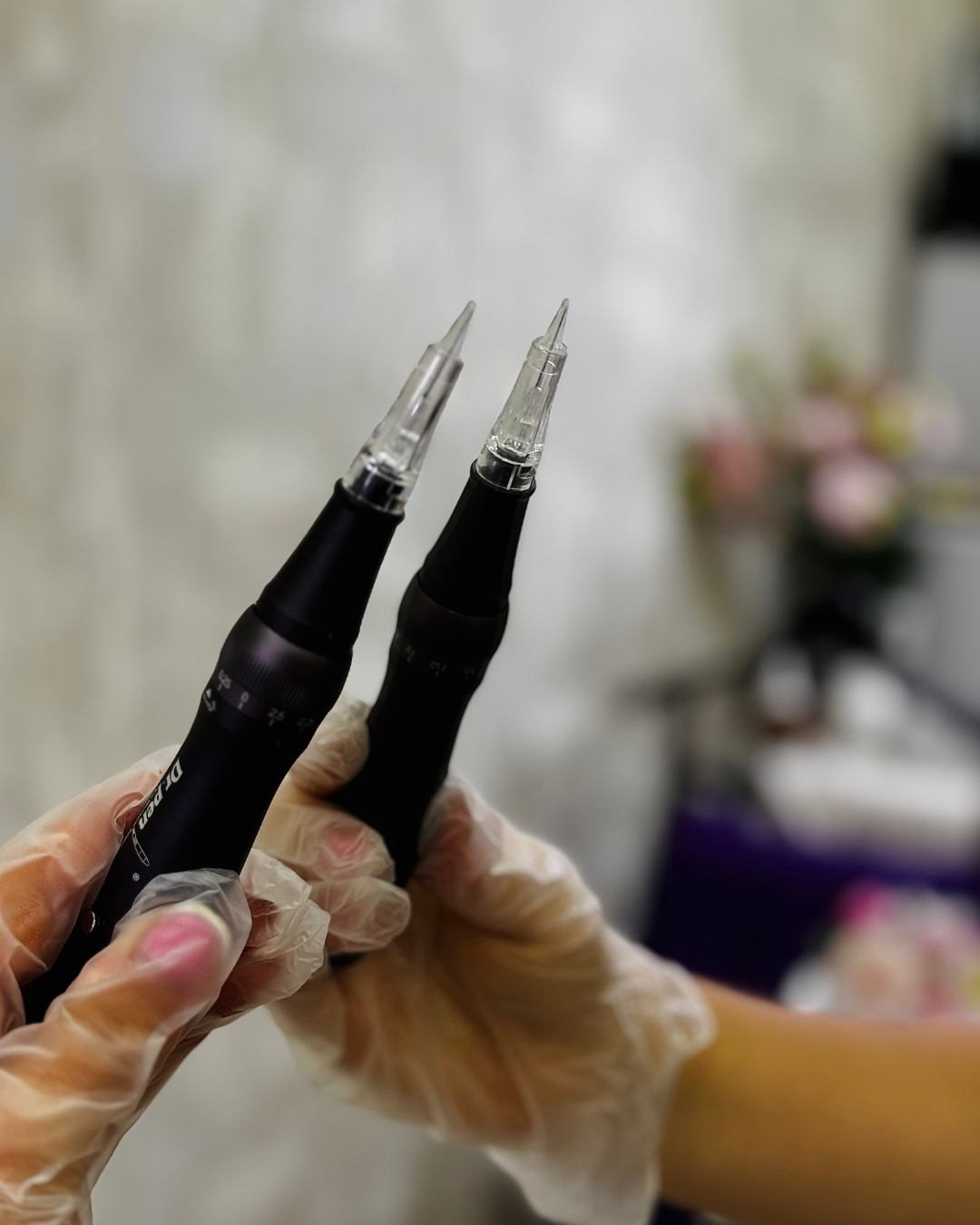
Laying out single-use needles and cartridges
Checking pigment inventory
Ensuring sharps containers and biohazard disposal systems are ready
Because permanent makeup is regulated as body art under Colorado Code of Regulations (CCR) standards, sanitation is non-negotiable.
A clean, compliant setup protects both artist and client.
Client Consultation and Brow Mapping
Most appointments begin with consultation.
During this phase, the artist will:
Review medical history
Discuss desired shape and style
Assess skin type and undertones
Explain healing expectations
Outline aftercare instructions
For brow services, mapping is critical. Artists measure facial proportions carefully to create symmetry and balance before beginning the procedure.
This consultation phase often takes as long as the procedure itself.
Performing the Procedure
Depending on the service, the procedure may last 1.5 to 3 hours.
Common services include:
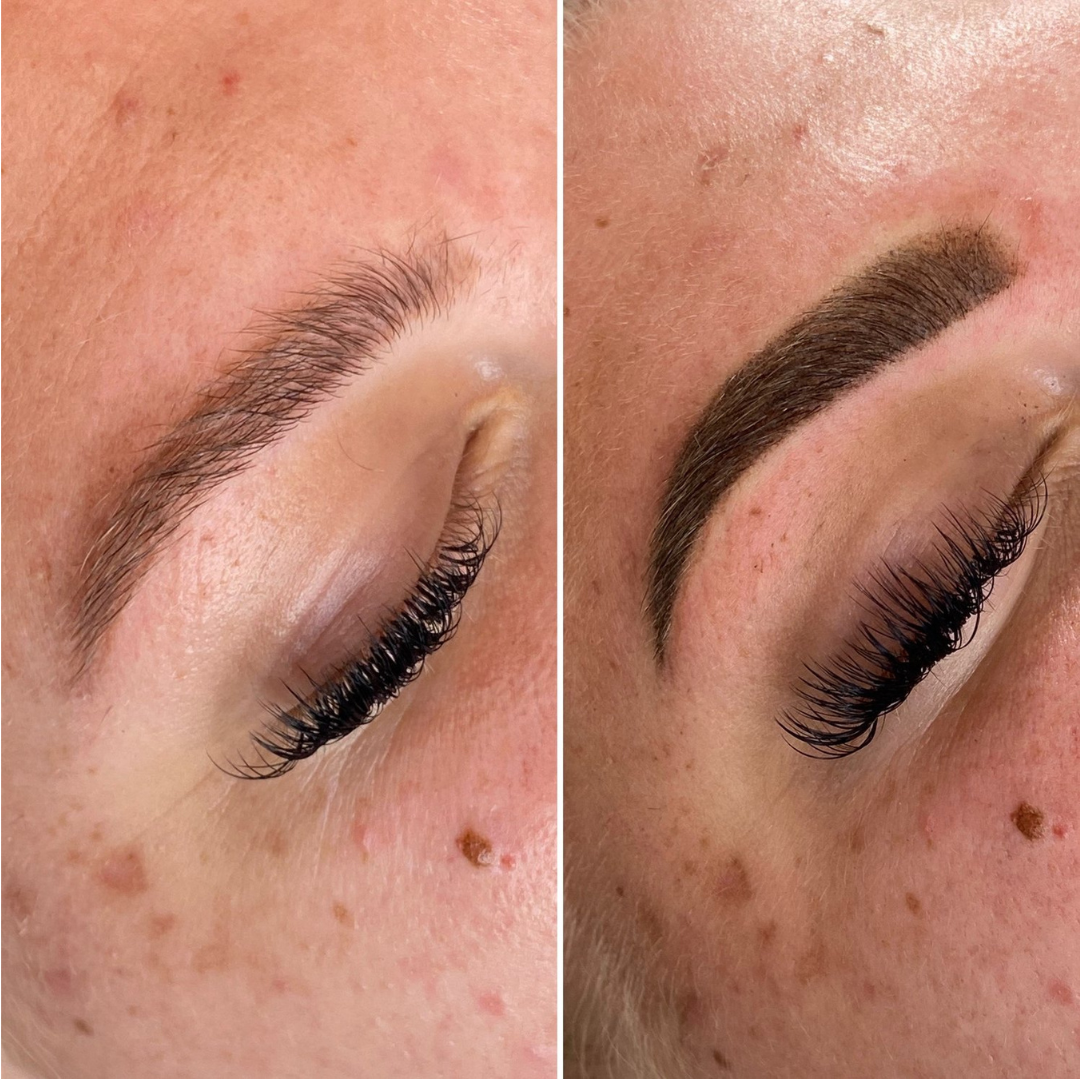
Microblading
Ombre/powder brows
Combination brows
Lip blush
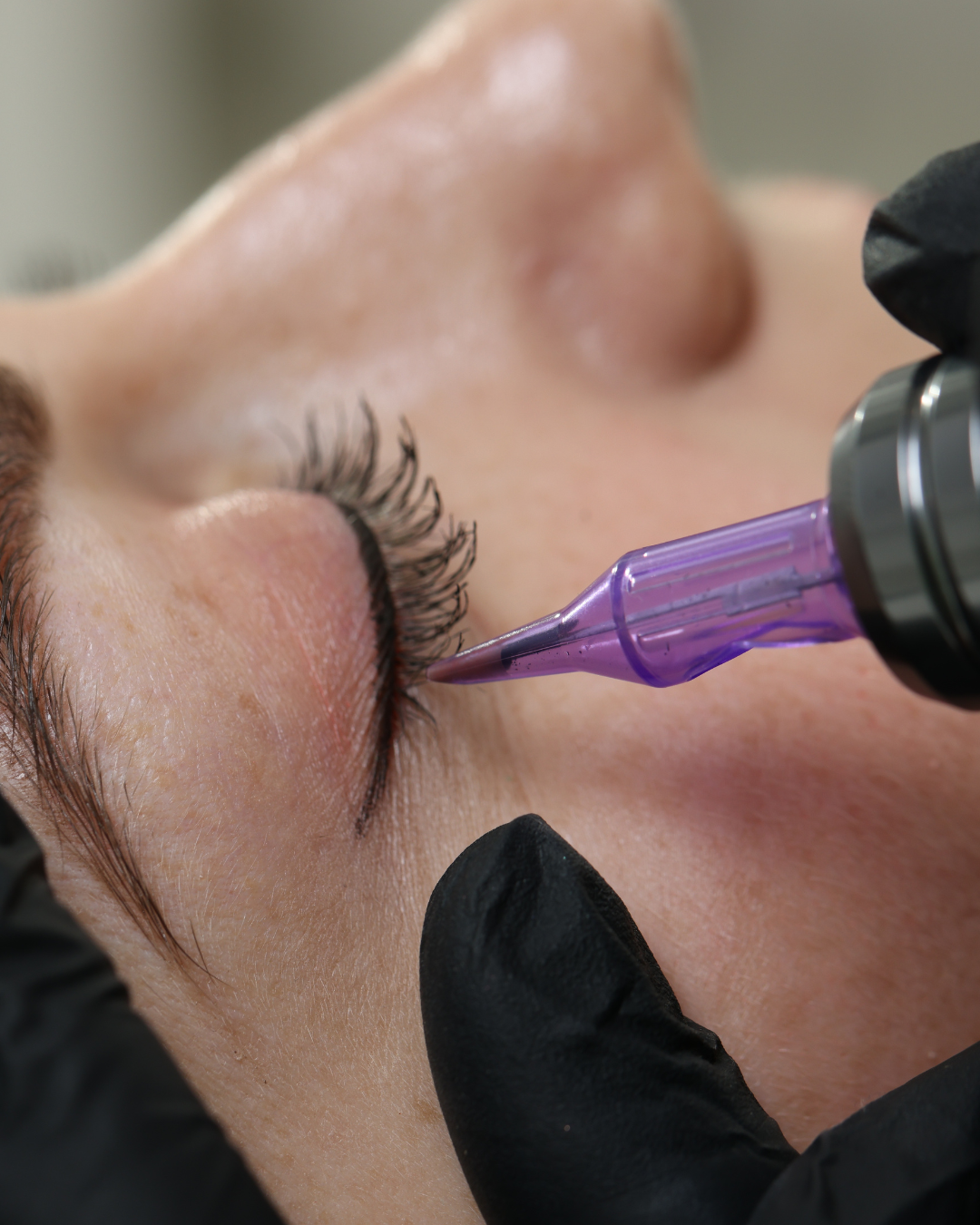
Eyeliner tattoo
During the procedure, the artist must maintain:
Consistent depth control
Proper skin stretch technique
Even pigment saturation
Calm communication with the client
Precision and patience are essential. Rushing can lead to poor healed results.
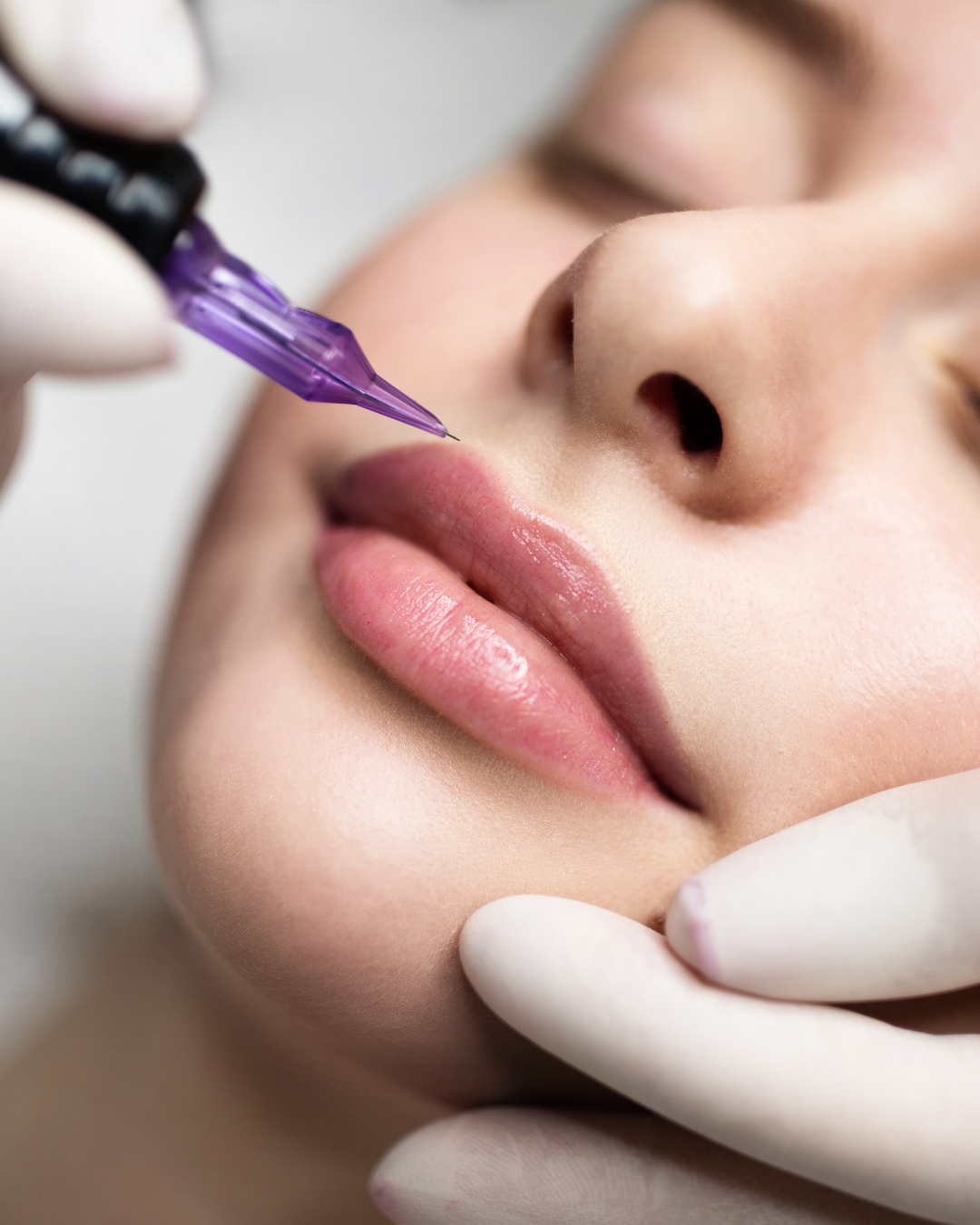
Photo Documentation and Aftercare Education
After completing the service, artists:
Take detailed before-and-after photos
Review aftercare instructions
Schedule touch-up appointments
Document pigment and needle information
Clear communication helps manage client expectations during the healing process, which includes temporary darkening, scabbing, and color softening.
Between Appointments: Business Tasks
Many permanent makeup artists are also entrepreneurs.
Between clients, they may:
Respond to inquiries and DMs
Post educational or portfolio content on social media
Order supplies
Manage scheduling systems
Track finances
Maintain compliance documentation
Running a PMU business requires both artistic and operational skill.
Afternoon Appointments or Touch-Ups
Touch-up sessions are common 6–8 weeks after the initial appointment.
These appointments involve:
Assessing healed results
Adjusting color or density
Refining shape if needed
Ensuring long-term retention
Healed results determine reputation — not fresh work.
Ongoing Education and Skill Development
The aesthetics industry evolves quickly. Successful PMU artists regularly:
Study healed results
Take advanced color correction classes
Learn new shading techniques
Review updated DORA and local health compliance guidelines
Continued education increases both skill and income potential.
Work-Life Balance and Flexibility
One of the appealing aspects of permanent makeup is scheduling flexibility.
Many artists:
Work by appointment only
See fewer clients per day compared to spa roles
Control their hours
Scale income through pricing rather than volume
However, building a client base requires consistent marketing and reputation management.
Skills That Make a Successful PMU Artist
Top-performing permanent makeup artists demonstrate:
Strong attention to detail
Patience and steady hand control
Advanced color theory knowledge
Professional sanitation habits
Clear client communication
Business and branding awareness
Permanent makeup is both art and regulated body art practice — requiring discipline and professionalism.
How Training Shapes the Experience
Comprehensive training prepares students for real-world expectations.
Graduates who receive hands-on live model practice and structured sanitation education feel more confident managing:
Depth consistency
Client consultations
Compliance standards
Healed results expectations
Programs that skip supervised practice often leave students overwhelmed when working independently.

Is This Career Right for You?
A career as a permanent makeup artist may be ideal if you:
Enjoy artistic precision work
Are comfortable working with needles
Value entrepreneurship and flexibility
Are committed to sanitation and compliance standards
Want scalable income potential
Permanent makeup offers creative fulfillment, professional autonomy, and strong earning potential for dedicated artists.
Begin Your Permanent Makeup Career in Denve
Elite Aesthetics Academy’s Permanent Makeup Training Program in Denver prepares students with hands-on instruction, sanitation education aligned with Colorado regulations, and real-world business guidance.
If you’re ready to experience a day in the life of a permanent makeup artist firsthand, request program details or speak with our admissions team about upcoming training sessions.
Your career in cosmetic tattooing begins with comprehensive education.

👉 Explore permanent makeup Training in Denver

Start permanent makeup Training