
In Colorado, the operation of cosmetic lasers—including hair removal, skin rejuvenation, and non-ablative resurfacing—is legally recognized as part of the practice of medicine. This means that any procedure using devices capable of cutting, burning, or altering living tissue must fall under the supervision of a licensed medical professional. The state’s Medical Board Rule 800 outlines how physicians can safely delegate medical-aesthetic services, including Class IIIb and Class IV lasers, to qualified personnel.
Who Can Perform Laser Treatments:
Physicians (MD or DO) may perform cosmetic laser procedures directly or delegate them to qualified staff. This includes registered nurses (RNs), physician assistants (PAs), nurse practitioners (NPs), and even unlicensed professionals—such as medical assistants or laser technicians—if they have received proper training and operate under written medical protocols. However, estheticians licensed under the Colorado Cosmetology Act cannot independently use lasers or IPL devices unless working within a medical practice under a physician’s direction.
Supervision Requirements:
Under Rule 800, the supervising physician must be readily available, either onsite or by telecommunications, when a delegated cosmetic laser procedure is being performed. The physician must also ensure that every delegated provider has demonstrated competency through formal training and supervised practice. Importantly, the physician remains legally responsible for all delegated acts.
Training and Safety:
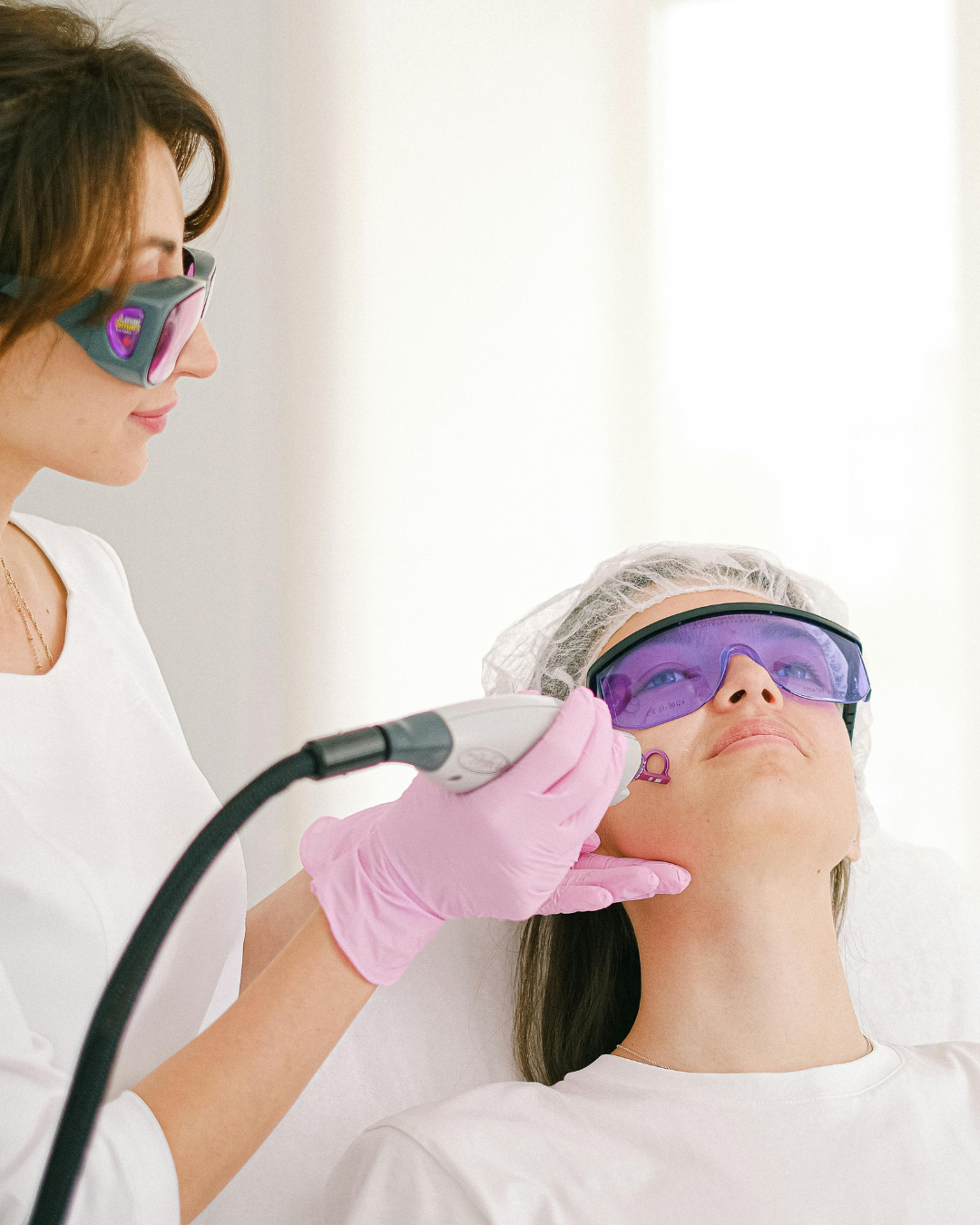
Colorado emphasizes both safety and documentation. Physicians must create written protocols that specify which procedures may be performed, by whom, under what conditions, and how complications are handled. All staff operating lasers must complete training consistent with ANSI Z136.3 standards, which include topics like eye protection, calibration, maintenance, and emergency procedures. Facilities are encouraged to appoint a Laser Safety Officer (LSO) to monitor compliance.
Example Scenario:
If you’re a licensed esthetician in Denver and want to add laser hair removal to your services, you cannot legally purchase and operate a laser on your own. You’d need to partner with or work under a physician who has written protocols and provides supervision. Once trained and approved, you could perform treatments as a delegated medical-aesthetic provider inside a registered medspa.
Why It Matters:
Colorado’s rules protect consumers from unqualified operators while allowing flexibility for medspas and clinics to expand services safely. Proper delegation ensures that patients receive effective treatments with minimized risks of burns, scarring, or infection. Staying compliant not only avoids penalties but also builds trust with clients and insurers.
Official Resource:
Colorado Medical Board – Rule 800
Elite vs. Rocky Mountain
Rocky Mountain Laser College provides training but lacks the boutique, patient-centered approach that Elite offers. At Elite, models are treated like clients — with personalized attention.
Conclusion
If you’re searching “is cosmetic laser modeling safe Denver”, the answer is yes — especially at Elite Aesthetics Academy, where safety and results go hand-in-hand.
Learn More: