Esthetician vs Cosmetologist: What’s the Difference? (Colorado Career Guide 2026)
If you are exploring a career in the beauty industry, you may be asking:
What’s the difference between an esthetician and a cosmetologist?
While both professions are licensed through the Colorado Department of Regulatory Agencies (DORA) and work within the beauty industry, their training focus, scope of practice, and career paths are very different.
Understanding these differences will help you choose the right education program and long-term career direction.
What Is an Esthetician?
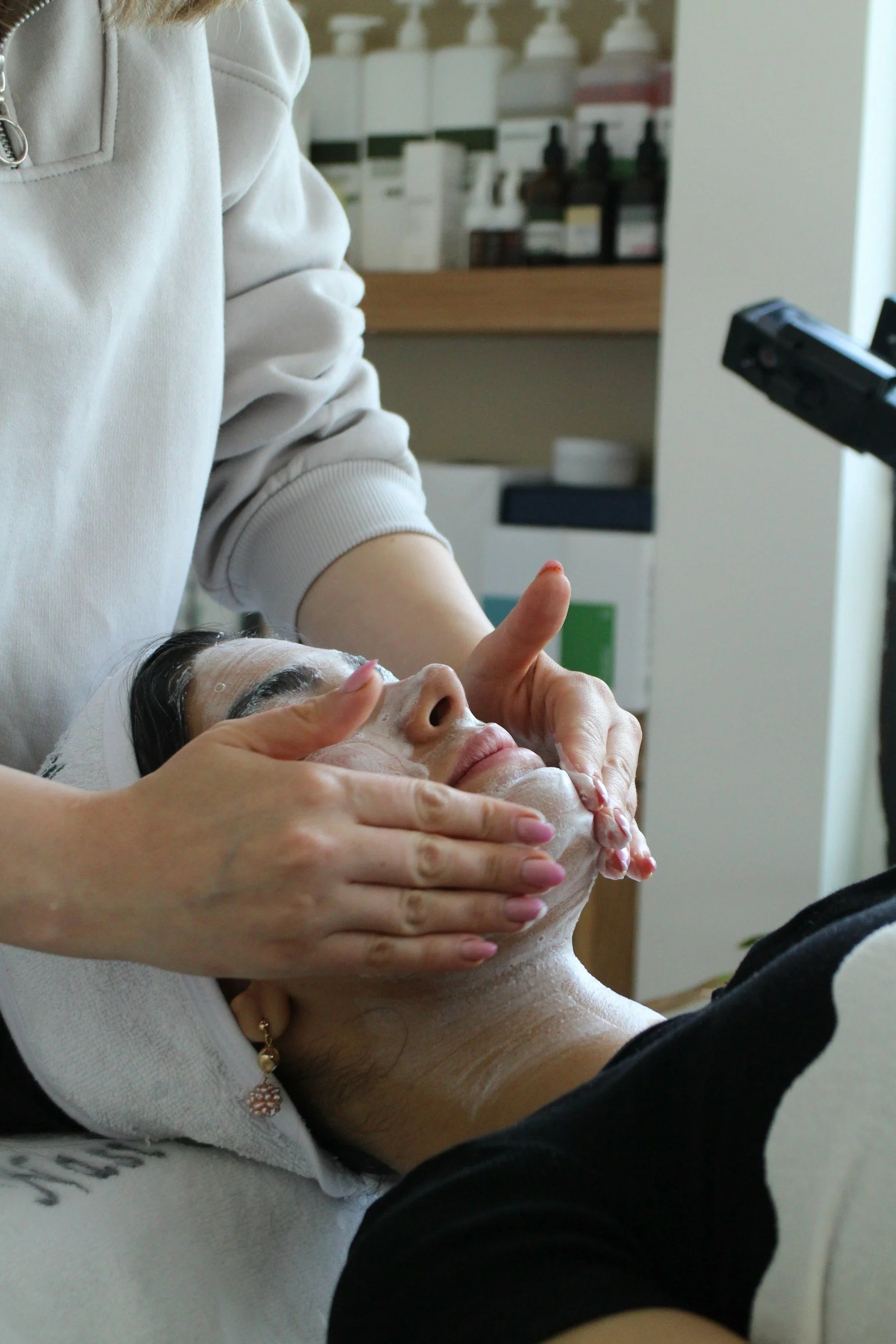
An esthetician is a licensed skincare specialist who focuses exclusively on skin health, facial treatments, and non-medical cosmetic services.
Colorado Education Requirement
To become a licensed esthetician in Colorado, you must complete:
600 clock hours at a state-approved esthetics school
Pass required licensing examinations
Apply for licensure through DORA
What Estheticians Do
Licensed estheticians may provide services such as:
Facials and customized skincare treatments
Superficial exfoliation
Waxing and hair removal
Brow shaping
Lash services (with additional training)
Makeup application
Client skin consultations
Estheticians specialize in skincare science and client education. Their training is concentrated specifically on skin anatomy, treatment protocols, and sanitation standards.
What Is a Cosmetologist?
A cosmetologist is licensed to provide a broader range of beauty services including hair, nails, and some skincare treatments.
Colorado Education Requirement
To become a licensed cosmetologist in Colorado, you must complete:
1,500 clock hours at a state-approved cosmetology school
Pass required licensing examinations
Apply through DORA for licensure
What Cosmetologists Do
Licensed cosmetologists may perform:
Hair cutting and styling
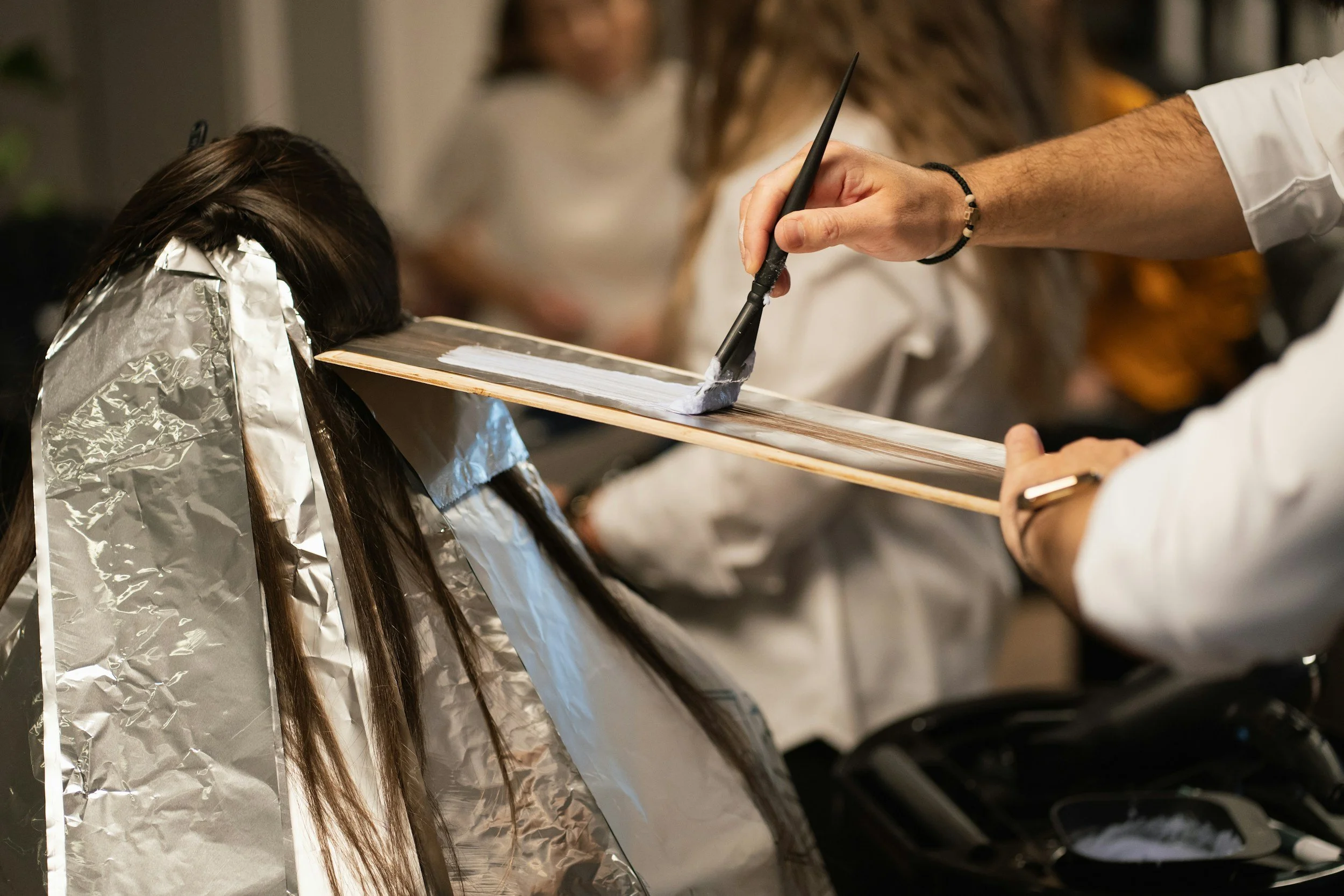
Hair coloring and chemical treatments
Nail services
Basic skincare services
Waxing
Cosmetology training covers multiple disciplines, with less in-depth focus on skincare compared to esthetics programs.

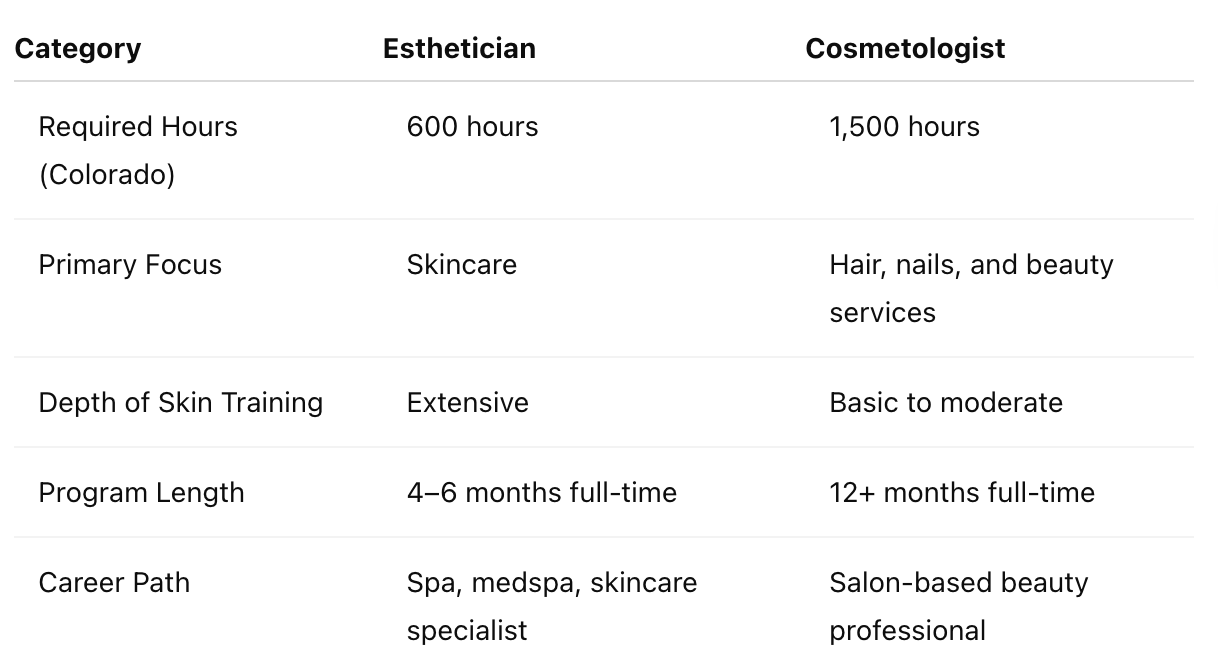
Key Differences Between Esthetician and Cosmetologist
Which Career Is Right for You?
Choose Esthetics If You:
Are passionate about skincare science
Want to work in spas or medical spas
Prefer a shorter education timeline (600 hours)
Plan to specialize in acne, anti-aging, lash artistry, or advanced aesthetics
Choose Cosmetology If You:
Want to work primarily with hair
Prefer a broad beauty skillset
Are interested in nail services
Want flexibility across multiple salon services
Your career goals should determine your educational pathway.
Income Comparison in Colorado
Income varies based on specialization, location, and experience.
Estheticians in Colorado
Entry-level: $30,000–$45,000 annually
Mid-career: $45,000–$65,000
Specialized/advanced: $60,000–$80,000+
Cosmetologists in Colorado
Income varies widely depending on hair clientele and commission structure
Experienced hairstylists may exceed average esthetician earnings in some markets
Esthetics often allows for specialization in medical or corrective skincare, which can increase earning potential over time.

Career Advancement Opportunities
Esthetician Career Growth
Licensed estheticians may pursue advanced training in:
Medical aesthetics
Laser certifications
Permanent makeup
Lash extensions
Acne specialization
Esthetics provides a focused pathway into medically integrated aesthetics.
Cosmetology Career Growth
Cosmetologists may advance through:
Master colorist specialization
Salon ownership
Hair education roles
Brand ambassador opportunities
Both careers offer entrepreneurial potential.

Is One Better Than the Other?
Neither career is "better" — they are simply different.
If you are drawn specifically to skin health, corrective treatments, and working in spa or medspa environments, esthetics is typically the better fit.
If you want versatility across hair, nails, and basic skincare, cosmetology may align better with your goals.
Start Your Esthetician Career in Denver
If skincare and aesthetics are your passion, the first step is enrolling in a 600-Hour Esthetician License Program and obtaining licensure through DORA.
Elite Aesthetics Academy’s esthetics program in Denver prepares students with hands-on training, regulatory education, and clear career pathways in Colorado’s growing aesthetics market.
Choosing between esthetics and cosmetology is the beginning of your journey — choosing the right school is the next step.

👉 Explore 600-hour esthetician license program in Denver
Start esthetics Training