Is Injectable Training Worth It in 2026?
If you are a licensed medical professional considering expanding into aesthetics, you may be asking:
Is injectable training worth it in 2026?
With continued growth in non-surgical cosmetic procedures, strong patient demand, and expanding medspa markets across Colorado, injectable training remains one of the most strategic career investments for qualified providers.
However, the true value depends on training quality, scope of practice, and long-term career goals.
This guide breaks down the financial, professional, and market factors to help you decide whether Botox and dermal filler training is the right move in 2026.
The Growth of Aesthetic Injectables
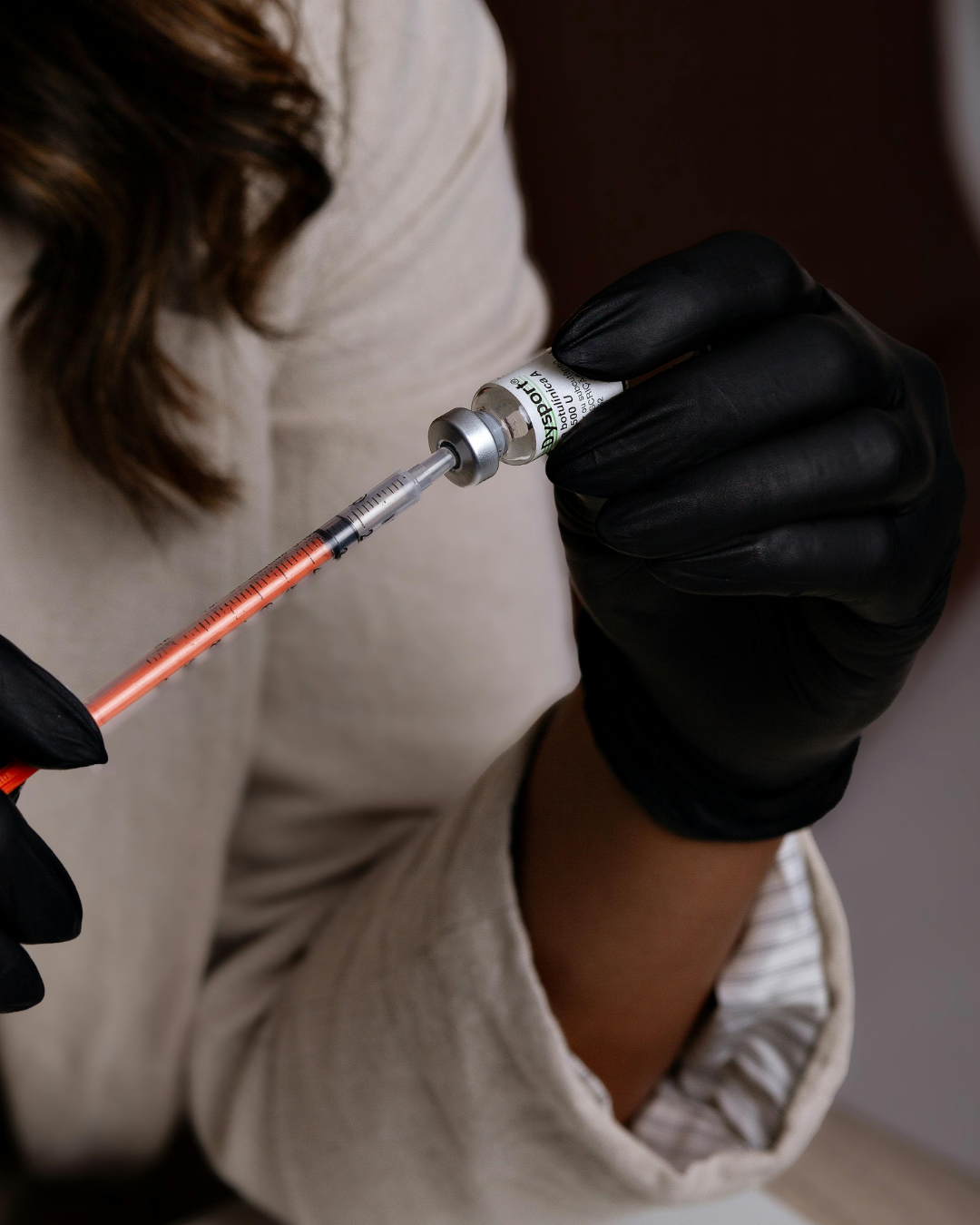
Injectables continue to dominate the non-surgical cosmetic market.
In 2026, industry trends show:
Increased demand for preventative Botox treatments
Growth in natural-looking dermal filler enhancements
Younger demographics entering the aesthetics market
Ongoing popularity of facial balancing and full-face rejuvenation
Expansion of boutique medspas throughout Denver and surrounding Colorado cities
Unlike trend-based treatments, neuromodulators and fillers have become core, repeat services for aesthetic practices.
This consistency makes injectable training a stable and scalable skillset.
Financial Return on Investment (ROI)
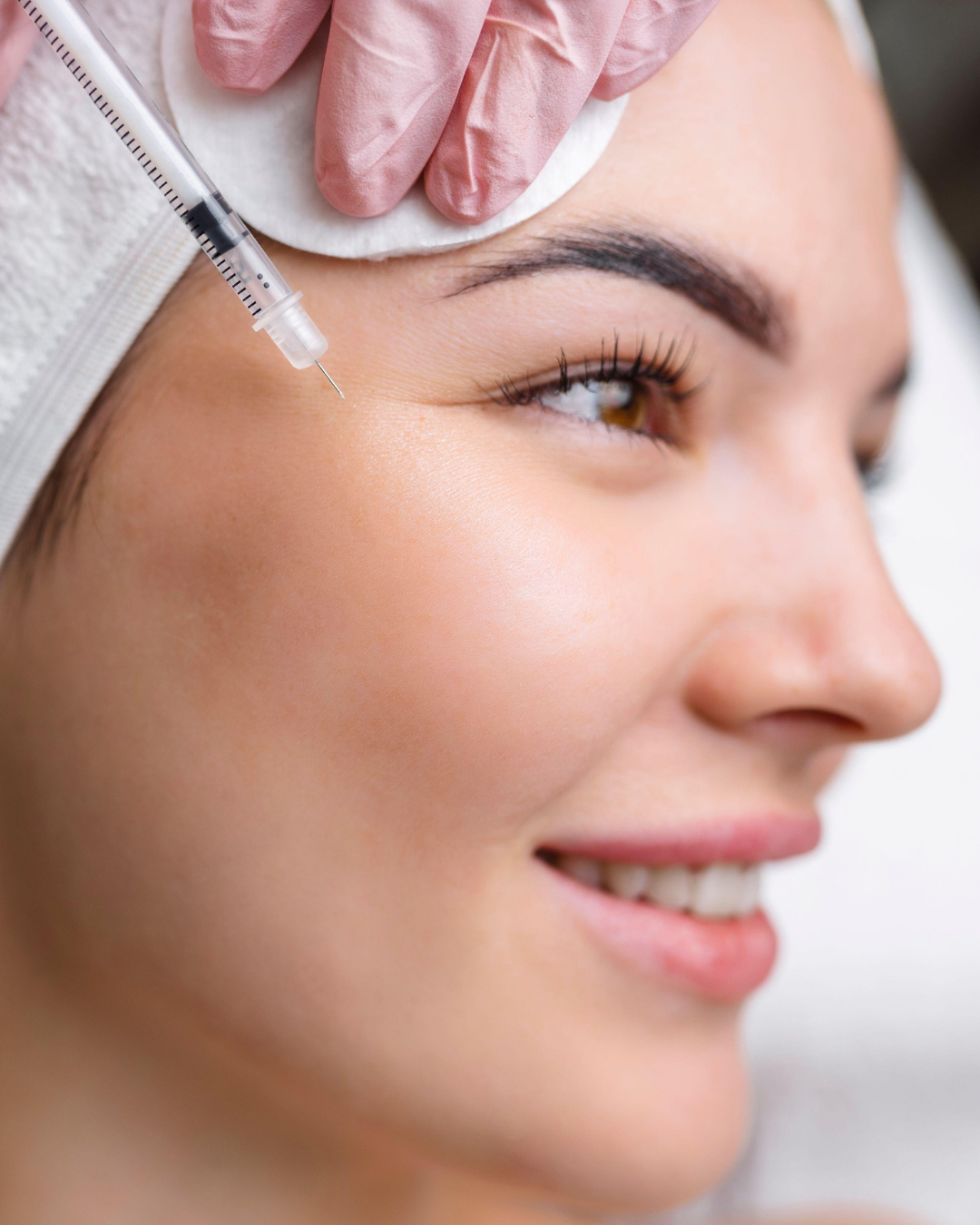
One of the primary reasons injectable training is worth considering in 2026 is income potential.
Injectables are high-revenue services. Even modest patient volumes can generate substantial revenue for a clinic, which translates into strong compensation opportunities for trained providers.
Common financial advantages include:
Competitive base salaries
Commission structures
Performance bonuses
Revenue-share opportunities
Repeat treatment cycles (Botox every 3–4 months; filler every 6–18 months)
Many injectors recoup their training investment within the first year of consistent practice.
Career Flexibility and Professional Growth
Injectable training offers flexibility that many traditional clinical roles do not.
Career options include:
Working in a medical spa
Joining a dermatology or plastic surgery practice
Building a personal injector brand
Moving into lead injector roles
Transitioning into aesthetic education
Opening a practice under proper medical structure
Injectables also pair well with other advanced aesthetic services, including laser treatments and skin rejuvenation.
For nurses, NPs, PAs, and physicians seeking diversification, injectables can create new income streams and professional autonomy.

Work-Life Balance Considerations
Many providers pursue injectable training for lifestyle reasons.
Compared to hospital or acute-care environments, aesthetic practices often offer:
Daytime business hours
Scheduled appointments
Predictable workflows
Lower emergency intensity (when properly trained)
While complication management training is critical, aesthetic environments typically provide a more controlled setting.
Market Demand in Colorado
The Denver metro area continues to experience population growth and strong demand for cosmetic services.
Colorado patients increasingly seek:
Preventative wrinkle treatments
Subtle lip enhancement
Facial balancing procedures
Long-term aesthetic maintenance plans
Medspas are expanding throughout Denver, Aurora, Lakewood, Boulder, and Colorado Springs — creating demand for qualified injectors.
Clinics are becoming more selective, preferring providers with:
Structured anatomy education
Complication management training
Hands-on live model experience
Professional consultation skills
Quality training is what separates long-term career success from short-term experimentation.
When Injectable Training May Not Be Worth It
Injectable training may not be the right fit if:
You are not licensed within an eligible medical scope of practice
You are unwilling to pursue ongoing mentorship
You prefer non-client-facing roles
You are uncomfortable with anatomy-intensive procedures
Injectables require precision, responsibility, and continued learning.
However, for motivated providers committed to safety and skill development, the upside is significant.

The Importance of Comprehensive Training in 2026
As the aesthetics market matures, quick weekend courses are no longer enough.
Employers and medical directors now prioritize graduates who have:
In-depth facial anatomy training
Live model injection experience
Complication recognition and management skills
Professional documentation practices
Ethical consultation training
Comprehensive injectable programs provide stronger foundations and better employment outcomes.
Long-Term Career Scalability
One of the strongest arguments for injectable training is long-term scalability.
Experienced injectors can:
Increase pricing as expertise grows
Build loyal patient bases
Expand into advanced facial balancing
Mentor junior injectors
Develop educational platforms
Unlike many healthcare roles with fixed salary ceilings, injectables offer room for financial and professional expansion.
Final Verdict: Is It Worth It?
For licensed medical professionals in Colorado, injectable training remains highly worthwhile in 2026 — when completed through a reputable, hands-on program.
With strong market demand, repeat patient cycles, high treatment revenue, and long-term scalability, injectables continue to rank among the most financially strategic and professionally flexible aesthetic skills.
The deciding factor is training quality.
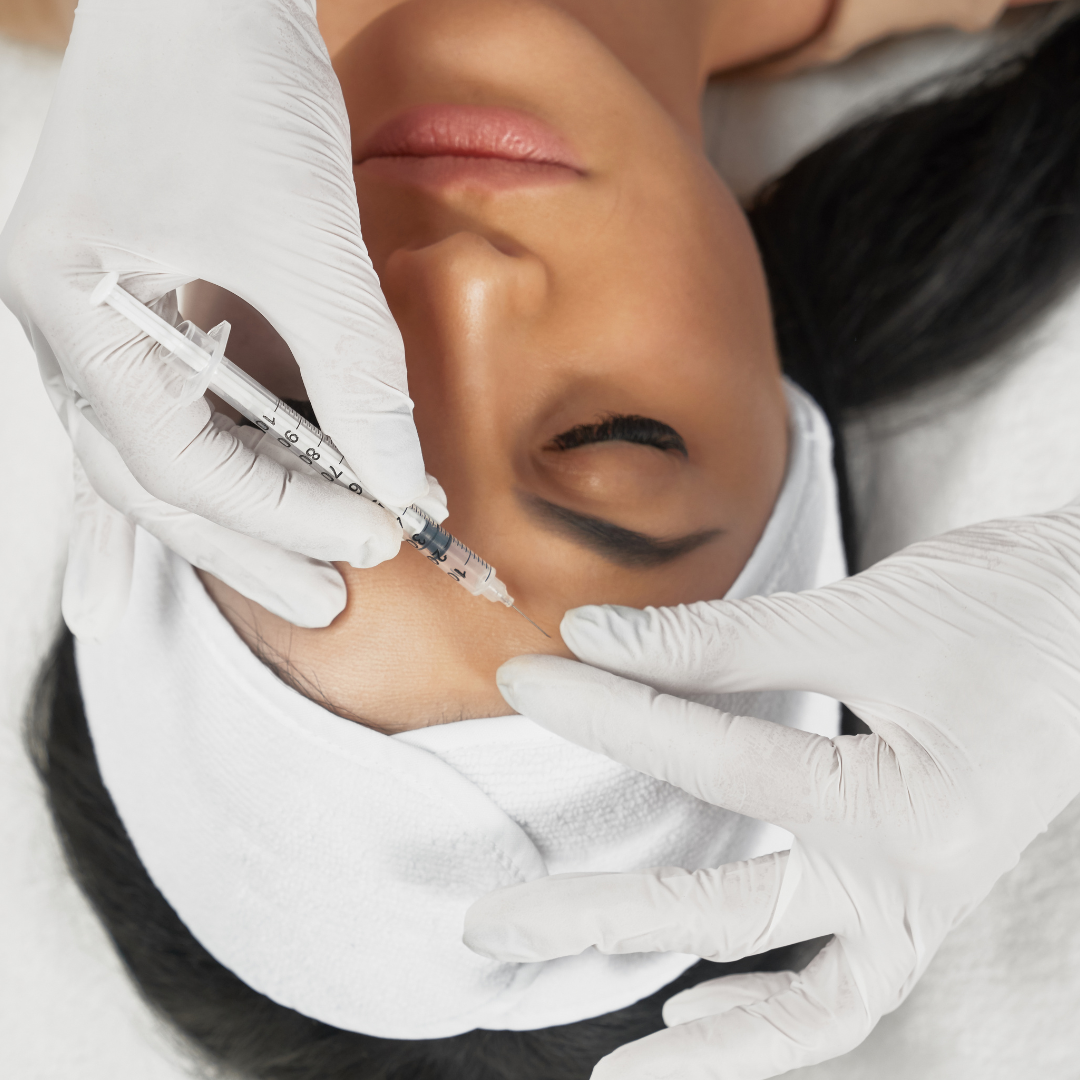
Elite Aesthetics Academy’s Injectable Training Program in Denver is designed to provide structured anatomy education, hands-on live model injections, and real-world complication management preparation.
If you are ready to expand your clinical skillset and increase your earning potential, request program details or speak with our admissions team to learn more about upcoming training sessions.
Your future in aesthetic injectables begins with the training you choose.
👉 Explore Cosmetic Injectable Training in Denver
Start cosmetic injectables Training