Microdermabrasion Complications: What Professionals Should Know (Clinical Safety Guide 2026)
Microdermabrasion is widely considered a safe, non-invasive exfoliation treatment — but when performed improperly, without adequate screening, or outside of Colorado regulatory requirements, complications can occur.
For licensed estheticians, understanding risk management is not optional. It is essential for client safety, professional credibility, and compliance with the Colorado Department of Regulatory Agencies (DORA).
This guide outlines the most common microdermabrasion complications, how to prevent them, and when referral is appropriate.
Why Complication Awareness Matters
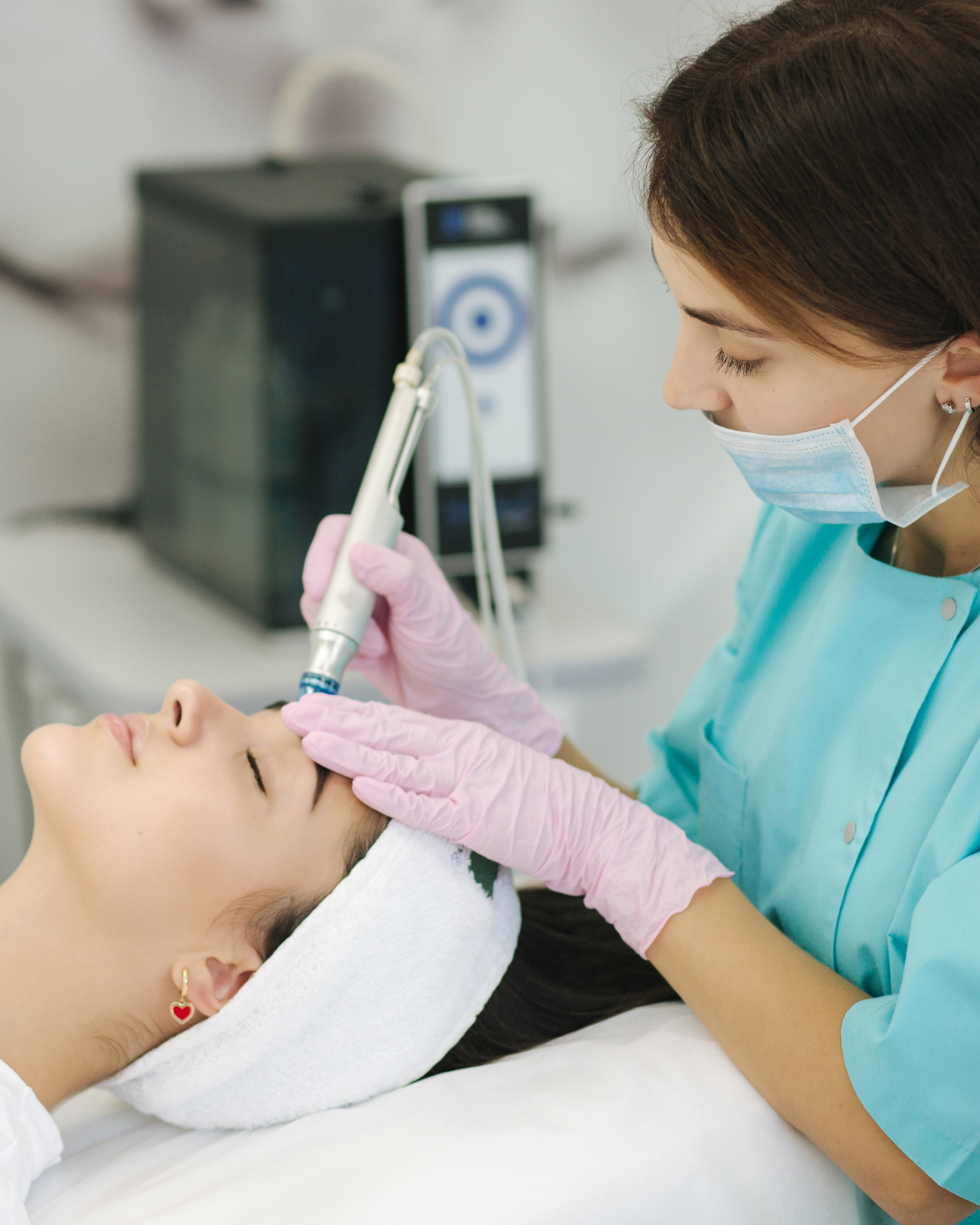
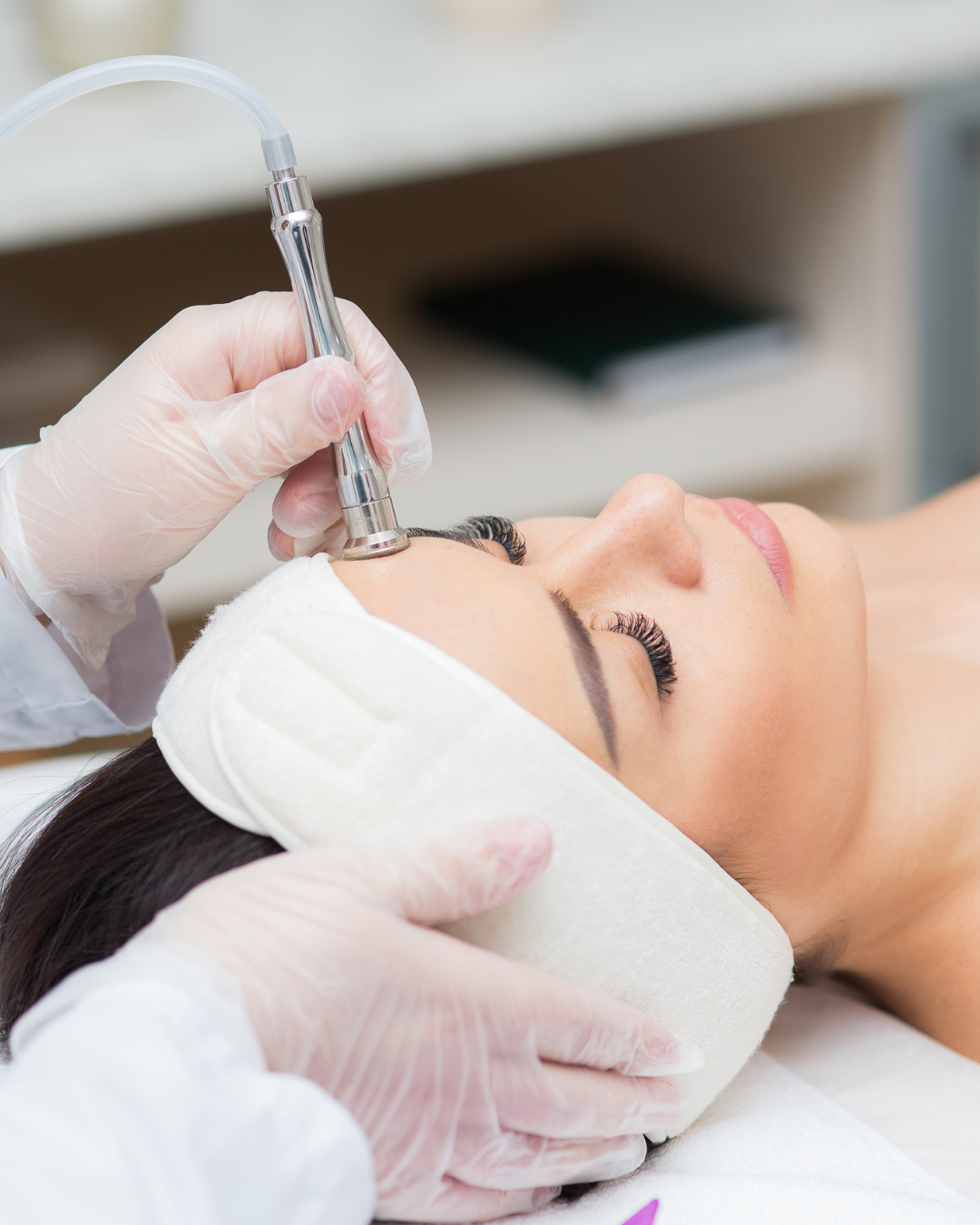
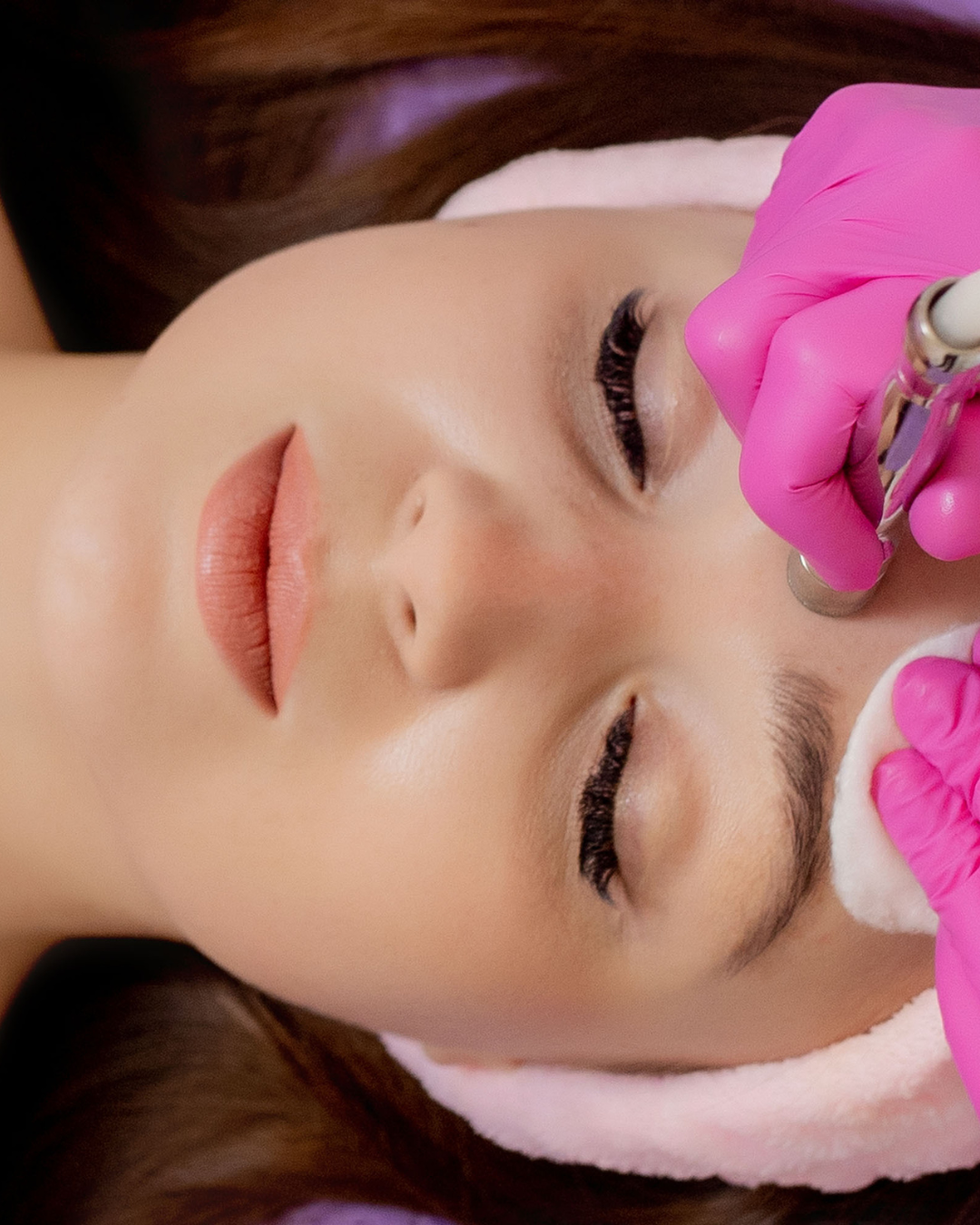
Microdermabrasion mechanically exfoliates the stratum corneum using abrasion and suction. Even though it is considered superficial, you are still:
Disrupting the skin barrier
Creating controlled exfoliation
Increasing temporary photosensitivity
Using suction that can stress capillaries
The difference between a successful treatment and a complication depends on:
Proper client selection
Correct suction settings
Controlled hand movement
Conservative treatment planning
Adherence to Colorado scope-of-practice regulations
Advanced education significantly reduces preventable risk.
Most Common Microdermabrasion Complications
Excessive Erythema (Redness)
Mild redness is expected temporarily. However, excessive or prolonged erythema can indicate over-treatment.
Causes:
Suction set too high
Too many passes over the same area
Treating sensitized or inflamed skin
Prevention:
Start with conservative suction settings
Limit passes per zone
Assess skin response continuously
Avoid treating compromised barrier skin
Controlled technique prevents unnecessary inflammation.
Petechiae (Small Broken Capillaries)
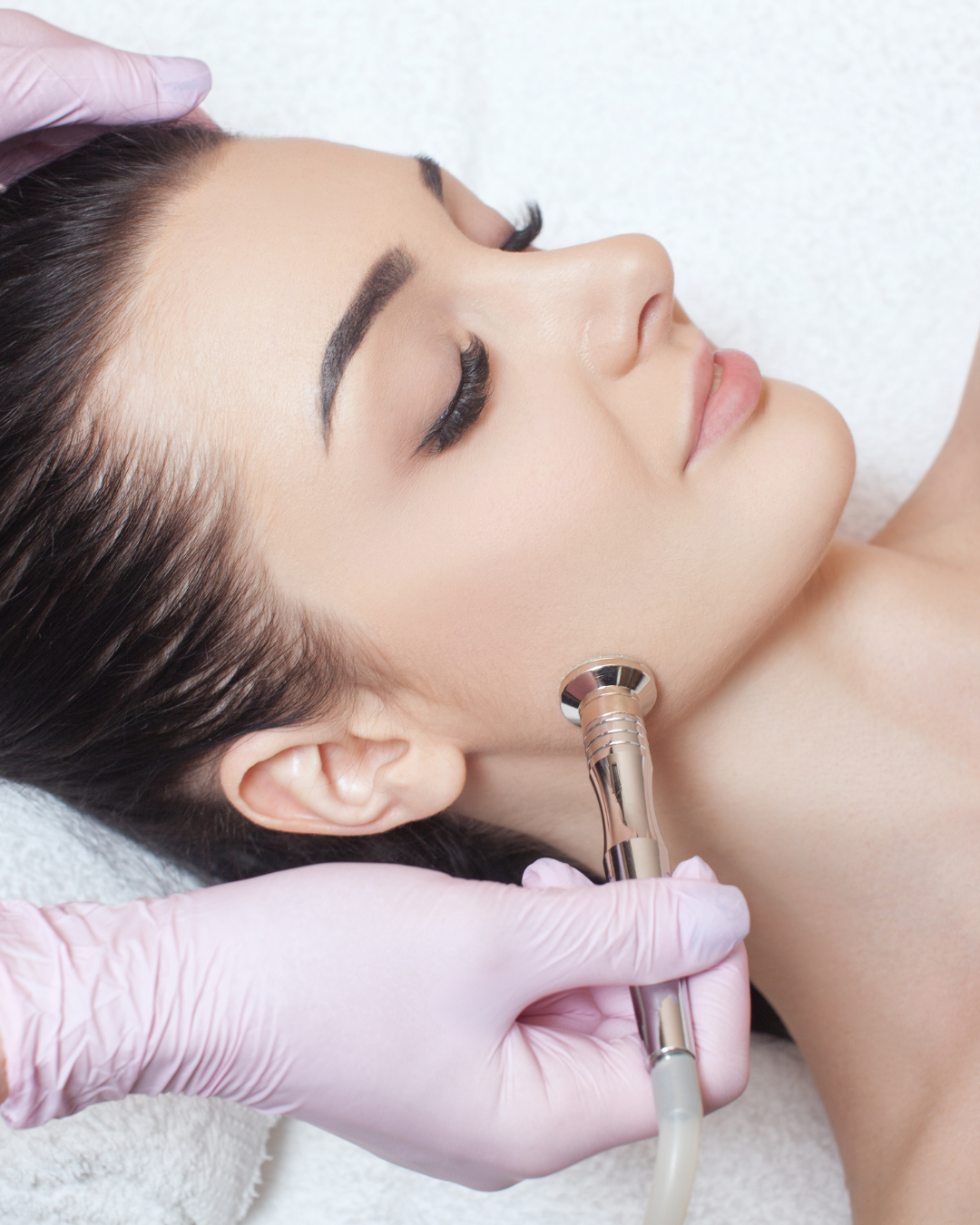
Petechiae appear as tiny red or purple dots caused by excessive suction.
Causes:
Overly aggressive vacuum pressure
Holding the handpiece stationary
Working over delicate areas without adjustment
Prevention:
Keep the handpiece moving consistently
Adjust suction for thinner skin areas
Avoid high suction on clients prone to capillary fragility
Understanding suction mechanics is critical.
Over-Exfoliation & Barrier Damage
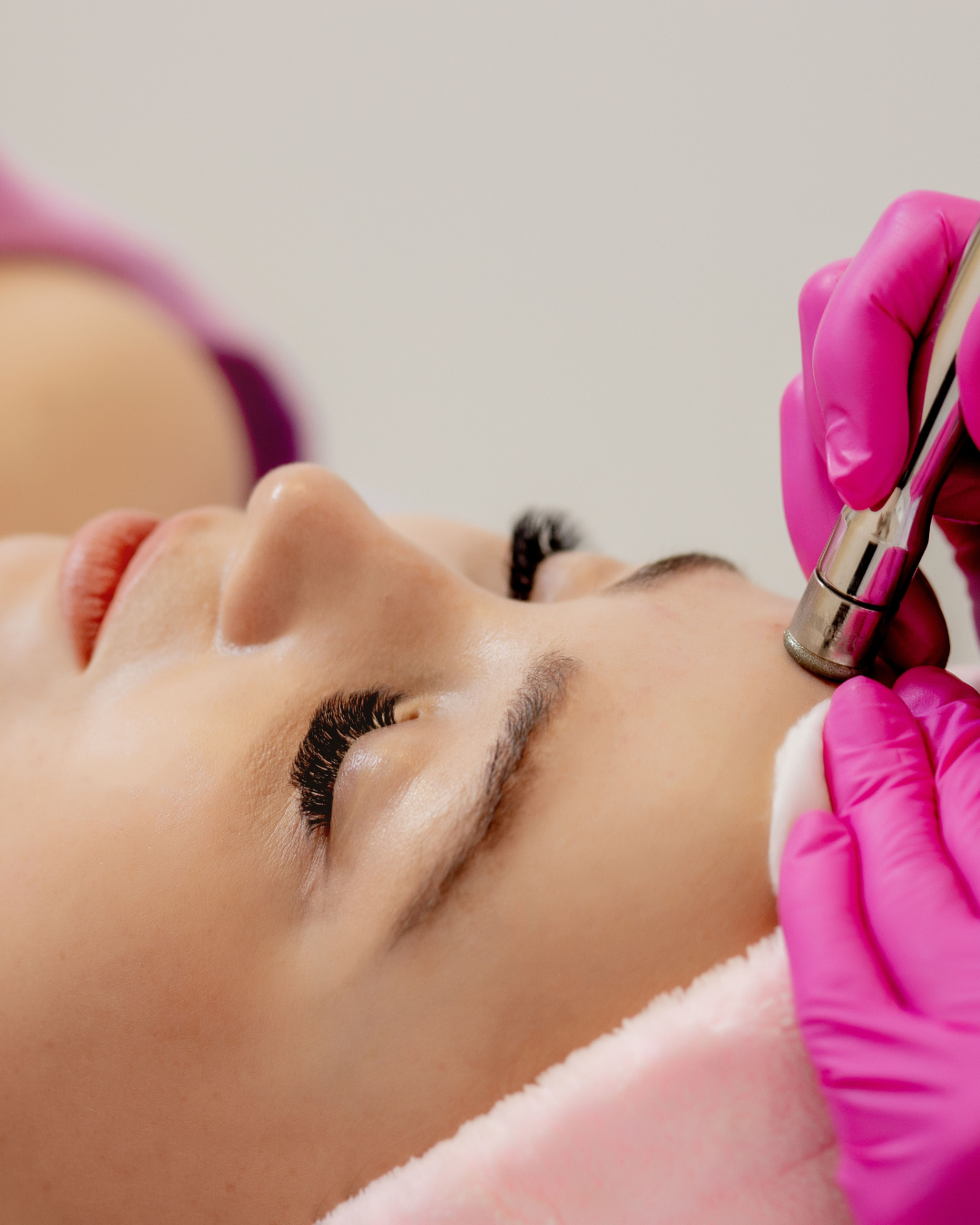
Removing too much of the protective barrier can lead to irritation and sensitivity.
Signs:
Persistent tightness
Stinging when applying products
Flaking beyond normal expectations
Causes:
Too frequent treatments
Aggressive pressure combined with suction
Combining with other exfoliants too soon
Prevention:
Space treatments appropriately
Avoid stacking aggressive exfoliation without advanced training
Recommend barrier-supporting homecare
Healthy skin progression is gradual — not forced.
Post-Inflammatory Hyperpigmentation (PIH)
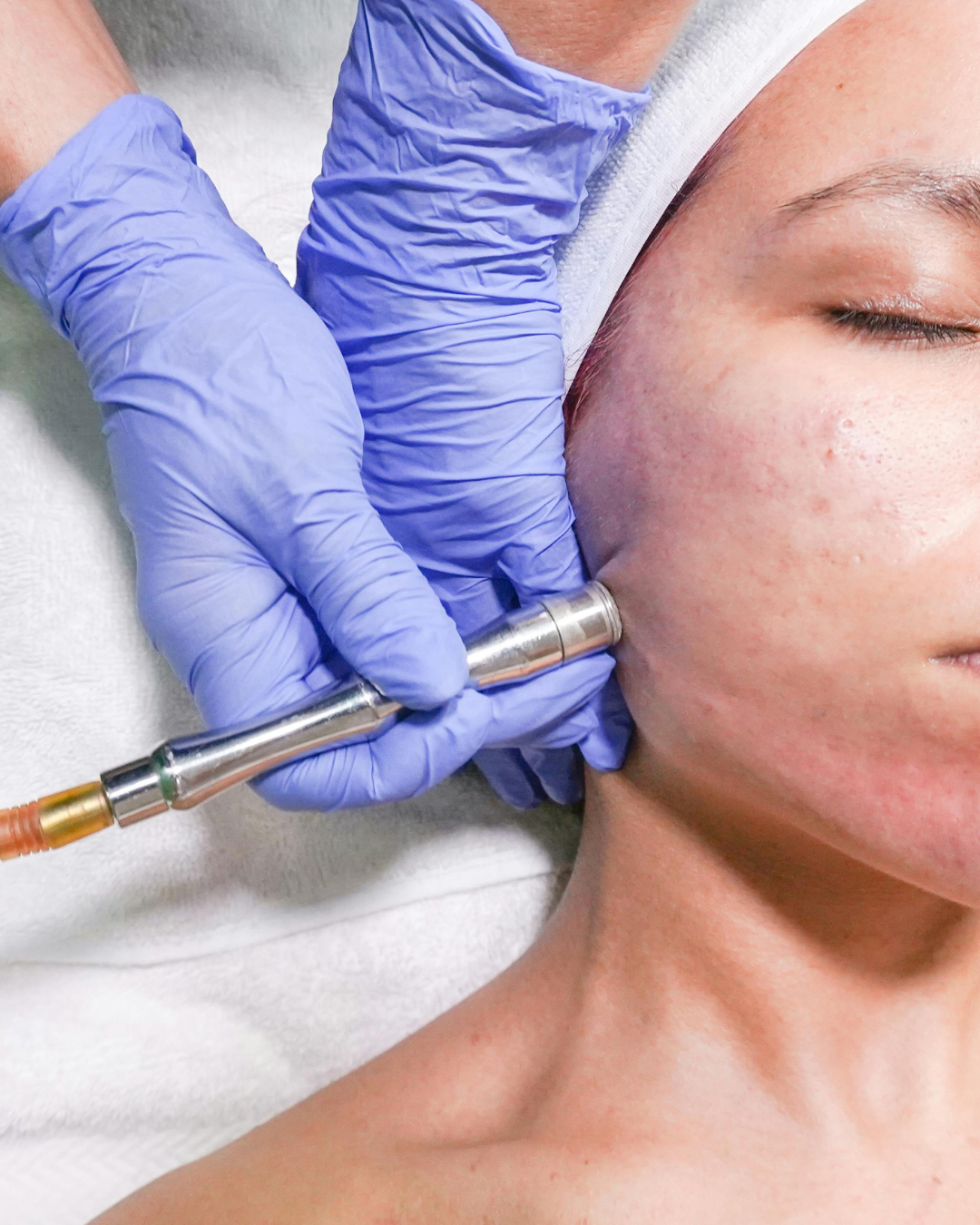
Though less common than with chemical peels, PIH can occur in higher Fitzpatrick skin types if inflammation is excessive.
Causes:
Over-treatment
Failure to screen for recent procedures
Inadequate sun protection post-treatment
Prevention:
Assess Fitzpatrick type carefully
Use conservative suction settings
Emphasize strict SPF compliance
Delay treatment on sensitized skin
Inflammation control is essential in melanin-rich skin.
Breakouts After Treatment
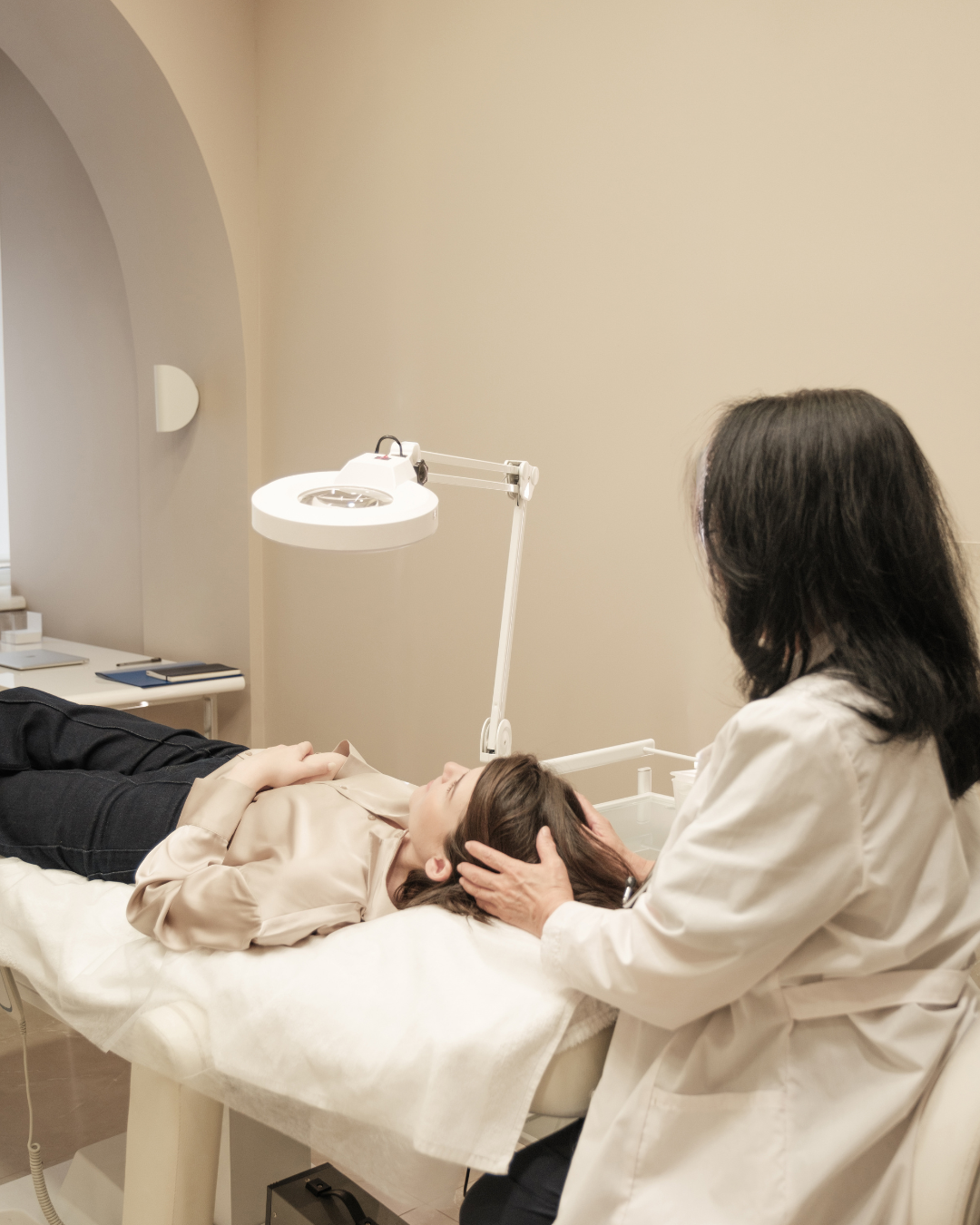
Some clients may experience post-treatment congestion.
Causes:
Improper sanitation
Occlusive post-treatment products
Treating active acne incorrectly
Prevention:
Follow strict sanitation standards
Avoid occlusive heavy products immediately after treatment
Do not treat inflamed pustular acne aggressively
Sanitation and product selection matter.
Infection (Rare but Possible)
When sanitation protocols are not followed, infection risk increases.
Causes:
Improper disinfection of reusable components
Failure to sanitize treatment surfaces
Treating broken or open skin
Prevention:
Follow Colorado sanitation requirements
Disinfect equipment between clients
Avoid treatment on compromised skin
Infection requires immediate medical referral.
Contraindications That Increase Risk
Professionals must screen for:
Active acne inflammation
Rosacea flare-ups
Broken capillaries
Recent chemical peels or laser procedures
Recent isotretinoin use
Compromised barrier function
Failure to screen appropriately significantly increases complication risk.

Scope of Practice & Regulatory Compliance in Colorado
Microdermabrasion falls under manual resurfacing exfoliation within Colorado’s esthetic regulations.
Licensed estheticians must:
Complete required additional training
Maintain documentation of coursework
Follow DORA sanitation and safety standards
Ensure treatments remain superficial and cosmetic
Operating beyond cosmetic scope increases both clinical and legal risk.

Documentation & Risk Management Best Practices
Professional microdermabrasion practice should include:
Detailed consultation forms
Contraindication checklist
Informed consent
Pre-treatment photographs
Clear aftercare instructions
Treatment notes including suction settings and passes
Documentation protects your license and your business.
When to Refer to a Medical Provider
Immediate referral is appropriate if you observe:
Signs of infection
Severe swelling
Persistent discoloration
Delayed healing
Significant capillary damage
Knowing when to refer demonstrates professionalism.

How Advanced Training Reduces Complications
High-quality microdermabrasion training teaches professionals to:
Control suction intensity appropriately
Customize protocols for skin type
Screen for contraindications
Recognize early warning signs
Maintain regulatory compliance
Microdermabrasion may appear simple — but safe, effective practice requires structured education.
Final Takeaway
Microdermabrasion complications are largely preventable when professionals combine:
Conservative technique
Careful screening
Proper sanitation
Ongoing education
Colorado regulatory compliance
In advanced esthetics, safety knowledge builds long-term client trust and career stability.
Elite Aesthetics Academy’s Microdermabrasion Training Program in Denver emphasizes hands-on device control, complication prevention, and full compliance with Colorado requirements to ensure graduates practice confidently and responsibly.
Professional education transforms equipment into expertise — and expertise protects your career.
👉 Explore 600-hour esthetician license program in Denver
Start esthetics Training