What Treatments Can a Medical Esthetician Perform in Colorado?
If you’re considering advanced esthetician or medical aesthetics training in Colorado, one of the most important questions is:
What treatments are legally allowed for a medical esthetician to perform in Colorado?
Understanding your scope of practice — what you can and cannot perform — not only keeps you compliant with state law but also helps you position your services correctly in clinical settings.
📌 Colorado Esthetician Scope of Practice (Basic Rules)
In Colorado, licensed estheticians are governed by the Colorado Office of Barber and Cosmetology Licensure and have a well-defined scope of practice focused on non-invasive, superficial treatments. The emphasis is on enhancing skin health and appearance without penetrating the skin or diagnosing medical conditions.
Estheticians may provide skincare and cosmetic services that affect the epidermis (outermost skin layer) but must avoid deep medical or invasive procedures.
🧴 Common Treatments Licensed Estheticians Can Perform
Here are the treatments typically allowed under Colorado law for licensed estheticians:
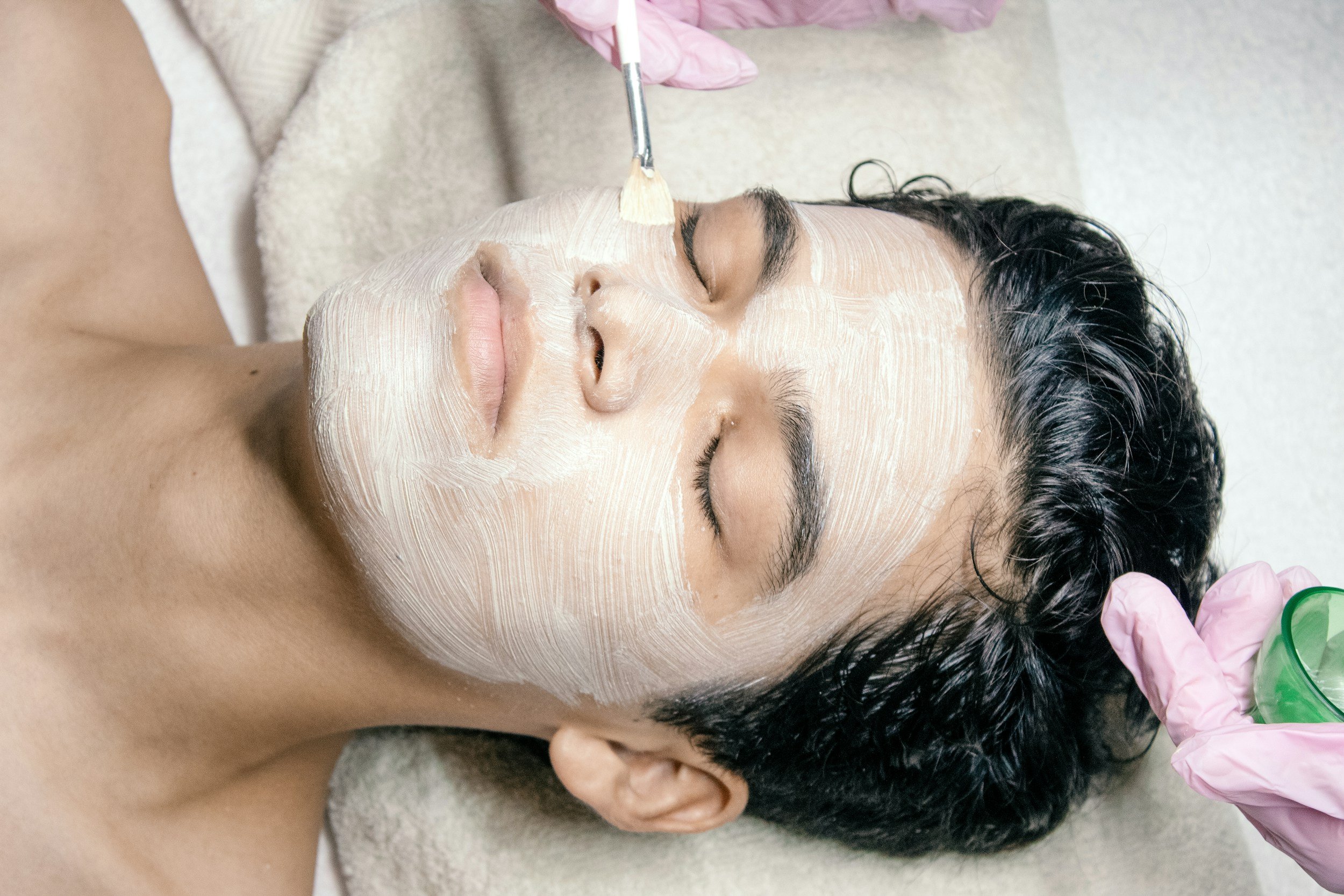
1. Facials & Cosmetic Skin Care
Classic and deep-cleansing facials
Customized skincare treatments
Hydration and anti-aging facials
LED light therapy and non-invasive energy treatments
These services focus on improving skin texture, tone, and hydration at the surface level.
2. Exfoliation & Surface Treatments
Superficial chemical peels
Microdermabrasion
Dermaplaning
Enzyme exfoliation
These procedures remove dead skin cells and improve skin clarity without penetrating into deeper tissue layers.
3. Hair Removal (Cosmetic)
Waxing
Sugaring
Threading
These are considered cosmetic and are permitted within the esthetician’s scope.
4. Skin Enhancement Services
Eyelash and eyebrow tinting
Brow shaping
Makeup application
Skin consultations and maintenance plans
These services improve appearance and client confidence without medical intervention.
⚠️ Limitations on Medical or Invasive Treatments
Colorado law clearly confines esthetician practice to cosmetic services that do not penetrate living tissue or diagnose/treat disease.
This means estheticians cannot independently perform:
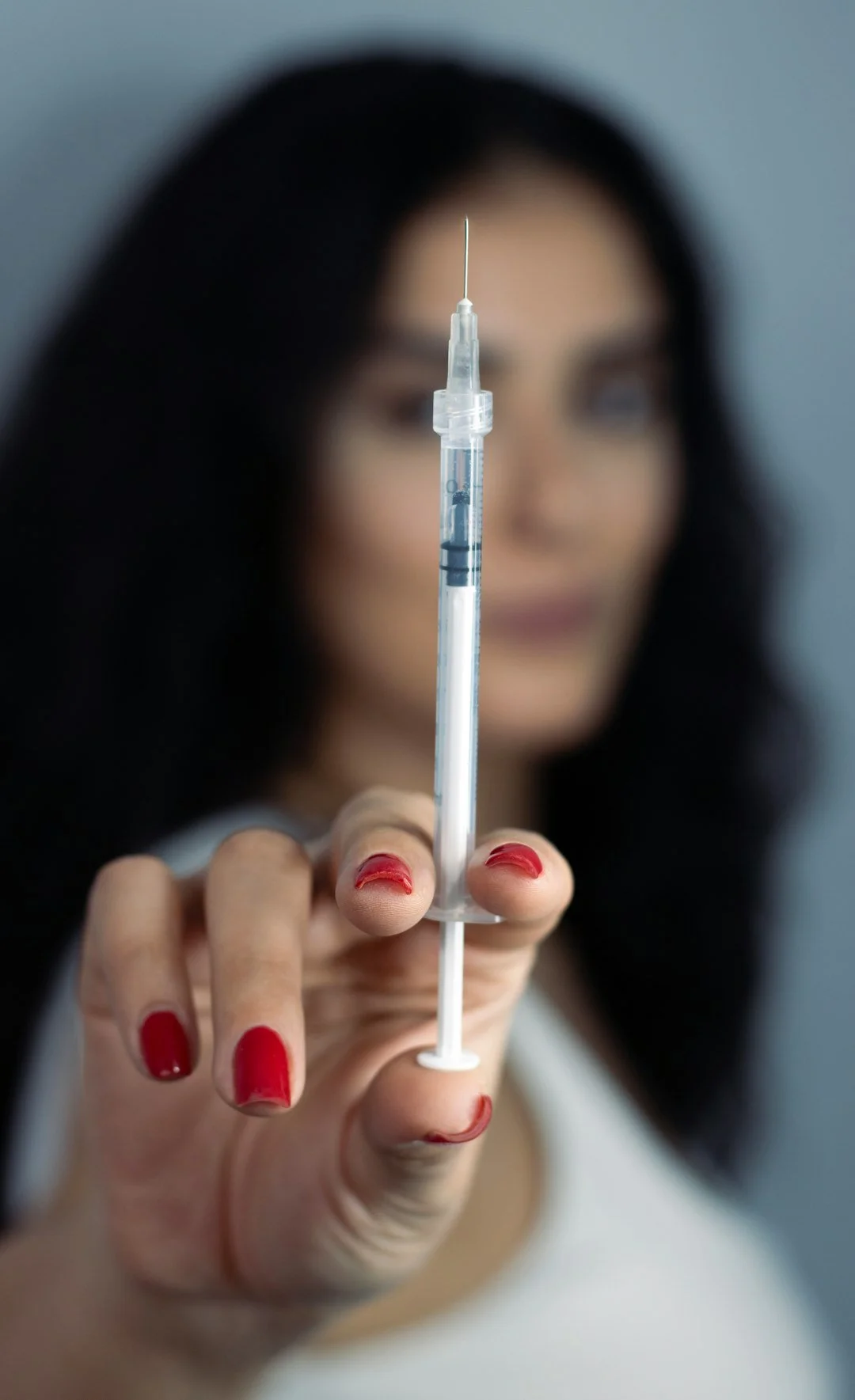
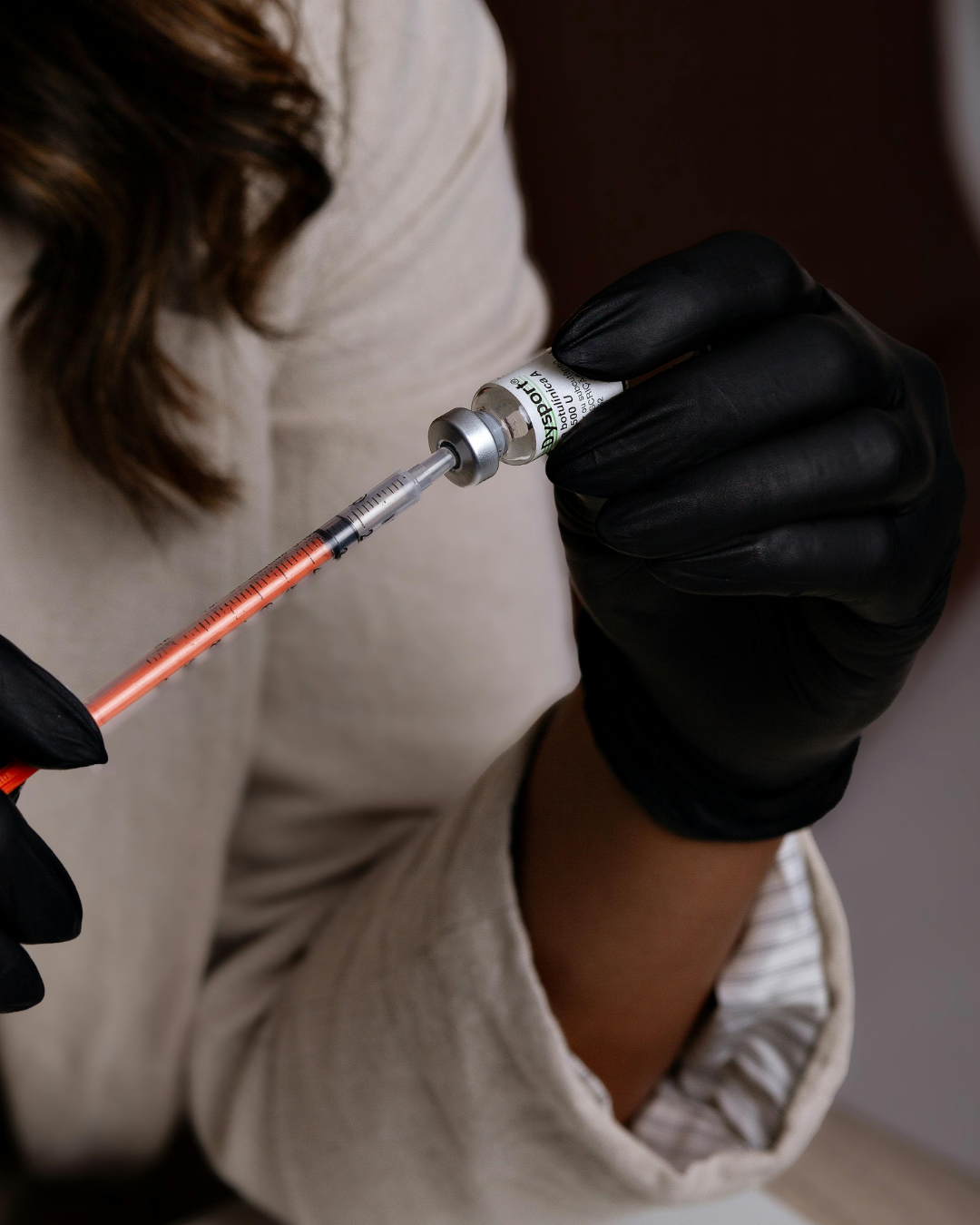
❌ Injectables
Botox, dysport, dermal fillers
These are classified as medical procedures and may only be administered by licensed medical professionals under medical board rules.
❌ Laser & IPL Treatments
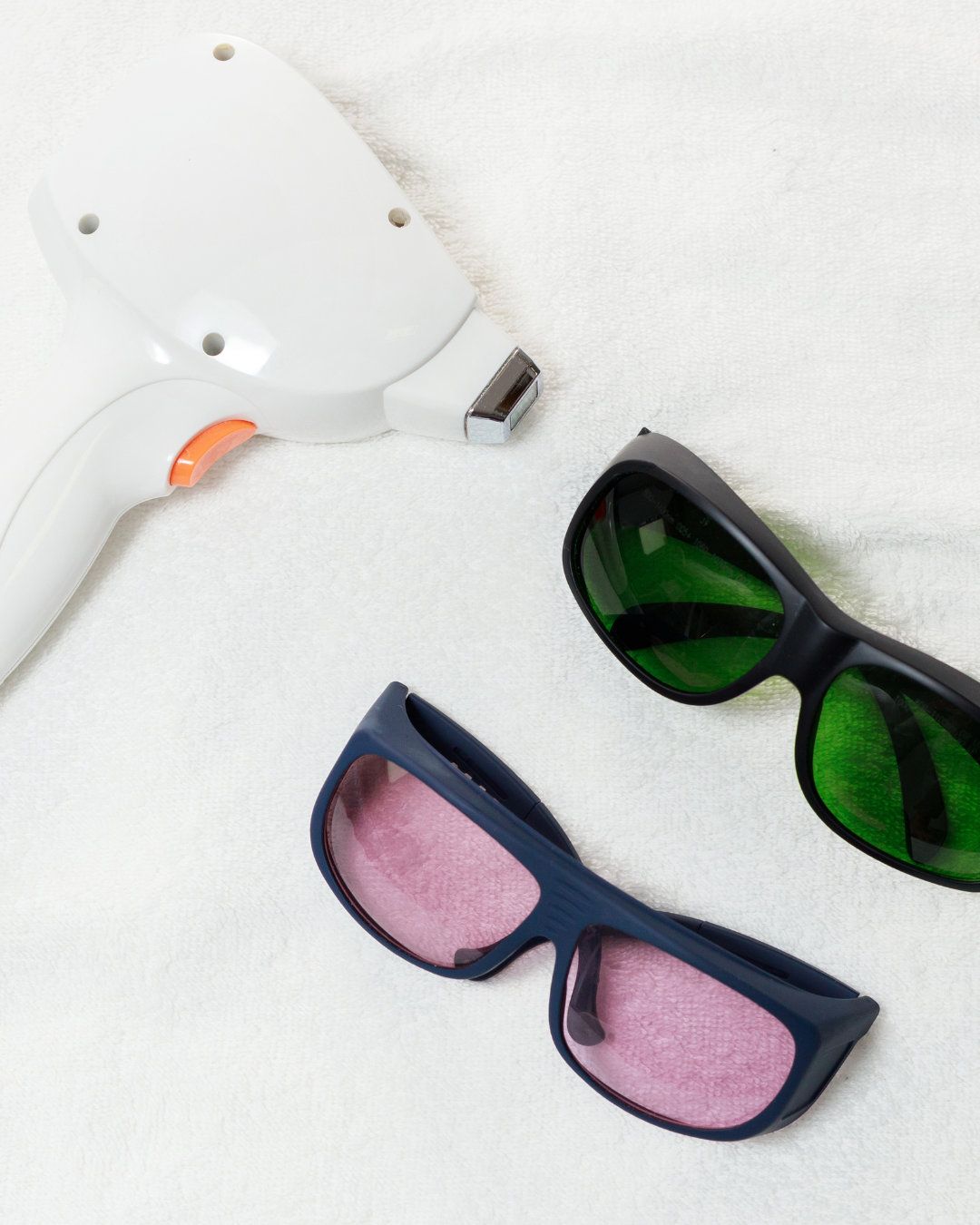
Operations involving lasers or intense pulsed light devices are beyond basic esthetic scope and require delegation and oversight by a licensed physician under Rule 800 (physician-supervised clinical environment).
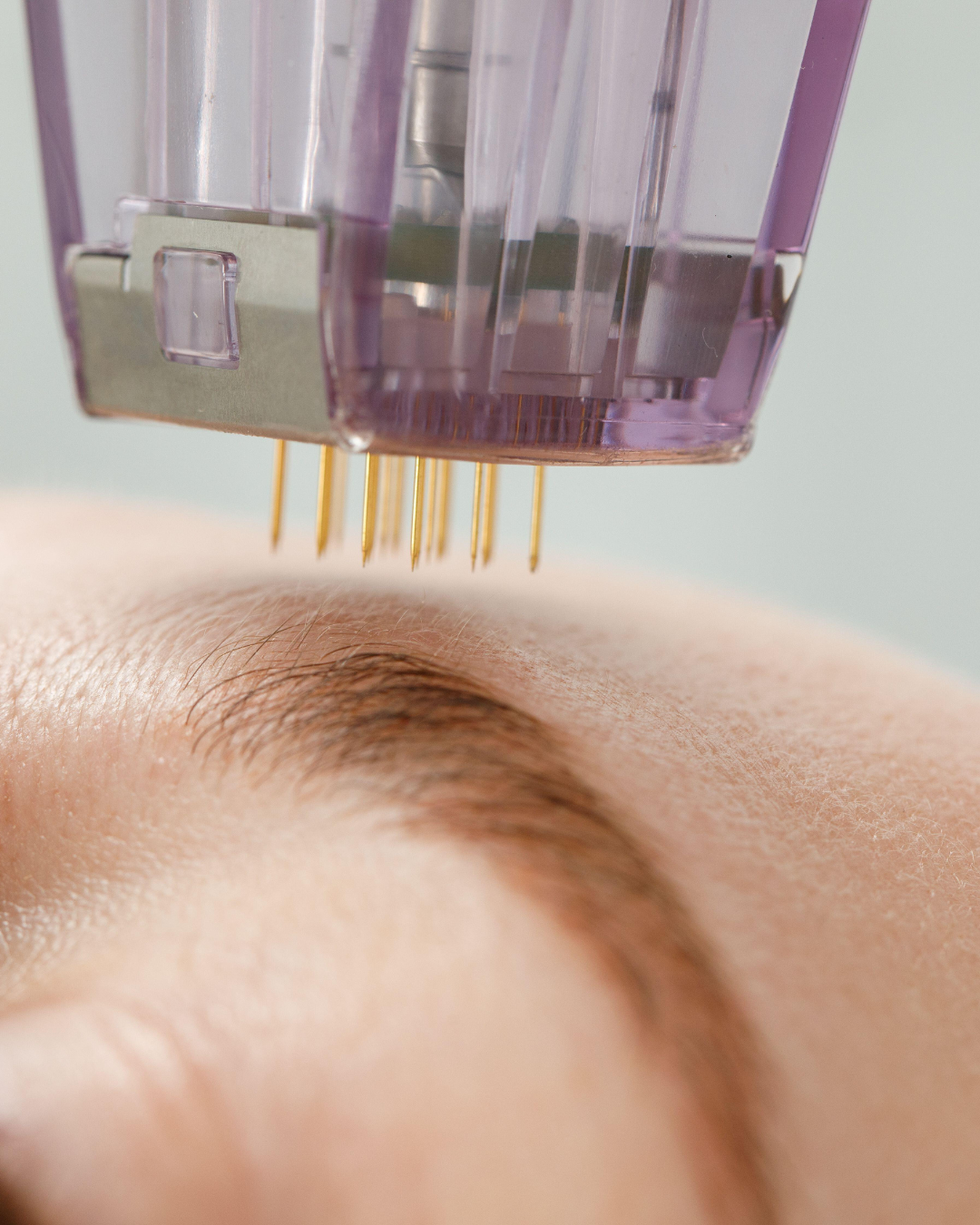
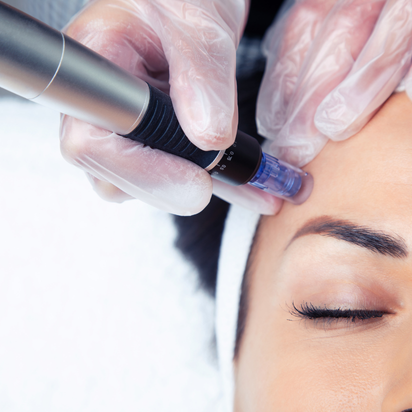
❌ Microneedling (Deep Dermal Penetration)
Treatments that penetrate into the dermis with needles generally fall outside the permitted scope unless performed under medical oversight with appropriate delegation.
❌ Prescribing or Administering Prescription Medications
Estheticians are not allowed to prescribe or administer prescription acne treatments or medications.

🩺 How Clinical Settings Expand Treatment Opportunities
While estheticians have a defined independent scope, working in a medical spa, dermatology clinic, or physician-supervised setting can extend the treatments you participate in — under delegation and medical direction.
Under Rule 800 of the Colorado Medical Board, medical providers (physicians, nurse practitioners, PAs, and some nurses) may supervise or delegate certain medical-aesthetic services, provided protocols and competency documentation are in place.
In such environments, estheticians may assist with or support:
Pre- and post-laser skincare management
Clinical skincare protocols
Device safety preparation
Client assessments and aftercare
…but they cannot independently perform procedures that require medical authority.

Why This Matters for Your Career
Understanding what treatments you can perform — and which require medical oversight — is crucial for:
Compliance with Colorado law
Marketing your services accurately
Positioning yourself for employment in medspas or clinics
Deciding what advanced training to pursue next
Esthetics education builds a legal and professional foundation — and advanced medical aesthetics training expands your skills within permitted environments.

Conclusion
Licensed estheticians in Colorado are permitted to perform a range of cosmetic, non-invasive treatments that enhance skin appearance and client experience:
✔ Facials and skincare services
✔ Superficial exfoliation
✔ Hair removal
✔ Cosmetic enhancements like tinting and makeup
However, medical procedures — including injectables, laser treatments, deep microneedling, and prescription medication administration — must be performed by appropriately licensed medical professionals or delegated under medical supervision.
Advanced training helps you stand out in clinical settings and positions you to support high-value treatments, even if some require collaboration with medical providers.

👉 Explore Advanced esthetics Training in Denver
Start Advanced esthetics Training