Best Esthetician Schools in Colorado (2026 Guide: How to Choose the Right Program)
If you are researching the best esthetician schools in Colorado, you are likely serious about starting a professional skincare career.
Choosing the right program is one of the most important decisions you will make. Colorado requires completion of a 600-hour esthetician license program approved by the Colorado Department of Regulatory Agencies (DORA). However, not all schools provide the same level of preparation, hands-on experience, or career support.
This guide will help you evaluate esthetician schools in Colorado so you can confidently choose the program that aligns with your goals.
What Makes an Esthetician School “The Best”?
The best school is not simply the cheapest or the closest to home. It is the one that prepares you to:
Pass your licensing exam
Develop real clinical confidence
Enter the workforce competitively
Build long-term earning potential
Here are the key factors to evaluate.
State Approval and Licensing Compliance (DORA) and DPOS APPROVED
Before anything else, verify that the program is:
✔ Approved to provide Colorado’s required 600 clock hours
✔ Structured to prepare students for the state licensing exam
✔ Transparent about graduation and licensure processes
Without DORA-approved education, you cannot legally become licensed in Colorado.
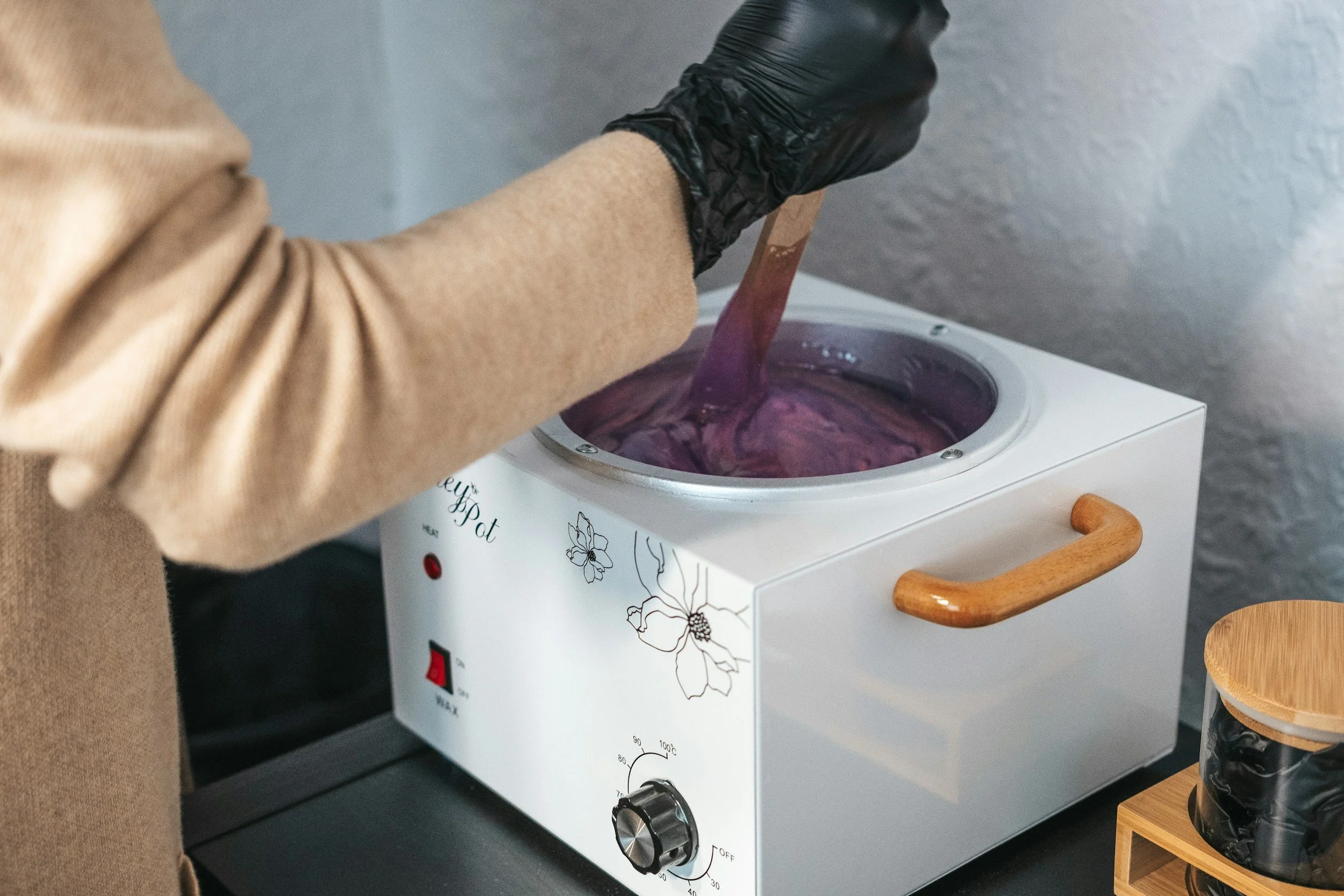
Hands-On Clinical Training
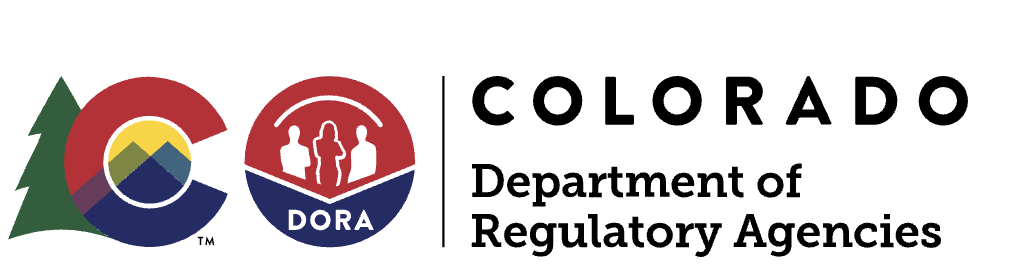
Esthetics is a hands-on profession.
Ask:
How many live model hours are included?
Do students perform full treatments independently before graduation?
Is instructor supervision active and consistent?
Are sanitation protocols emphasized?
Programs that rely heavily on theory without structured clinical repetition may leave graduates underprepared.
Confidence comes from repetition.
Curriculum Depth
All Colorado programs must meet the 600-hour requirement — but curriculum depth varies.
Look for coverage in:
Skin anatomy and physiology
Contraindications and safety screening
Treatment customization
Waxing techniques
Professional product knowledge
Client consultation training
Business fundamentals
A strong program prepares you for real-world scenarios — not just textbook knowledge.
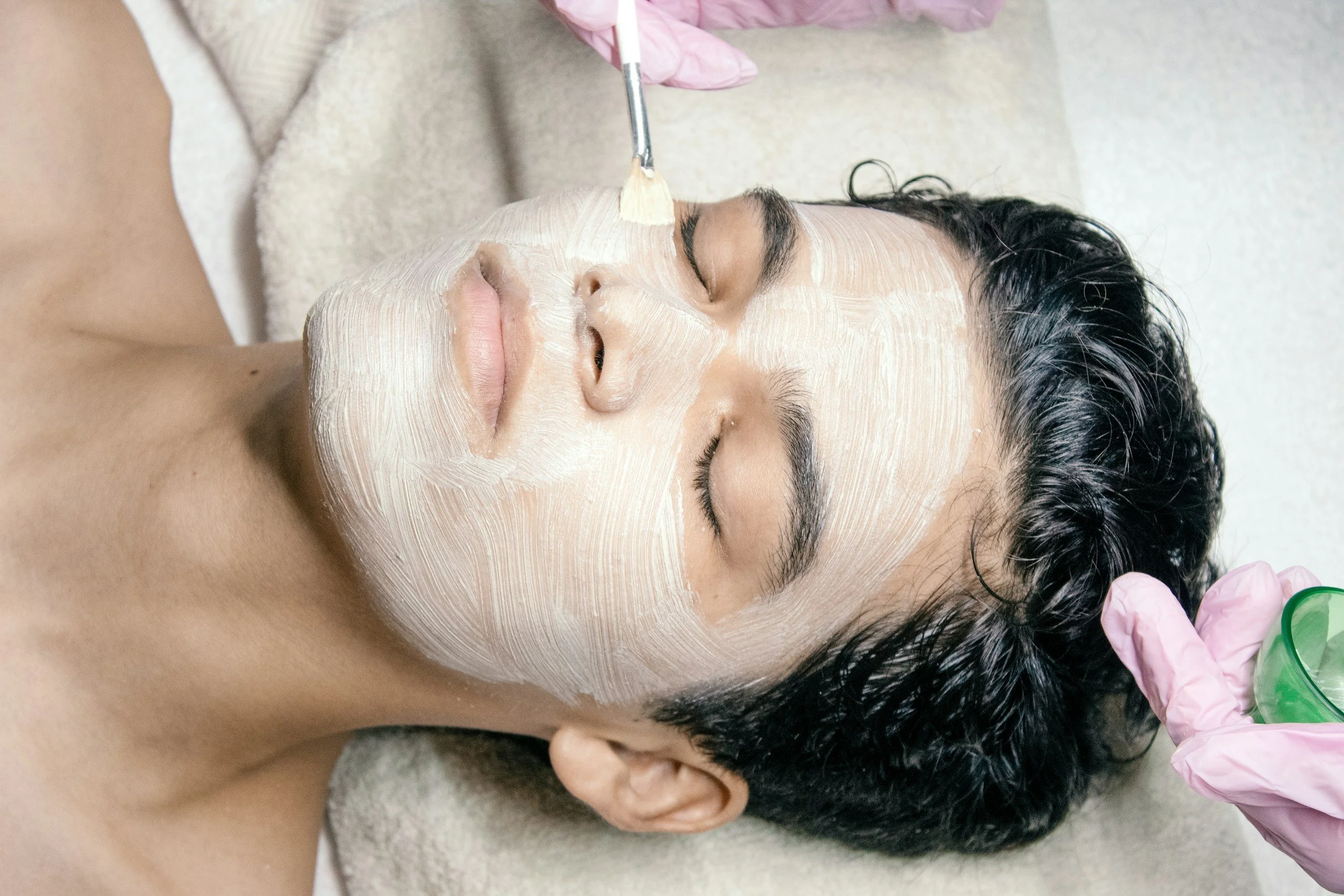
Class Size and Instructor Access
Smaller class sizes often allow for:
More individualized feedback
Better skill correction
Stronger mentorship relationships
Ask about student-to-instructor ratios and how practical exams are evaluated.

Career Preparation and Job Readiness
The best esthetician schools prepare you for employment — not just graduation.
Consider whether the program provides:
Resume guidance
Interview preparation
Portfolio building
Exposure to medspa environments
Networking opportunities
Schools that emphasize career readiness often produce more confident graduates.
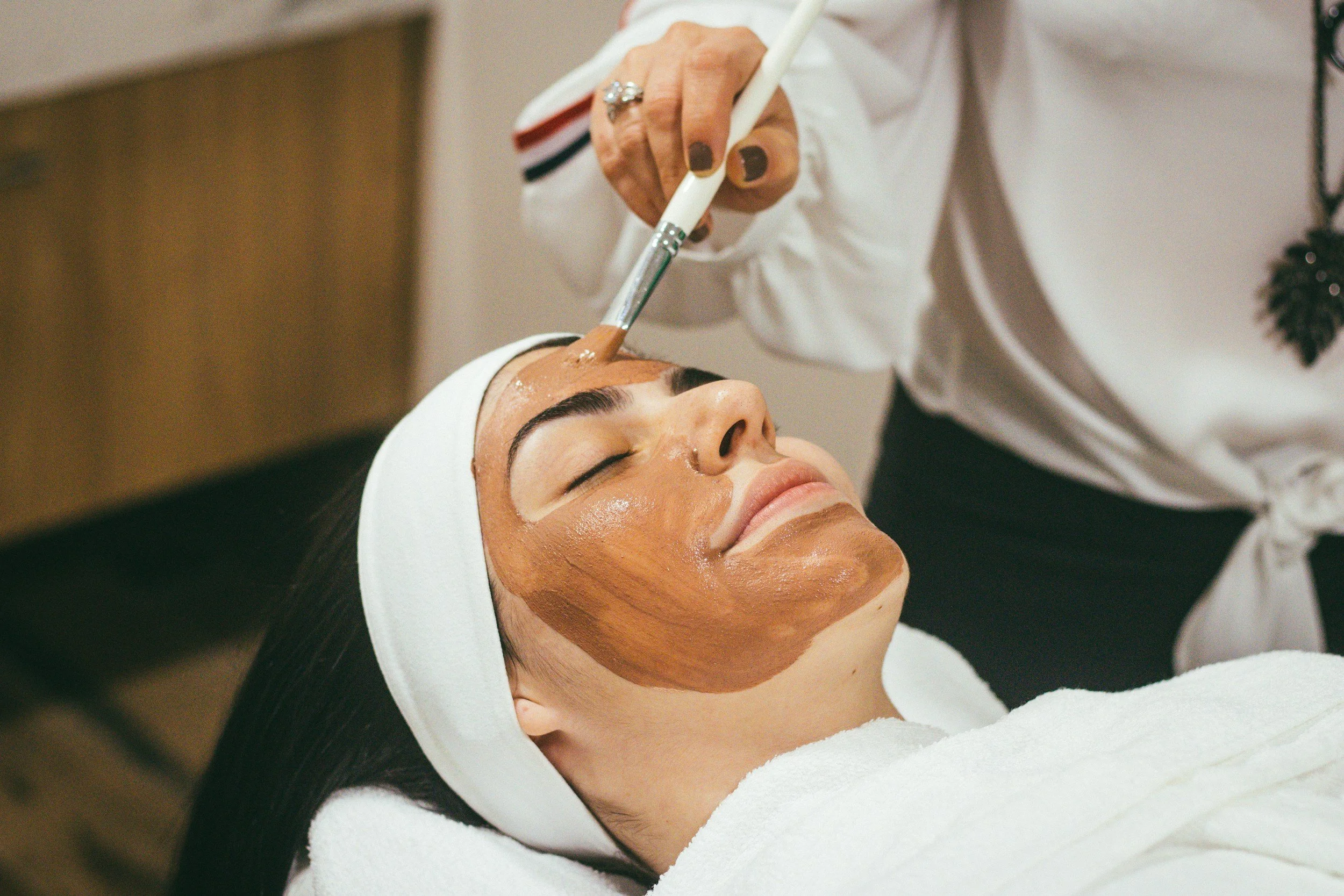
Reputation and Professional Environment
Research:
Online reviews
Graduate testimonials
Social media presence
Cleanliness and professionalism of facilities
Visit the campus if possible. Observe how instructors interact with students and how treatments are supervised.

Schedule Flexibility and Completion Timeline
Most full-time students complete 600 hours in approximately 4–6 months.
Ask about:
Day vs evening programs
Attendance policies
Make-up hour procedures
Estimated graduation timelines
A structured program helps you progress efficiently toward licensure.
Cost vs Value
Tuition is important — but value matters more than price alone.
When comparing programs, consider:
What is included in tuition?
Are kits and supplies covered?
Is exam preparation included?
Does the school provide career support?
A lower-cost program that lacks hands-on training or career preparation may cost more long-term in lost opportunities.

Red Flags to Watch For
When researching esthetician schools in Colorado, be cautious if you notice:
Lack of clarity about DORA approval
Minimal live model training
Overcrowded classrooms
Poor sanitation standards
No discussion of career pathways
Professional education should reflect professional standards.

Why Education Quality Impacts Your Income
Your first job, confidence level, and earning potential are directly influenced by your training quality.
Strong foundational education allows you to:
Perform treatments safely
Retain clients consistently
Advance into medical aesthetics or advanced certifications
Eventually start your own business
The right school accelerates long-term growth.
Choosing the Right Esthetician School in Denver
When comparing esthetician schools in Denver and throughout Colorado, prioritize programs that emphasize:
DORA-compliant 600-hour education
Structured clinical training
Professional consultation skills
Clear career pathways
Support beyond graduation
Elite Aesthetics Academy’s 600-Hour Esthetician License Program in Denver is designed to meet Colorado regulatory standards while preparing students with hands-on experience, professional mentorship, and career-focused guidance.
If you are serious about building a long-term esthetician career in Colorado, choosing the right education program is your first and most important investment.
Final Takeaway
The “best” esthetician school in Colorado is the one that prepares you for licensure, builds clinical confidence, and supports your long-term career goals.
Before enrolling, ask detailed questions, tour facilities, and evaluate programs carefully.
Your education is the foundation of your esthetician career — choose wisely.
👉 Explore 600-hour esthetician license program in Denver
Start esthetics Training