Chemical Peel Complications: What Professionals Should Know (Clinical Safety Guide 2026)
Chemical peels are highly effective corrective treatments — but when performed improperly, without proper screening, or outside of scope, they can lead to complications.
For licensed estheticians and medical aesthetics professionals in Colorado, understanding potential risks is not optional. It is essential for client safety, regulatory compliance, and professional credibility.
This guide outlines the most common chemical peel complications, how to prevent them, and when referral to a medical provider is necessary.
Why Complication Awareness Matters
Chemical peels intentionally create controlled injury to stimulate skin renewal. The difference between a successful result and a complication often depends on:
Proper client selection
Accurate skin assessment
Correct acid choice and strength
Application timing
Post-treatment care instructions
Staying within Colorado scope-of-practice regulations
Professional training reduces risk — but ongoing vigilance is critical.
Most Common Chemical Peel Complications
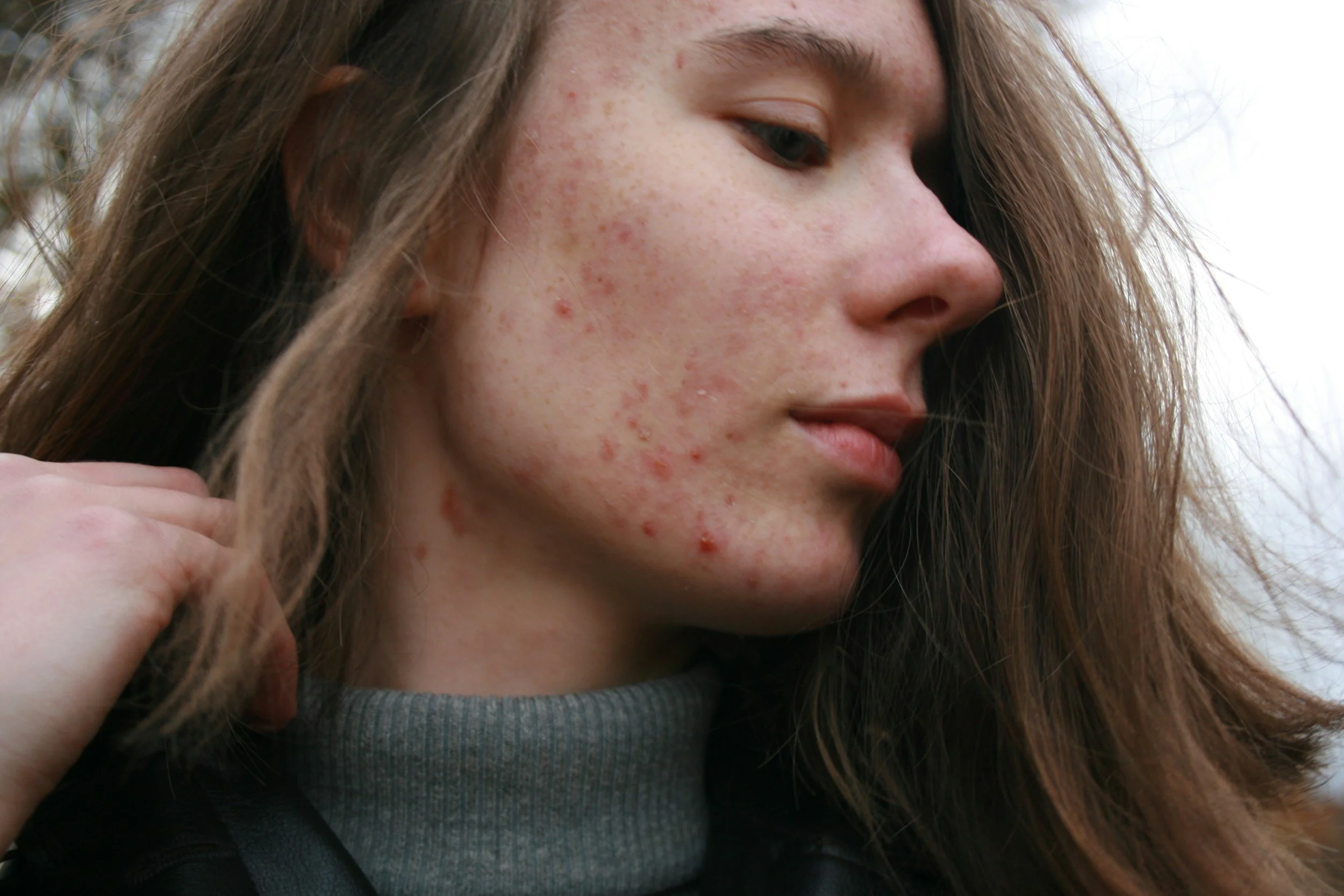
Post-Inflammatory Hyperpigmentation (PIH)
One of the most common complications, especially in Fitzpatrick IV–VI skin types.
Causes:
Overly aggressive peel selection
Insufficient pre-treatment preparation
Sun exposure after treatment
Inflammation due to improper timing
Prevention:
Careful Fitzpatrick assessment
Pre-treatment pigment suppression protocols when appropriate
Strict SPF compliance
Conservative peel progression
PIH risk increases with deeper penetration and improper aftercare.
Over-Exfoliation / Barrier Damage
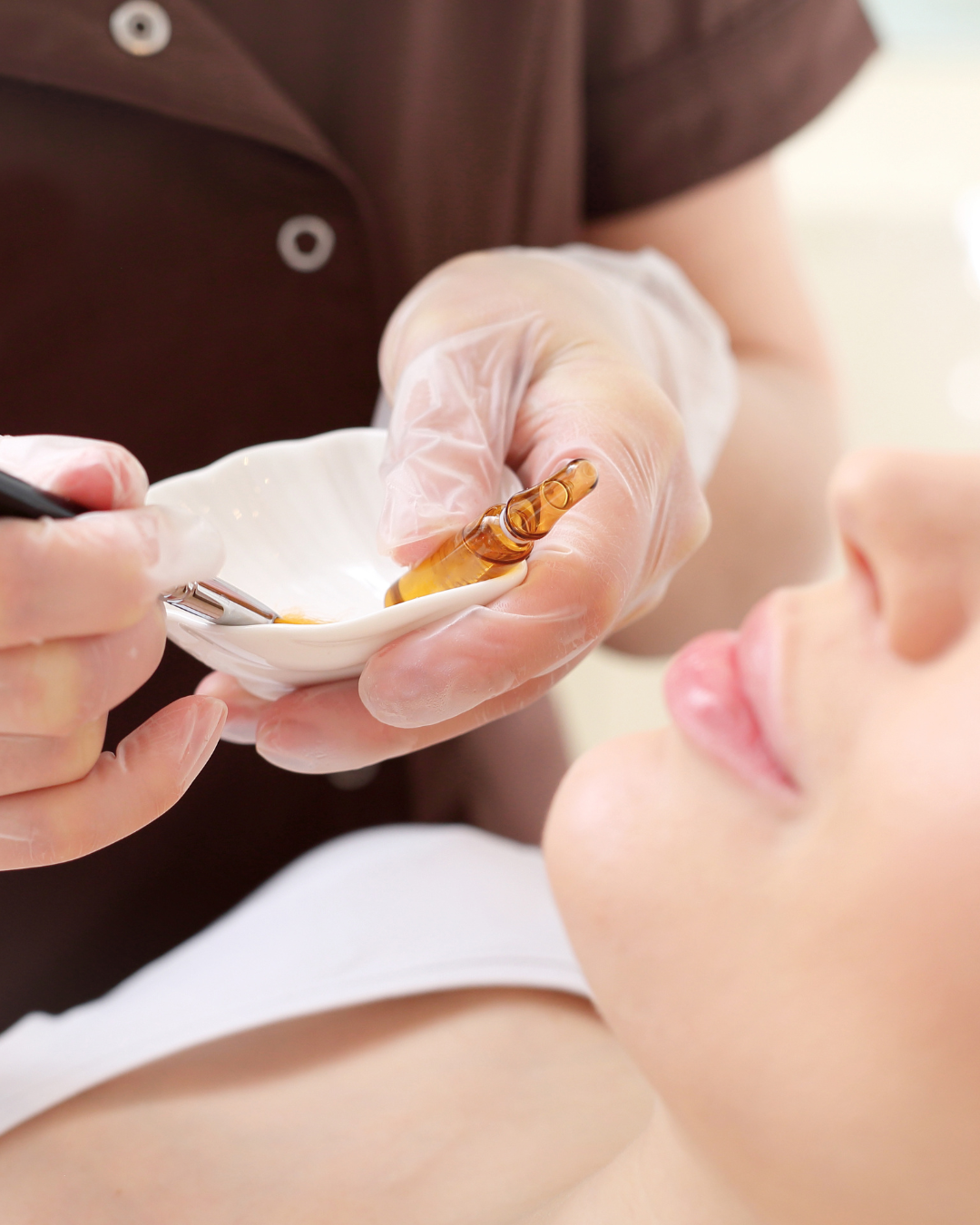
Excessive peeling can compromise the skin barrier.
Signs:
Persistent erythema
Tightness
Cracking or excessive dryness
Delayed healing
Causes:
Over-layering
Incorrect pH strength selection
Performing peels too frequently
Prevention:
Accurate timing protocols
Conservative layering
Spacing treatments appropriately
Barrier repair education is essential for post-peel care.
Chemical Burns
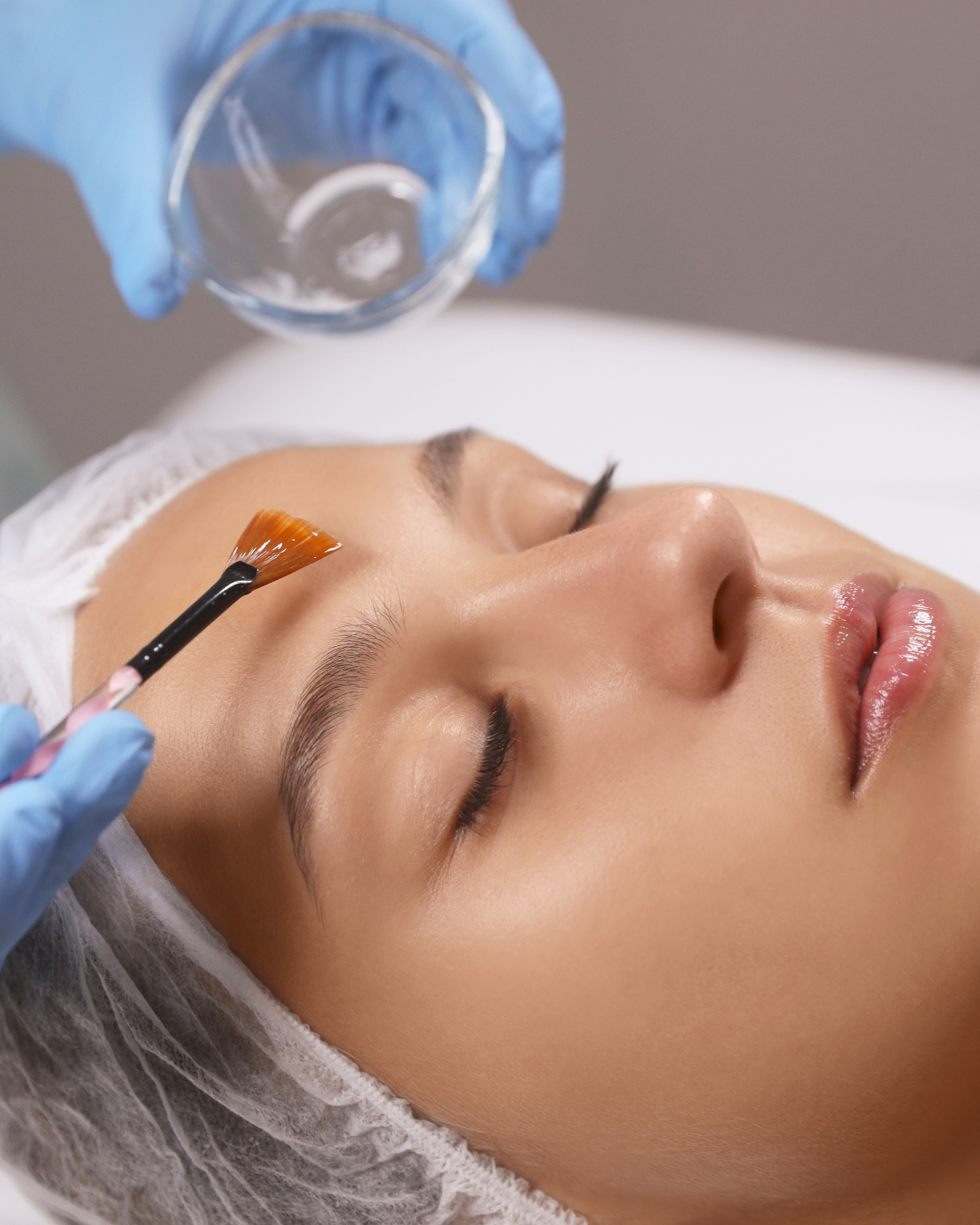
Burns occur when acid penetration exceeds intended depth.
Causes:
Excessive concentration
Improper neutralization timing
Failure to recognize skin response
Compromised skin barrier prior to treatment
Prevention:
Thorough contraindication screening
Patch testing when appropriate
Immediate neutralization if adverse reaction observed
Strict adherence to manufacturer guidelines
Burn management may require medical referral depending on severity.
Persistent Erythema
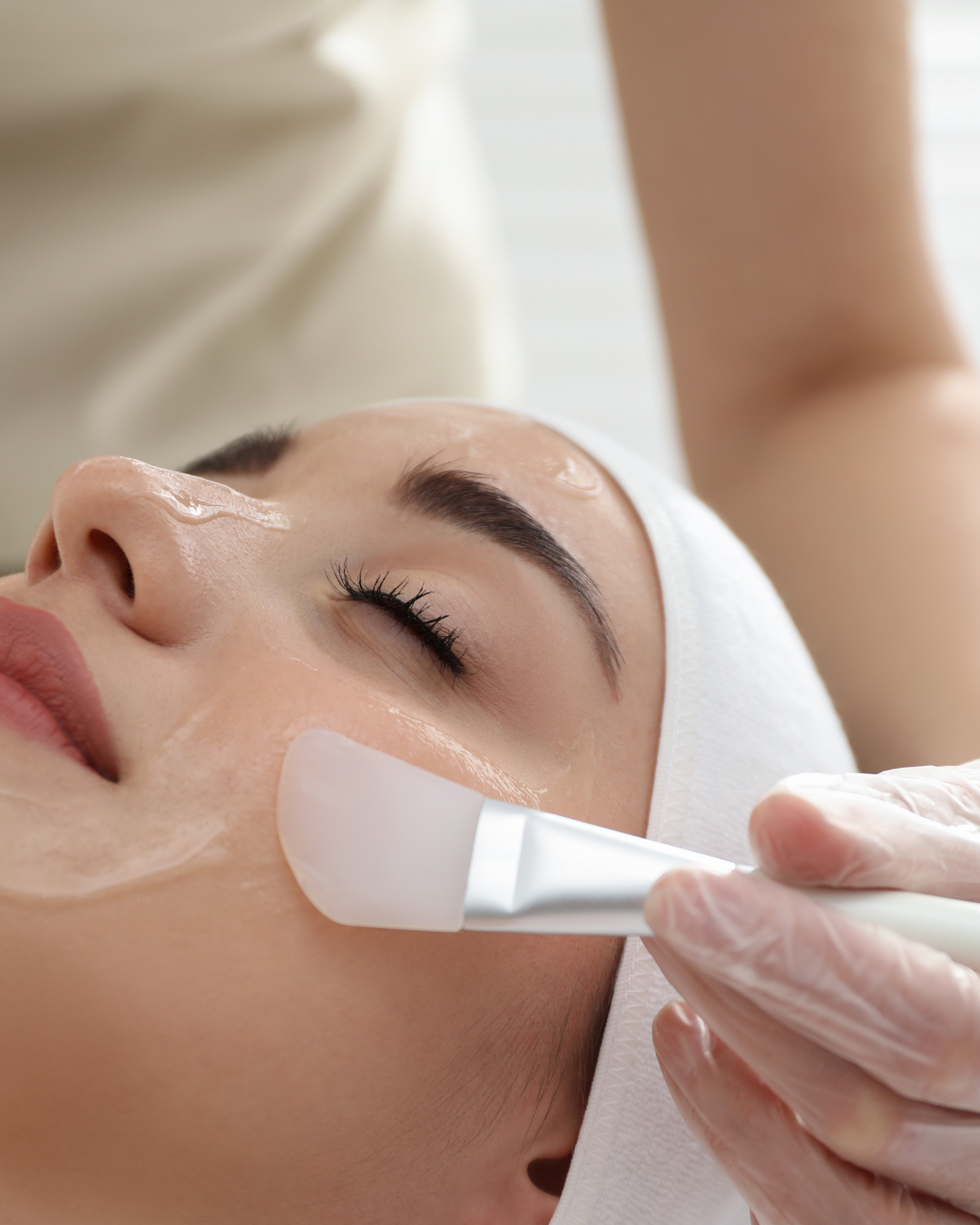
Prolonged redness beyond expected recovery timeframe.
Causes:
Excessive depth
Repeated trauma to compromised skin
Improper aftercare
Prevention:
Avoid aggressive protocols on sensitized skin
Emphasize post-care compliance
Allow full healing between sessions
Infection
Though uncommon with proper sanitation, infection is possible.
Causes:
Poor disinfection protocols
Client picking or improper homecare
Treating open lesions
Prevention:
Strict sanitation procedures
Clear aftercare instructions
Avoid treatment on active infection
Infection always warrants medical referral.
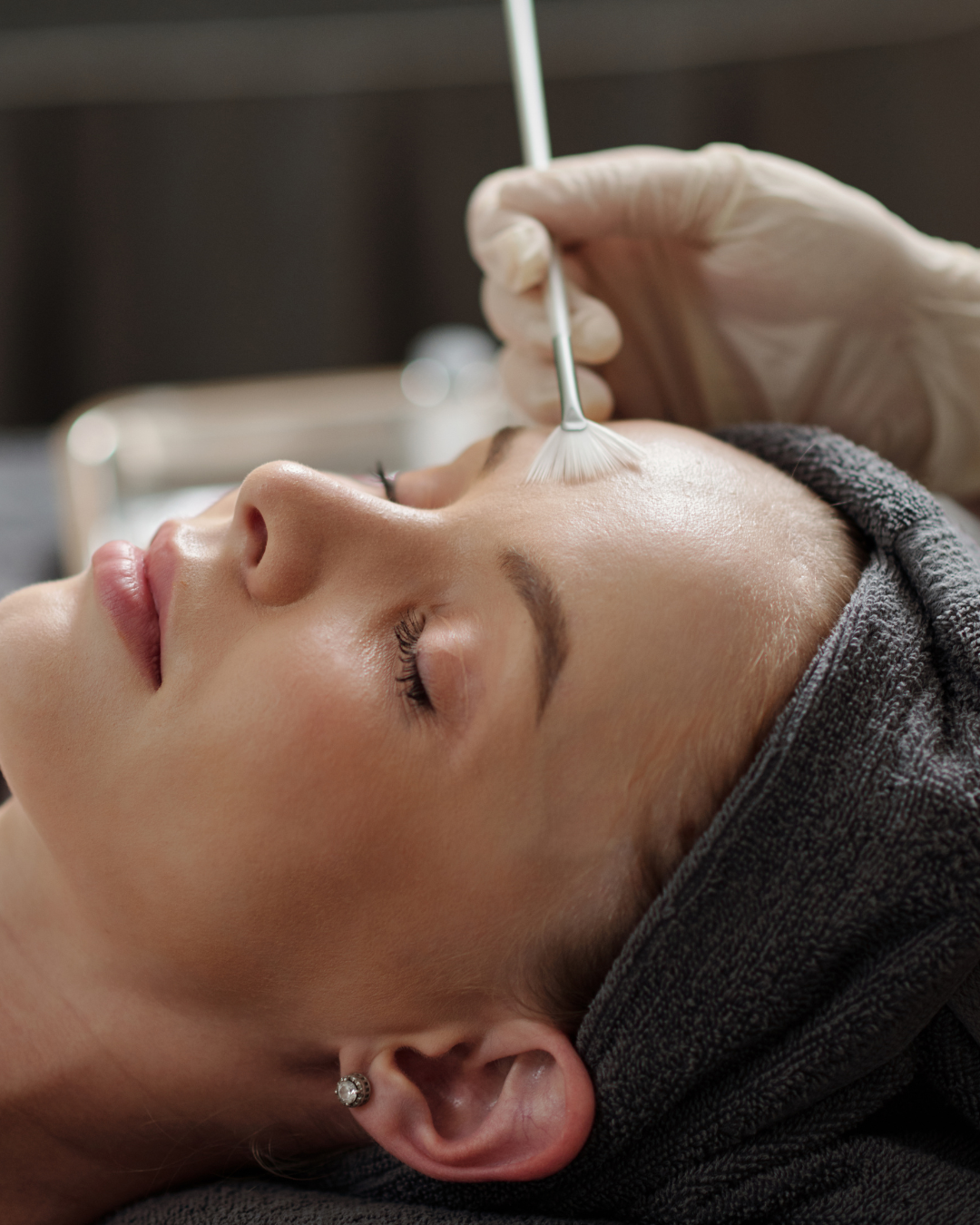
Contraindications That Increase Risk
Professionals must screen for:
Active herpes simplex
Recent isotretinoin use
Compromised barrier
Autoimmune disorders
Pregnancy considerations (depending on acid type)
Recent laser or resurfacing treatments
Failure to screen properly significantly increases complication risk.
Scope of Practice and Risk in Colorado
Under Colorado regulations governed by the Department of Regulatory Agencies (DORA), licensed estheticians may perform superficial chemical peels within their training and scope.
More aggressive or deeper resurfacing procedures may require medical oversight.
Attempting to perform procedures beyond scope not only increases complication risk — it also risks disciplinary action.
Operating within legal boundaries protects your license and your clients.
Documentation and Risk Management
Professional peel practice should include:
Detailed consultation forms
Contraindication screening checklist
Informed consent documentation
Pre-treatment photographs
Post-treatment notes
Clear written aftercare instructions
Thorough documentation protects both practitioner and client.
When to Refer to a Medical Provider
Immediate referral is appropriate if you observe:
Blistering beyond expected response
Signs of infection
Severe swelling
Delayed healing
Unexpected pigmentation changes
Knowing when to refer is a sign of professionalism — not weakness.
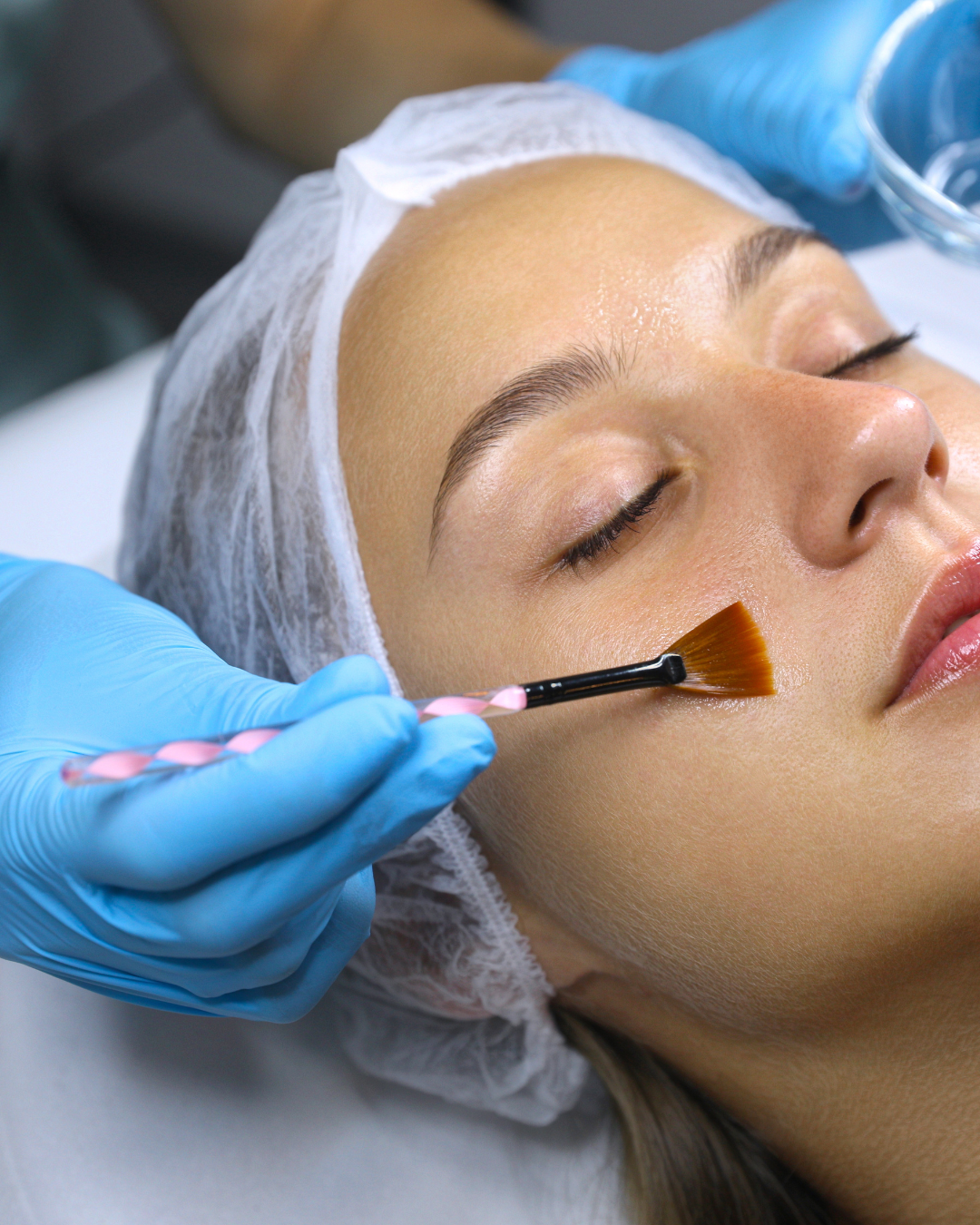
How Advanced Training Reduces Complications
Comprehensive chemical peel education teaches professionals to:
Interpret pH and free acid value correctly
Adjust protocols based on skin type
Layer conservatively
Recognize early warning signs
Customize corrective programs safely
Advanced training transforms peel application from product use into clinical decision-making.
Final Takeaway
Chemical peel complications are preventable when professionals combine:
Strong foundational education
Careful client screening
Conservative treatment progression
Regulatory compliance
Ongoing professional development
The difference between average and expert practitioners is not just results — it is safety awareness.
Elite Aesthetics Academy’s Chemical Peel Training Program in Denver emphasizes risk reduction, complication recognition, and Colorado scope-of-practice compliance to ensure graduates practice safely and confidently.
In corrective skincare, knowledge is protection.
👉 Explore 600-hour esthetician license program in Denver
Start esthetics Training