Common Mistakes New Injectors Make (And How to Avoid Them)
Entering the world of aesthetic injectables is exciting — but it also carries significant responsibility. Botox and dermal filler treatments require precision, anatomical knowledge, and strong clinical judgment.
For new injectors in Colorado, avoiding early mistakes is critical for building confidence, protecting patient safety, and establishing a strong professional reputation.
This guide outlines the most common mistakes new injectors make — and how proper training and mentorship help prevent them.
1. Underestimating Facial Anatomy
One of the most serious mistakes new injectors make is relying on memorized injection points rather than fully understanding facial anatomy.
Injectables require knowledge of:
Musculature and muscle movement patterns
Vascular pathways and danger zones
Nerve distribution
Depth of injection planes
How to Avoid It
Complete in-depth anatomy training before injecting independently
Study vascular danger zones extensively
Continue anatomy education beyond initial certification
Seek mentorship during your first year of practice
Strong anatomy knowledge is the foundation of safe, effective injections.
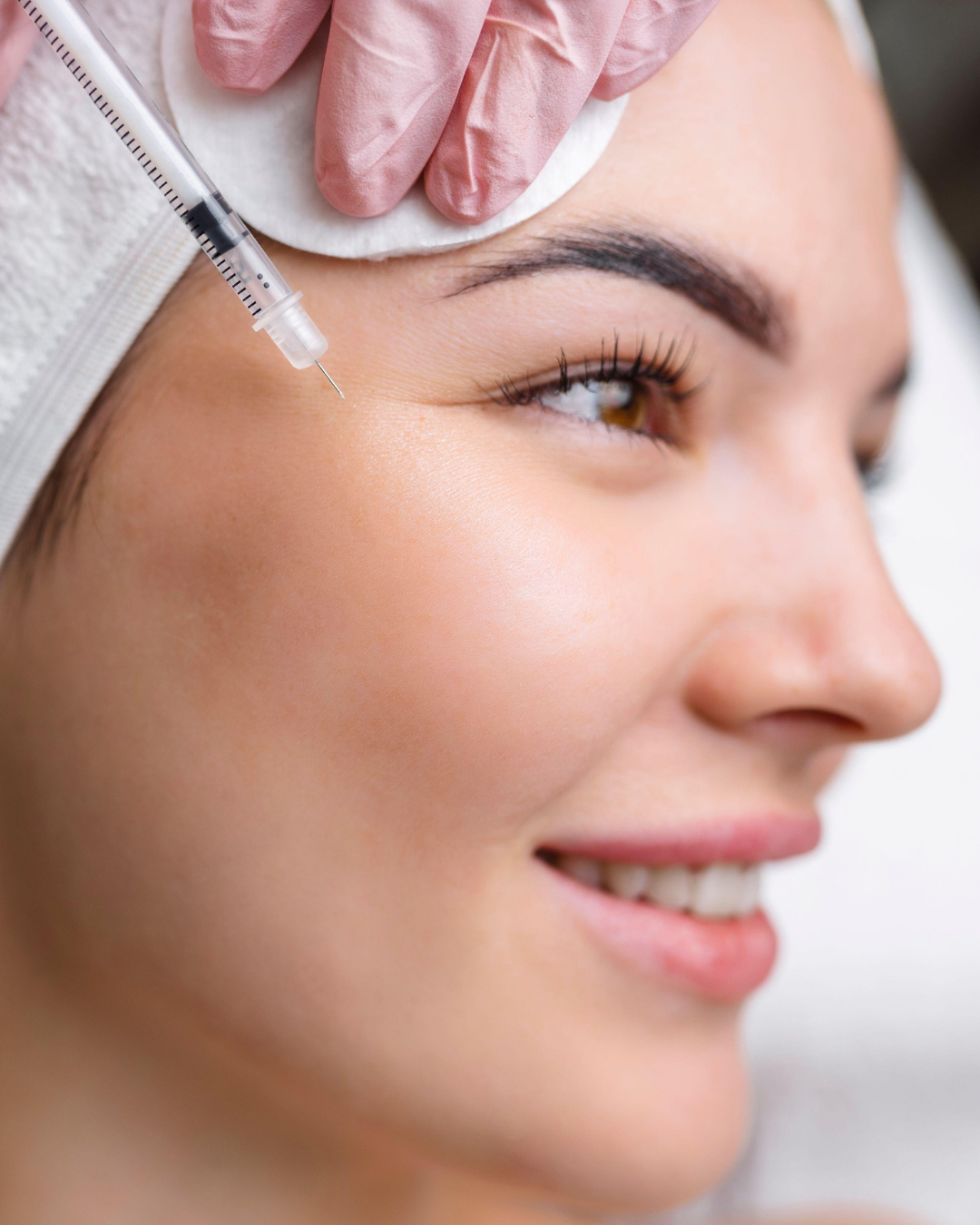
2. Over-Treating or Over-Filling
New injectors may feel pressure to deliver dramatic results. This can lead to:
Overfilling lips or cheeks
Over-relaxing muscles with neuromodulators
Creating unnatural facial balance
Aesthetic medicine favors subtle, natural enhancements.
How to Avoid It
Start conservatively with dosing and volume
Follow the “less is more” approach
Schedule follow-up appointments for reassessment
Focus on long-term treatment planning instead of single-session transformation
Natural-looking results build trust and client retention.
3. Inadequate Consultation Skills
Some new injectors focus heavily on technique but overlook consultation quality.
Common consultation mistakes include:
Not setting realistic expectations
Skipping thorough medical history reviews
Failing to explain risks and aftercare
Not documenting treatment plans clearly
How to Avoid It
Develop structured consultation protocols
Practice patient communication during training
Provide written aftercare instructions
Document everything thoroughly
Professional consultation skills are just as important as injection technique.

4. Poor Complication Recognition
Complications in injectables are rare when performed properly — but they can occur.
New injectors may fail to recognize early signs of:
Vascular occlusion
Excessive swelling or blanching
Asymmetry requiring correction
Ptosis (eyelid droop)
How to Avoid It
Train extensively in complication management
Know emergency protocols before you begin injecting
Keep emergency supplies readily available
Seek immediate support from supervising providers when needed
Preparedness builds confidence and protects patients.
5. Injecting Without a Treatment Plan
Injecting isolated areas without considering full facial harmony can lead to imbalanced results.
For example:
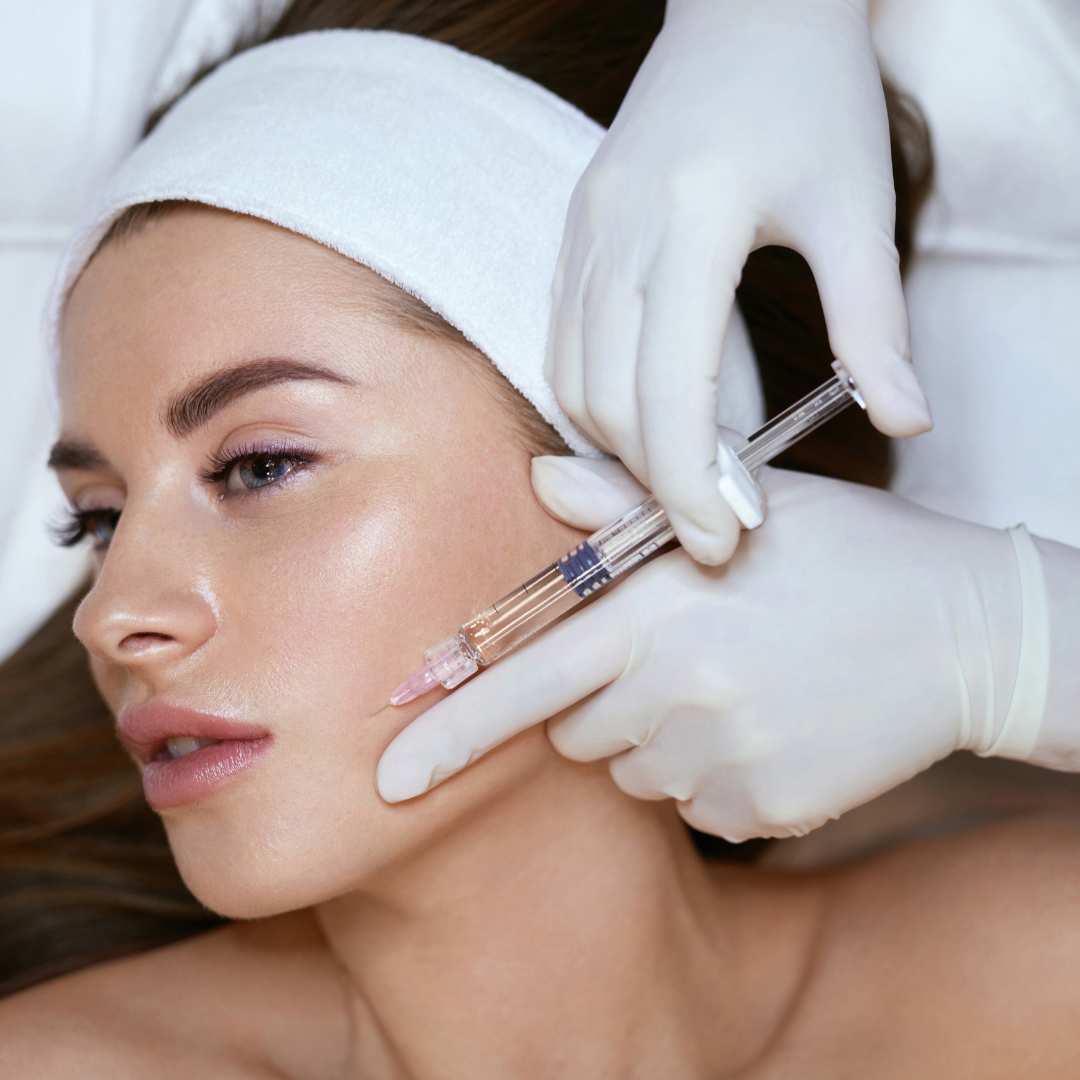
Enhancing lips without evaluating chin projection
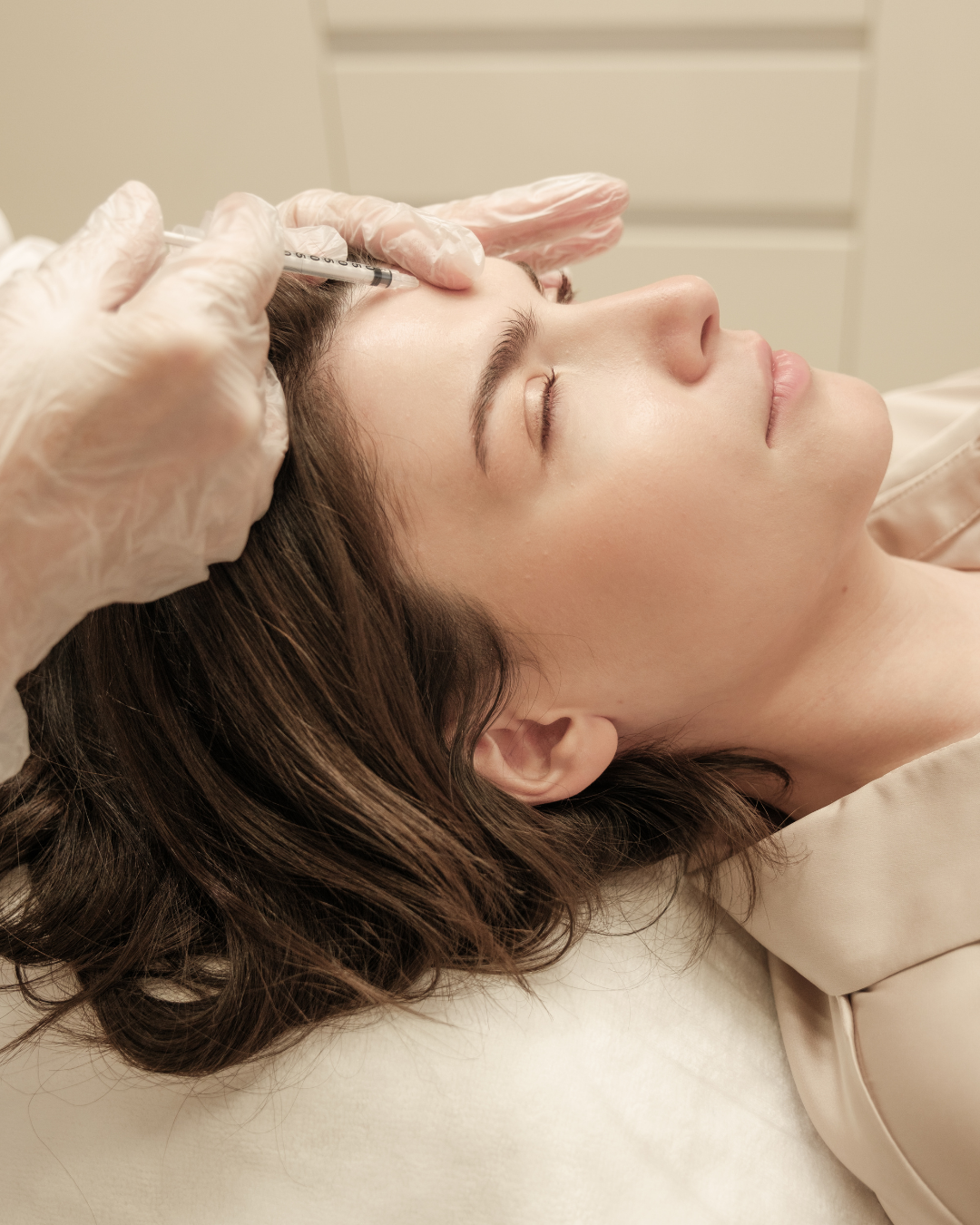
Treating forehead lines without assessing brow position
Filling folds without restoring midface volume
How to Avoid It
Assess the face as a whole
Develop comprehensive treatment plans
Educate patients on phased treatment approaches
Focus on facial balance rather than isolated fixes
Advanced injectors think in terms of structure and proportion.
6. Lack of Continued Education
The aesthetics industry evolves rapidly. Techniques, products, and safety protocols improve constantly.
New injectors who stop learning early may plateau or fall behind.
How to Avoid It
Attend advanced training workshops
Participate in mentorship programs
Stay updated on product developments
Review case studies regularly
Ongoing education protects your long-term career growth.

7. Choosing the Wrong Training Program
Perhaps the most significant early mistake happens before a new injector ever treats a patient: selecting inadequate training.
Programs that are:
Lecture-heavy with minimal hands-on practice
Limited to short weekend formats
Focused only on technique without anatomy depth
Lacking complication management training
…may leave graduates underprepared.
How to Avoid It
Choose a comprehensive injectable training program that includes:
In-depth facial anatomy education
Live model injections
Structured complication management training
Real-world consultation practice
Small class sizes for individualized instruction
Quality training reduces the likelihood of early-career mistakes.

Building Confidence the Right Way
Confidence as an injector does not come from speed — it comes from preparation.
New injectors who focus on:
Safety first
Conservative treatment plans
Continuous learning
Ethical patient communication
…tend to build strong reputations and loyal client bases.
How Elite Aesthetics Academy Prepares New Injectors
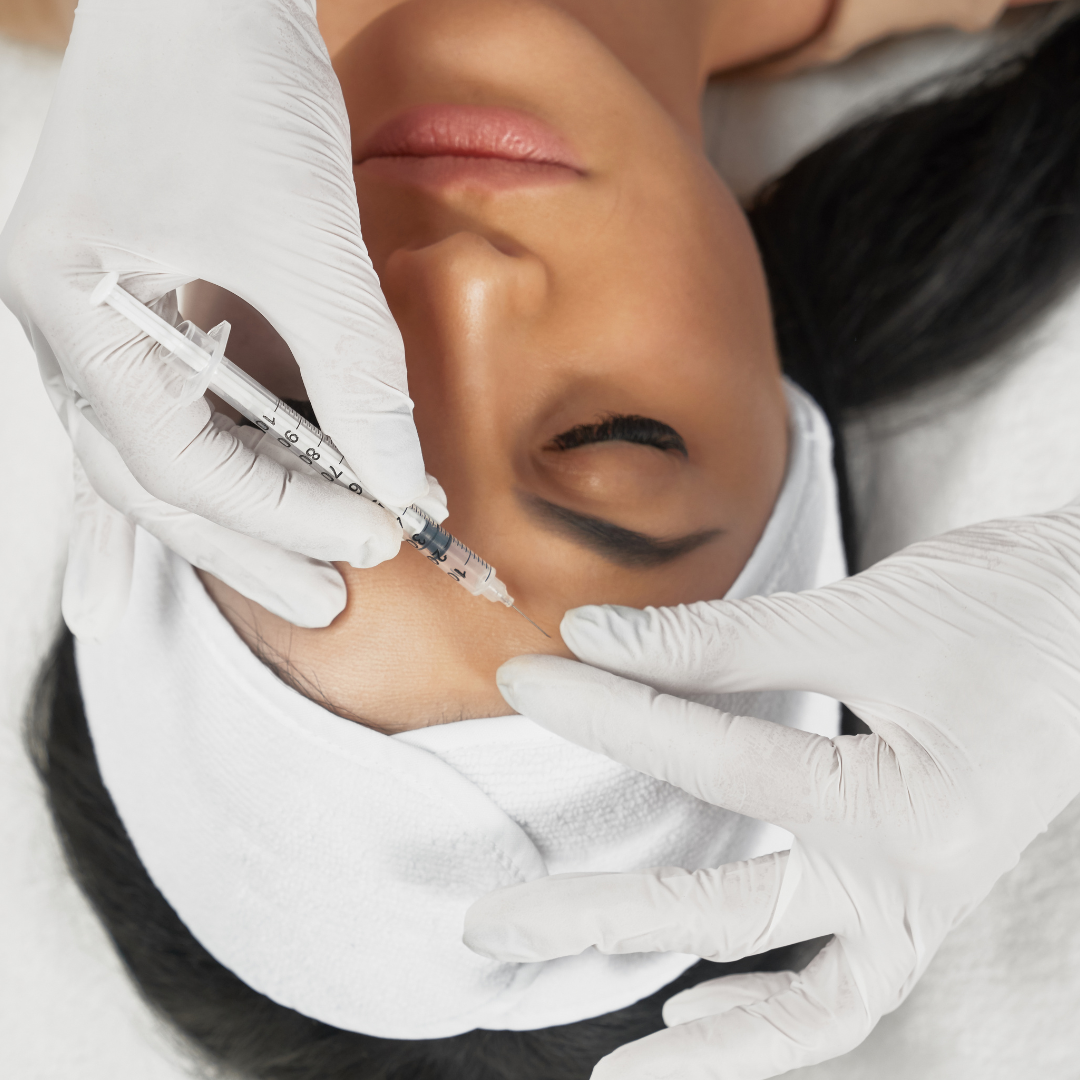
Elite Aesthetics Academy’s Injectable Training Program in Denver is designed to address the most common early-career mistakes before they happen.
Students receive:
Comprehensive facial anatomy education
Hands-on live model injection experience
Structured complication management training
Real-world consultation guidance
Instructor mentorship during clinical practice
Our goal is not just to teach injections — but to develop safe, thoughtful, and confident injectors.
Final Takeaway
Every injector starts somewhere. Mistakes often stem from lack of preparation, rushed training, or insufficient mentorship.
By investing in comprehensive education and maintaining a commitment to safety and continued learning, new injectors can avoid common pitfalls and build long-term success in Colorado’s competitive aesthetics market.
If you are ready to train with a program focused on safety, structure, and real-world preparation, request more information about our Injectable Training Program in Denver today.
Your reputation as an injector begins with the training you choose.

👉 Explore Cosmetic Injectable Training in Denver

Start cosmetic injectables Training