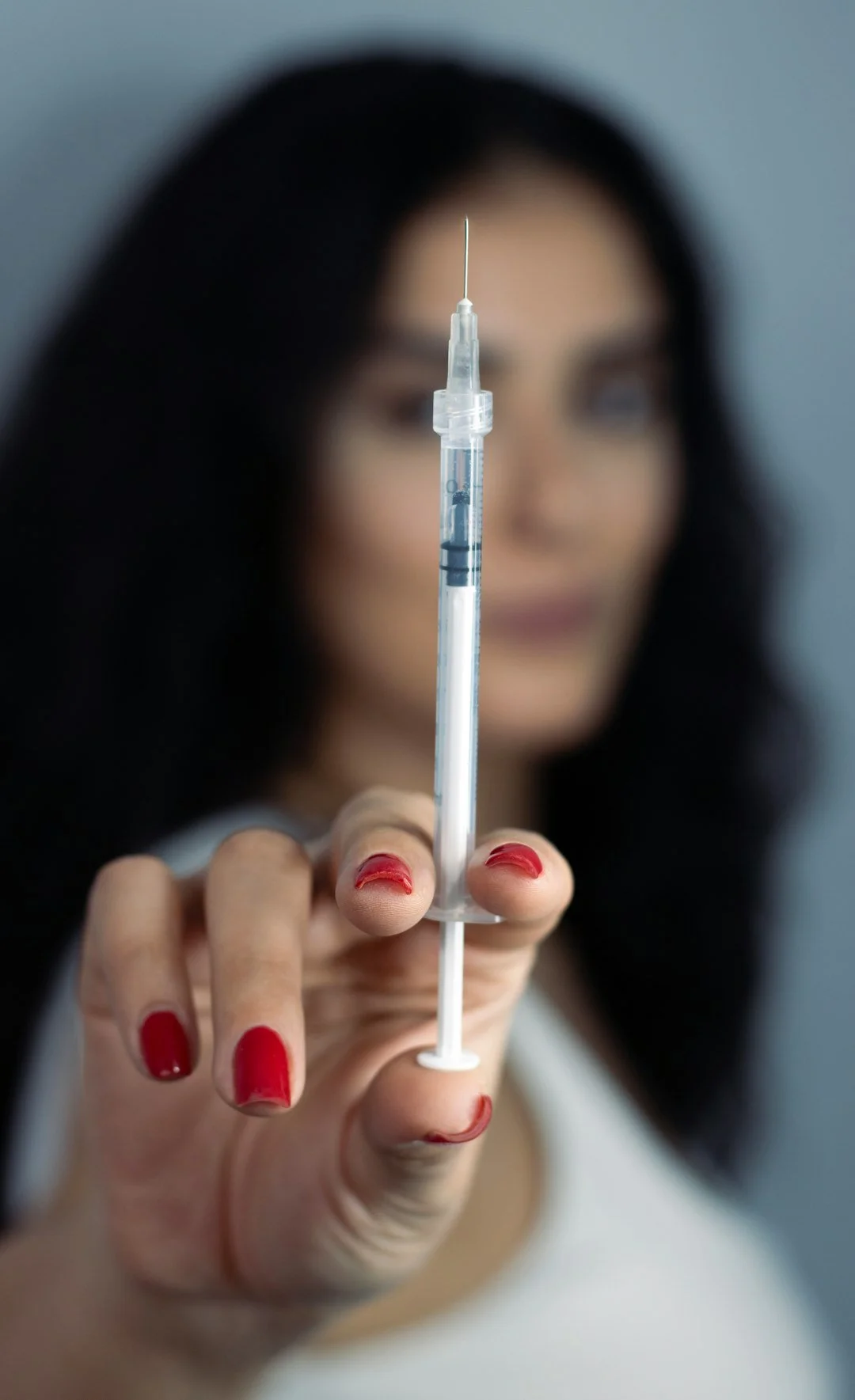
Complication Management in Aesthetic Injectables
Complication management is one of the most critical components of safe and responsible aesthetic injection practice. While Botox and dermal filler treatments are generally safe when performed by trained professionals, complications can occur — even in experienced hands.
For licensed medical providers in Colorado, understanding how to recognize, prevent, and manage injectable complications is essential for patient safety, legal protection, and long-term career success.
This guide outlines the most important aspects of complication management in aesthetic injectables and why comprehensive training matters.
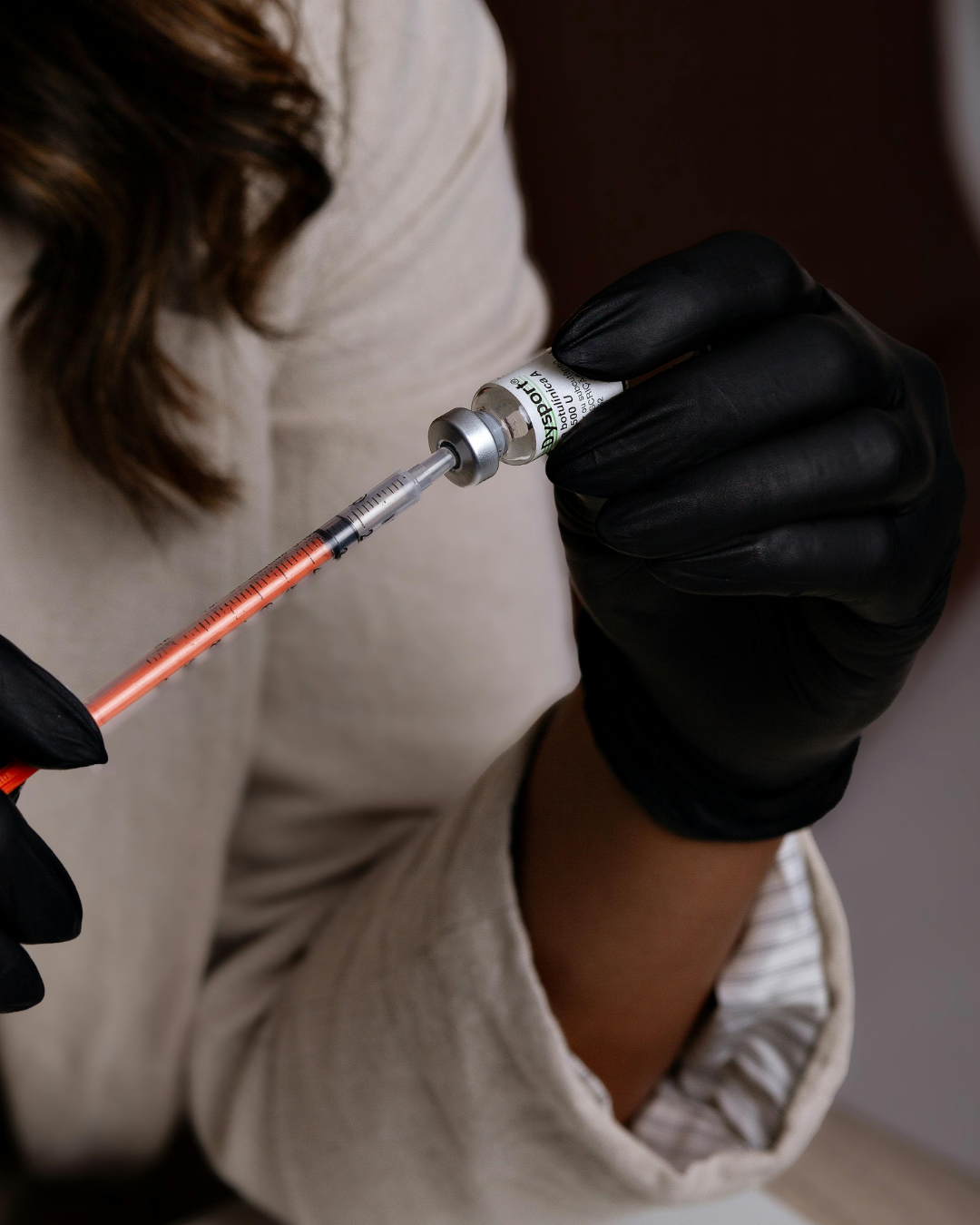
Why Complication Management Training Is Essential
Aesthetic injections are medical procedures. They involve:
Penetrating the skin barrier
Navigating complex vascular structures
Altering muscle movement or tissue volume
Even small errors in depth, placement, or product selection can lead to adverse outcomes.
High-quality injectable training programs do not just teach technique — they prepare providers for worst-case scenarios with structured emergency protocols.
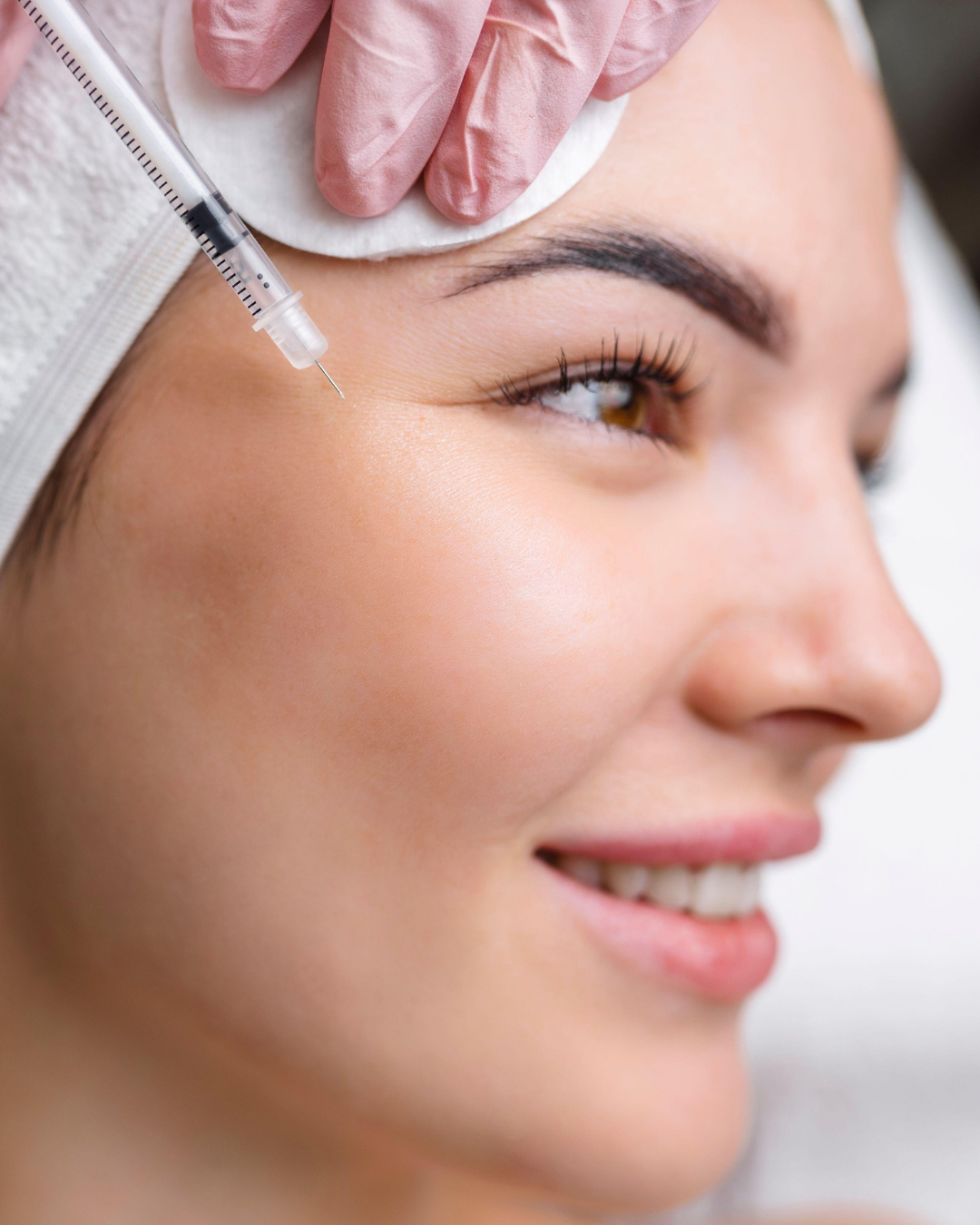
Common Botox (Neuromodulator) Complications
Neuromodulators such as Botox®, Dysport®, and Xeomin® work by relaxing targeted muscles. While generally low-risk, complications can include:
Ptosis (Eyelid Droop)
Often caused by product migration or improper placement.
Brow Asymmetry
May occur if muscle balance is not carefully assessed.
Overcorrection or "Frozen" Appearance
Typically the result of excessive dosing.
Headache or Mild Bruising
Common but temporary side effects.
Management Principles
Careful anatomical assessment before injection
Conservative dosing for new patients
Patient education about onset timing
Clear follow-up protocols
Botox complications are usually temporary but can significantly impact patient trust if not managed professionally.
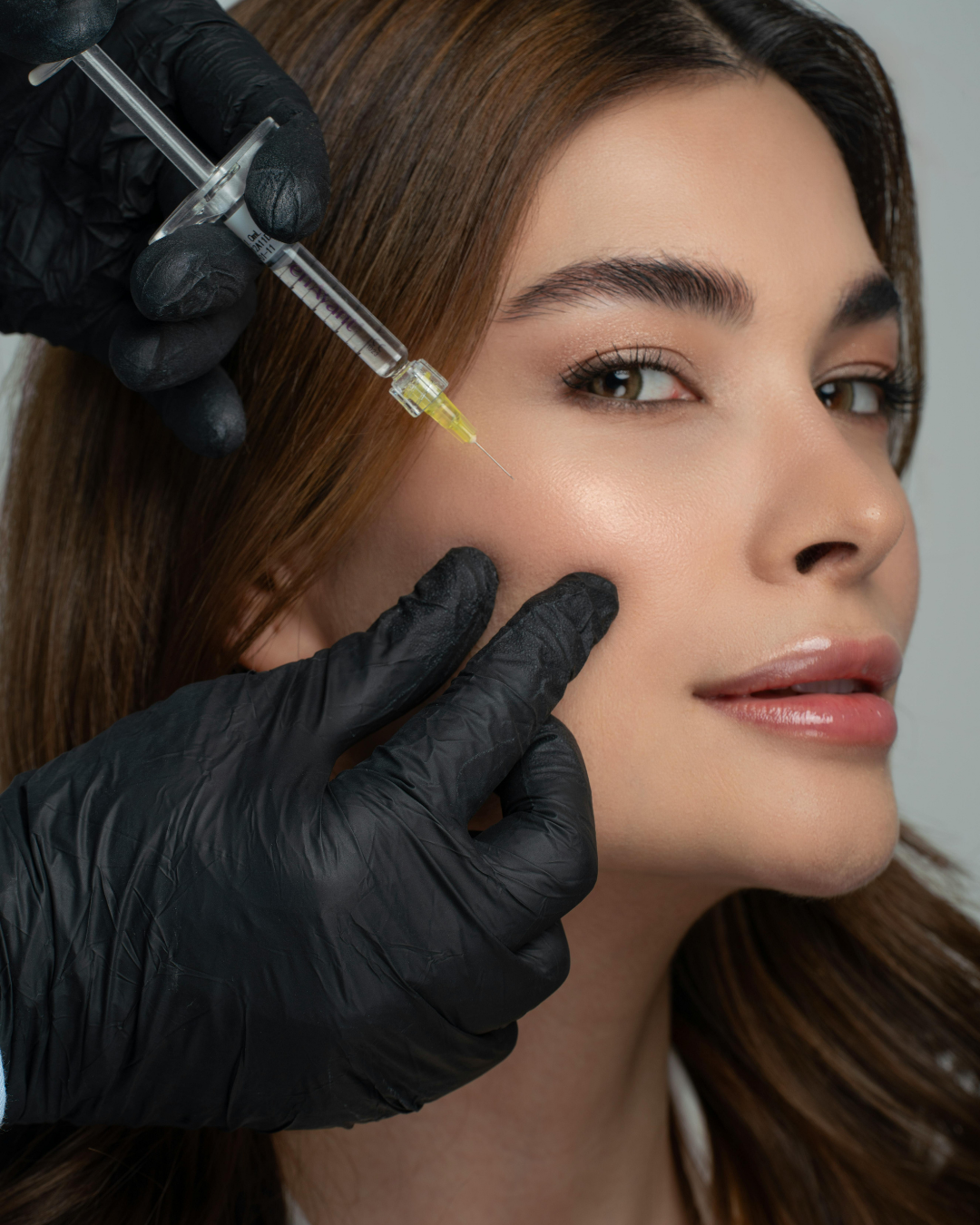
Common Dermal Filler Complications
Filler complications can be more serious due to vascular risks.
Vascular Occlusion (VO)
One of the most critical injectable emergencies. It occurs when filler obstructs a blood vessel.
Early warning signs include:
Immediate blanching
Severe pain
Livedo reticularis pattern
Delayed capillary refill
Untreated vascular occlusion can lead to tissue necrosis.
Tissue Necrosis
Can occur if blood supply is compromised for an extended period.
Filler Migration
Improper placement may result in product shifting from the intended area.
Tyndall Effect
A bluish discoloration caused by superficial placement of hyaluronic acid filler.
Infection or Biofilm Formation
Rare but possible when sterile technique is not followed.

Immediate Response Protocols for Vascular Compromise
Every injector should have a clear emergency action plan before performing filler treatments.
Critical steps typically include:
Immediate recognition of symptoms
Stopping injection immediately
Massaging the area (when appropriate)
Administering hyaluronidase (for hyaluronic acid fillers)
Applying warm compresses
Monitoring capillary refill
Escalating care when necessary
Emergency supplies should always be readily accessible in any injection setting.
Preparation reduces panic and improves outcomes.
Prevention Is the First Line of Defense
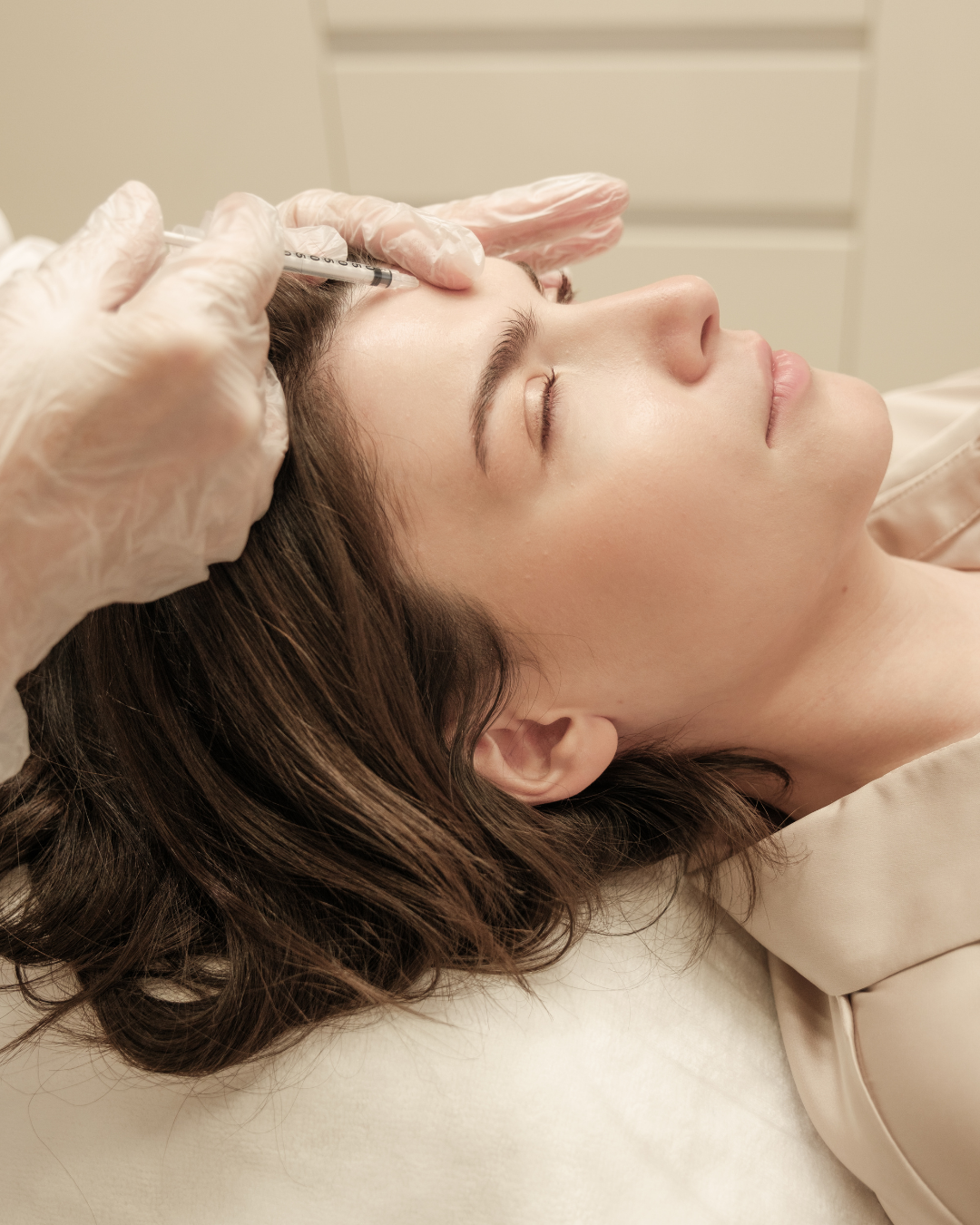
The best complication management strategy is prevention.
Prevention strategies include:
Thorough patient assessment and medical history review
Deep understanding of facial vascular anatomy
Knowledge of high-risk danger zones
Using appropriate injection depth and technique
Conservative treatment planning
Avoiding rushed procedures
Injectors who focus on anatomical precision and patient selection significantly reduce complication risk.
The Role of Documentation and Communication
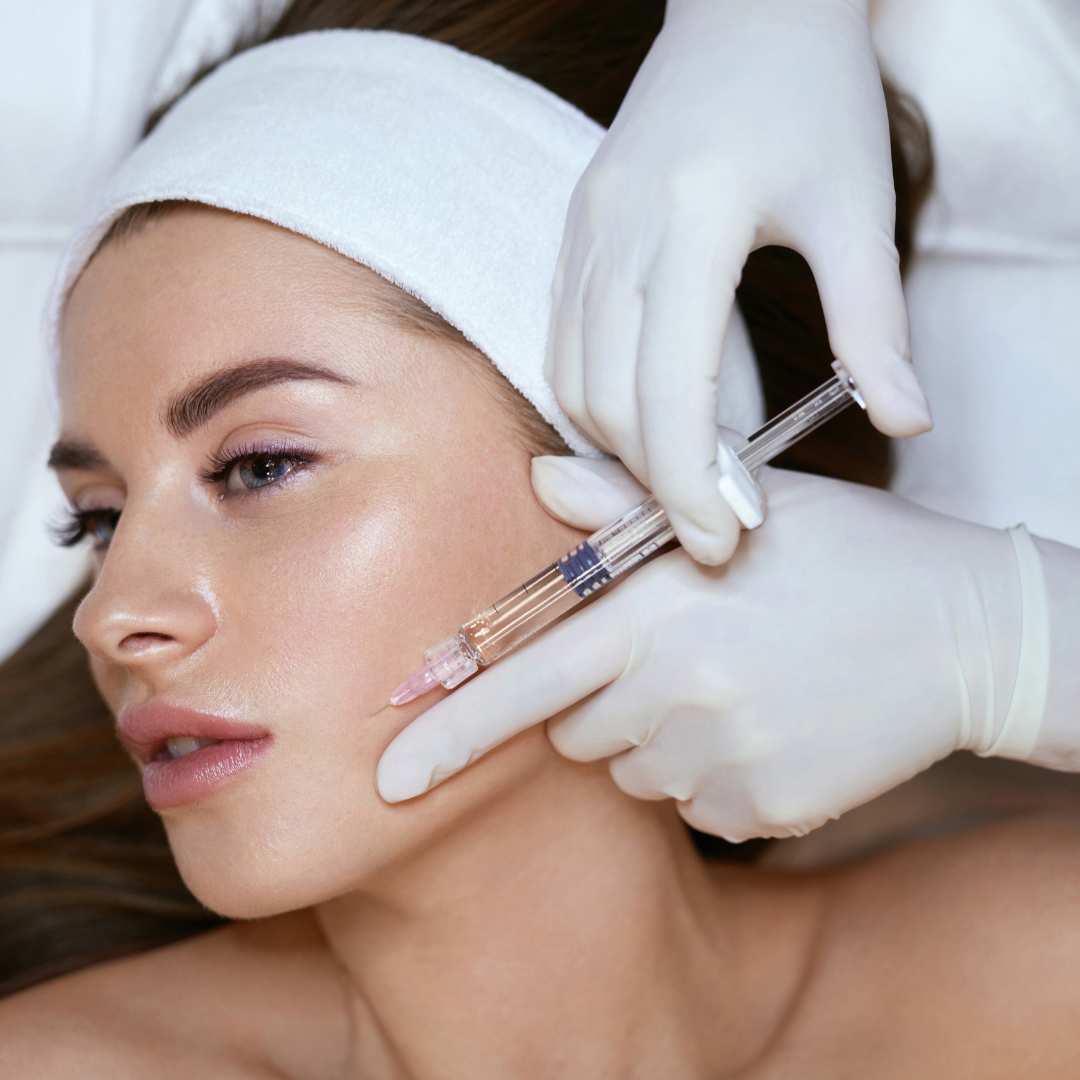
Professional documentation protects both the patient and the provider.
Best practices include:
Detailed consent forms
Pre-treatment photography
Lot number documentation
Treatment maps
Post-care instructions
If a complication occurs, clear documentation supports medical management and legal protection.
Patient communication is equally important. Transparent discussion of risks builds trust and sets realistic expectations.

Why Weekend Courses Are Not Enough
As the aesthetics industry grows, quick certification courses are increasingly scrutinized.
Complication management requires:
Advanced anatomy education
Real-world case discussions
Scenario-based training
Supervised live model experience
Mentorship during early practice
Programs that skip in-depth complication education leave graduates vulnerable and underprepared.
Building Confidence Through Preparedness
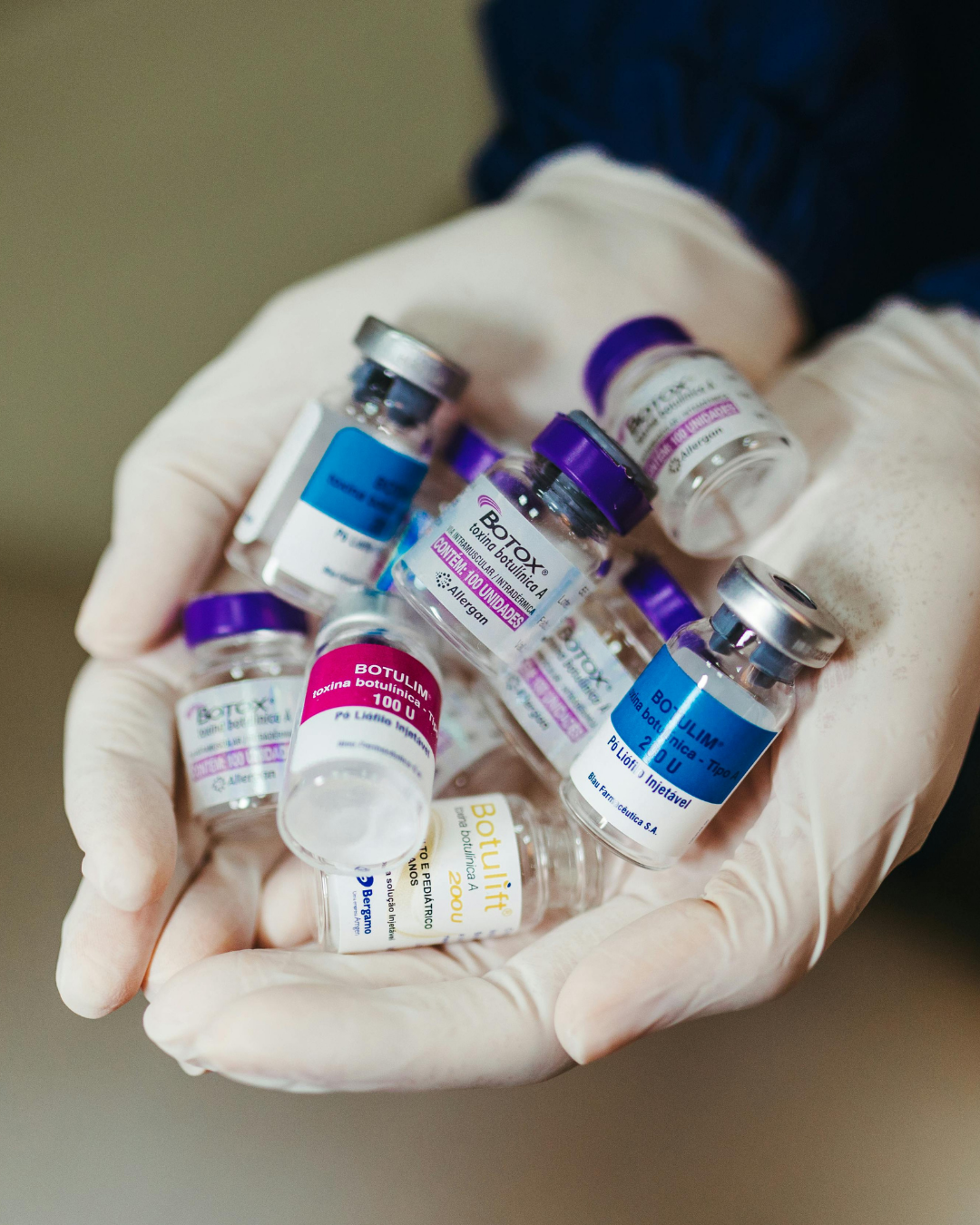
Confidence in injectables does not come from speed or volume — it comes from preparation.
Well-trained injectors:
Know emergency protocols before they ever need them
Maintain composure during adverse events
Communicate clearly with patients
Seek support when necessary
Prepared providers protect their patients, their licenses, and their reputations.
How Elite Aesthetics Academy Prepares Injectors
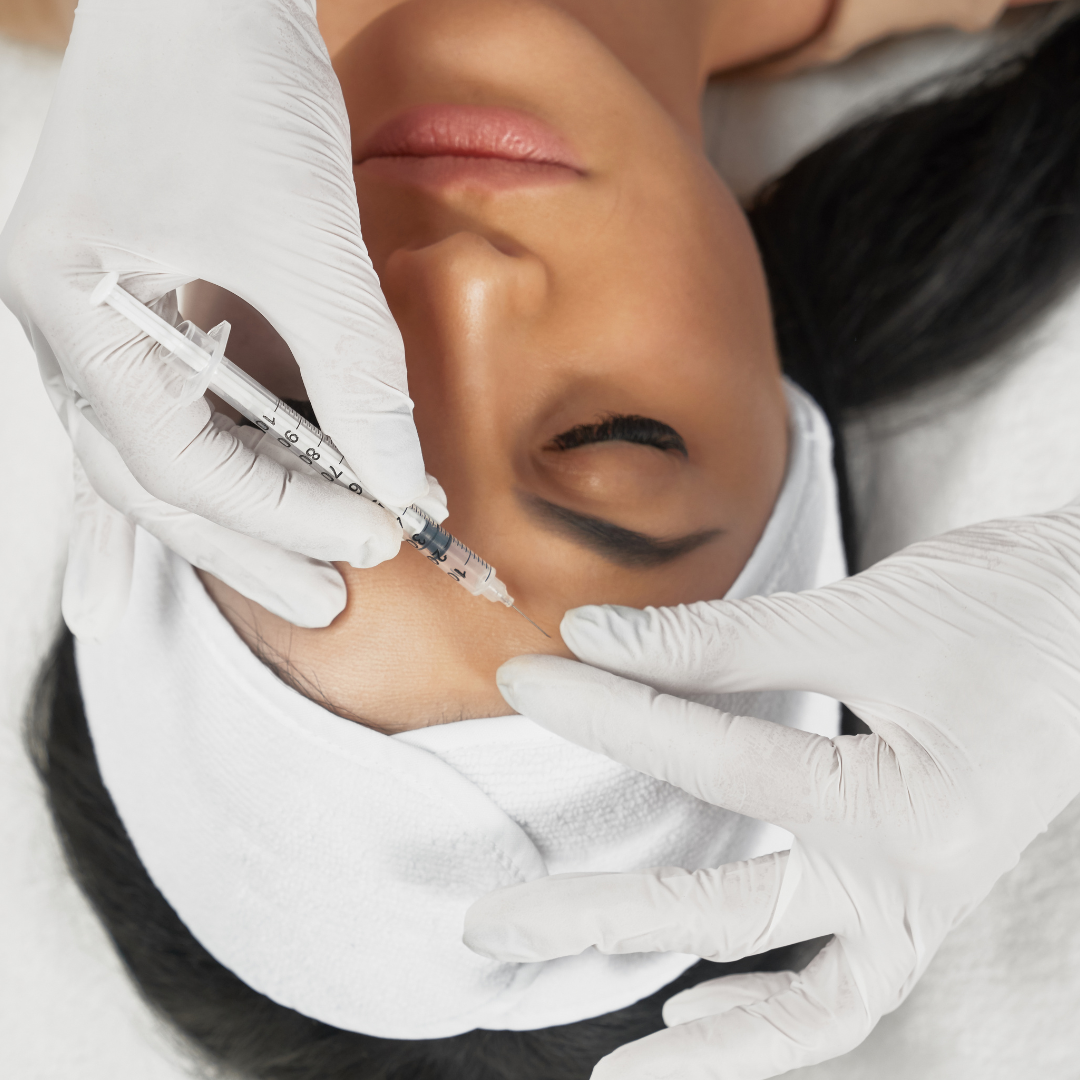
Elite Aesthetics Academy’s Injectable Training Program in Denver integrates structured complication management education into every stage of training.
Students receive:
In-depth vascular anatomy instruction
Emergency protocol training
Live model injection experience under supervision
Real-world case discussion
Guidance on documentation and consent standards
Our program emphasizes safety, structure, and professional responsibility — because technical skill without complication management is incomplete training.
Final Takeaway
Complication management is not optional in aesthetic medicine — it is foundational.
While Botox and dermal filler treatments are highly effective and generally safe when performed correctly, every injector must be prepared to recognize and respond to complications quickly and confidently.
Comprehensive training, continued education, and a safety-first mindset are what separate casual injectors from respected medical aesthetic professionals.
If you are ready to pursue injectable training that prioritizes safety and real-world preparation, request information about our Injectable Training Program in Denver today.
Your credibility as an injector begins with the depth of your training.
👉 Explore Cosmetic Injectable Training in Denver
Start cosmetic injectables Training