Dermaplaning vs Microdermabrasion: What’s the Difference? (Professional Comparison Guide 2026)
If you are exploring advanced exfoliation training or expanding your treatment menu, you may be asking:
What’s the difference between dermaplaning and microdermabrasion?
Both treatments remove dead skin cells, improve texture, and enhance product penetration. However, they differ significantly in technique, tools, depth of exfoliation, skin suitability, and professional application.
Understanding these differences is essential for licensed estheticians practicing in Colorado — especially when selecting treatments for corrective skincare programs.
What Is Dermaplaning?
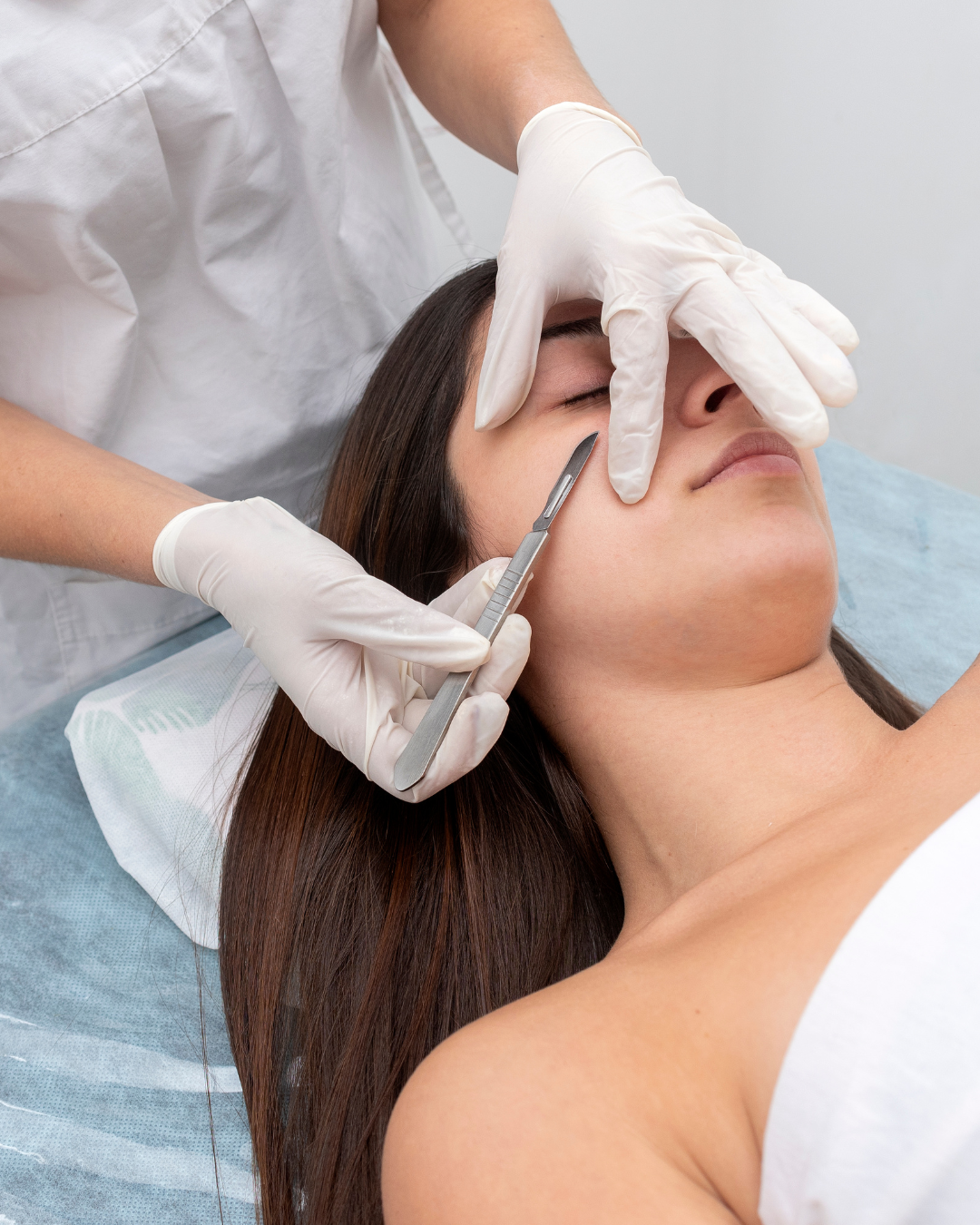
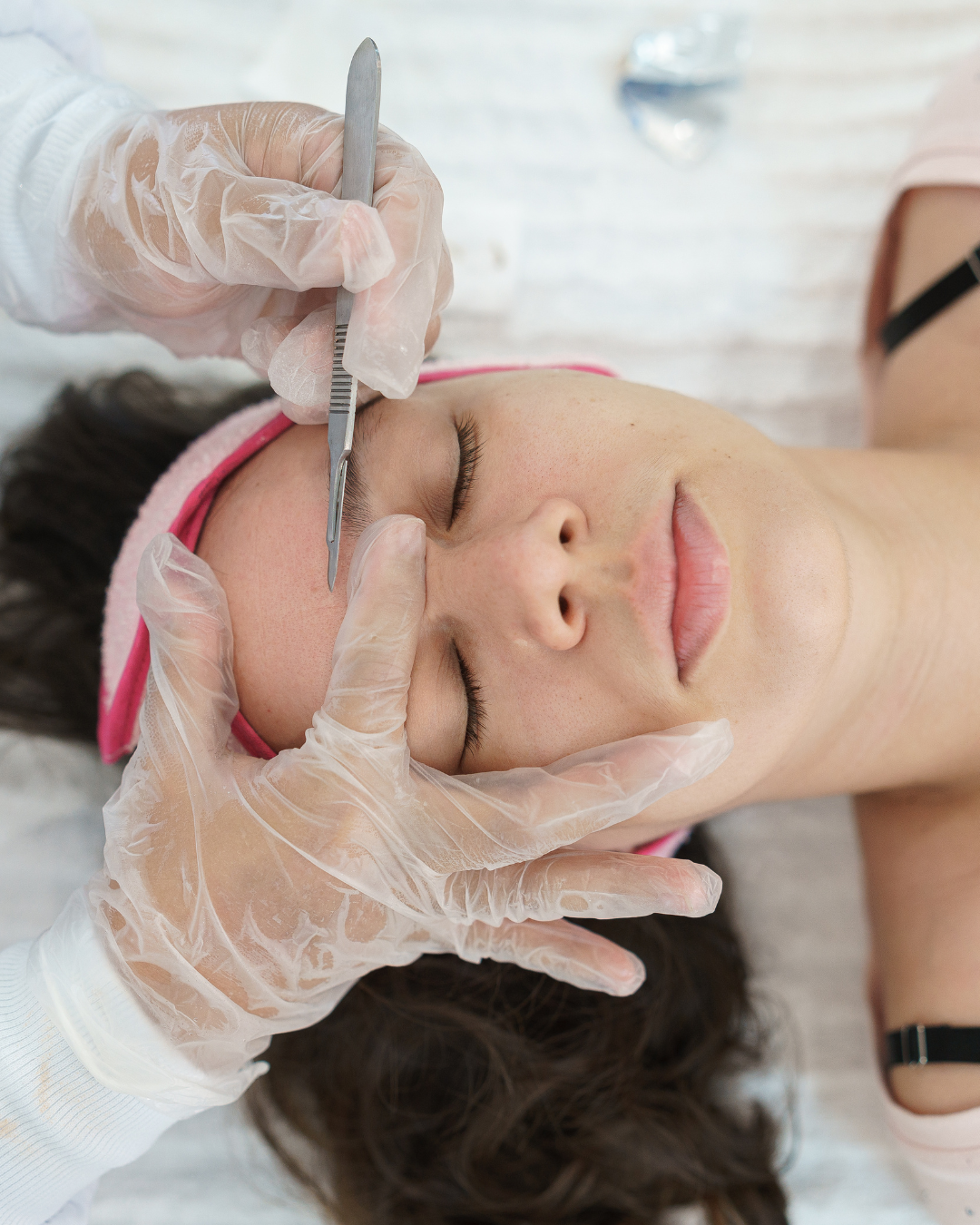
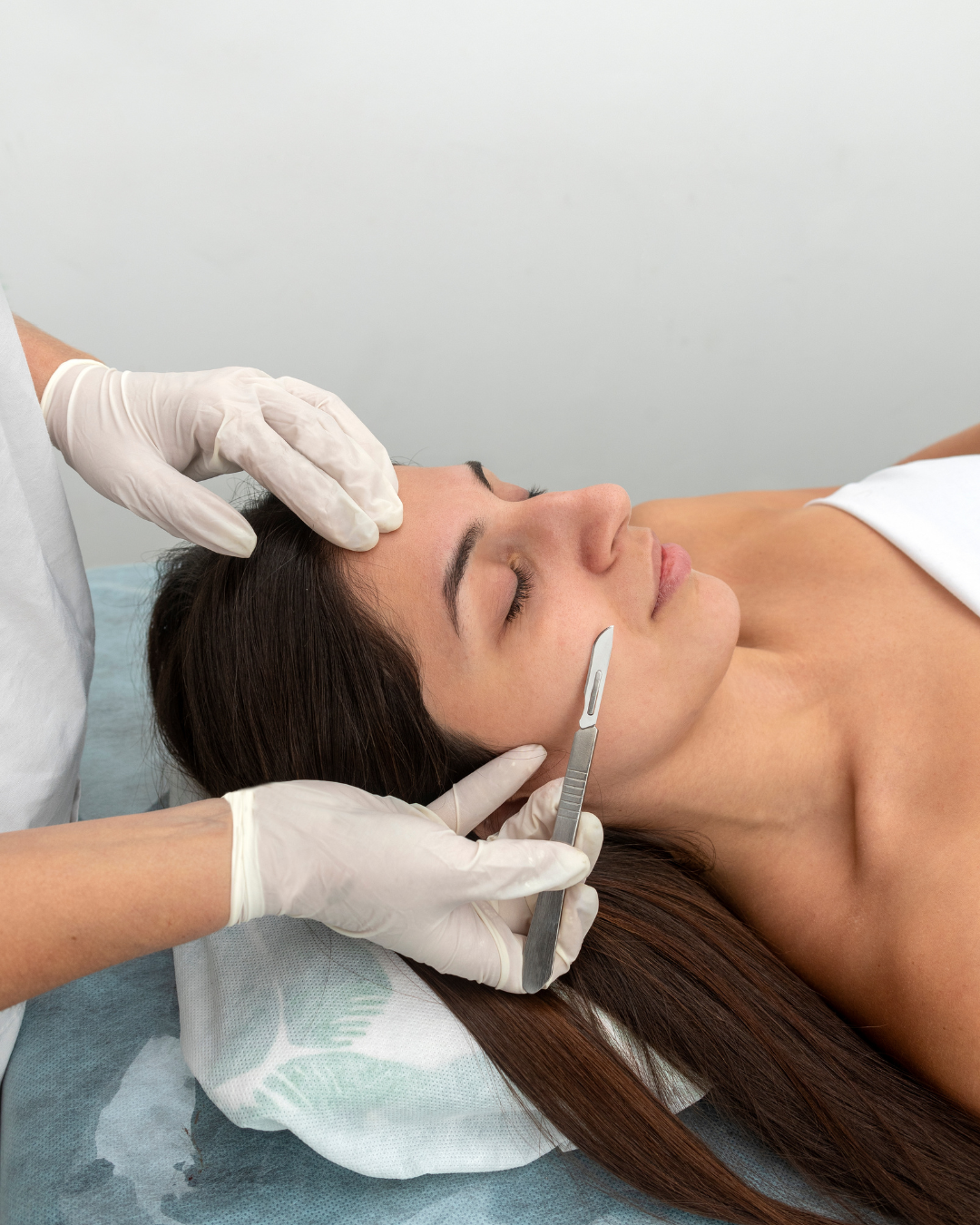
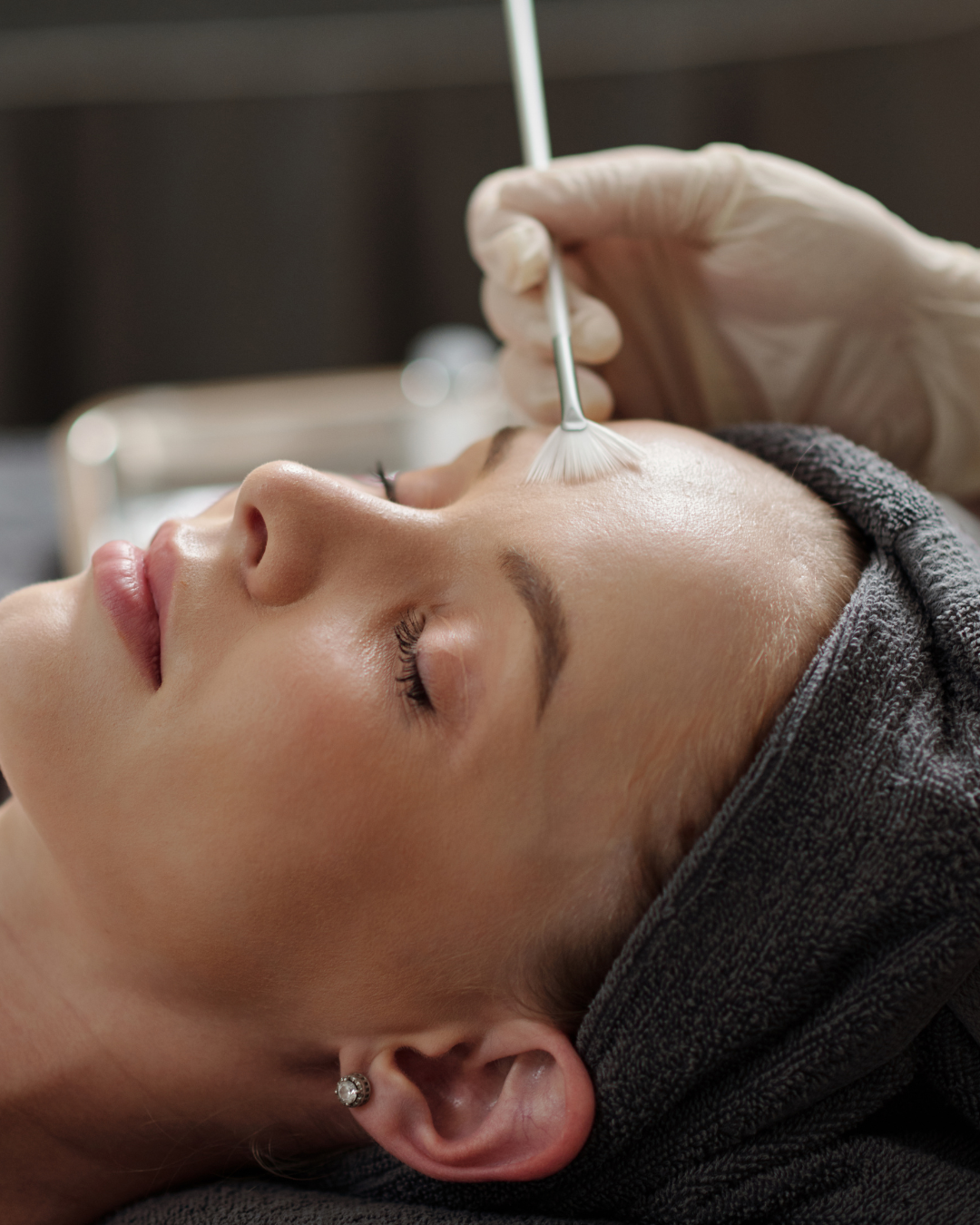
Dermaplaning is a manual exfoliation technique that uses a sterile, single-use surgical blade to gently remove:
Dead skin cells from the stratum corneum
Fine vellus hair (peach fuzz)
The blade is held at a precise 45-degree angle and applied with controlled, feathered strokes while maintaining skin tension.
Dermaplaning is entirely manual, meaning results depend on practitioner skill, blade control, and pressure management.
What Is Microdermabrasion?
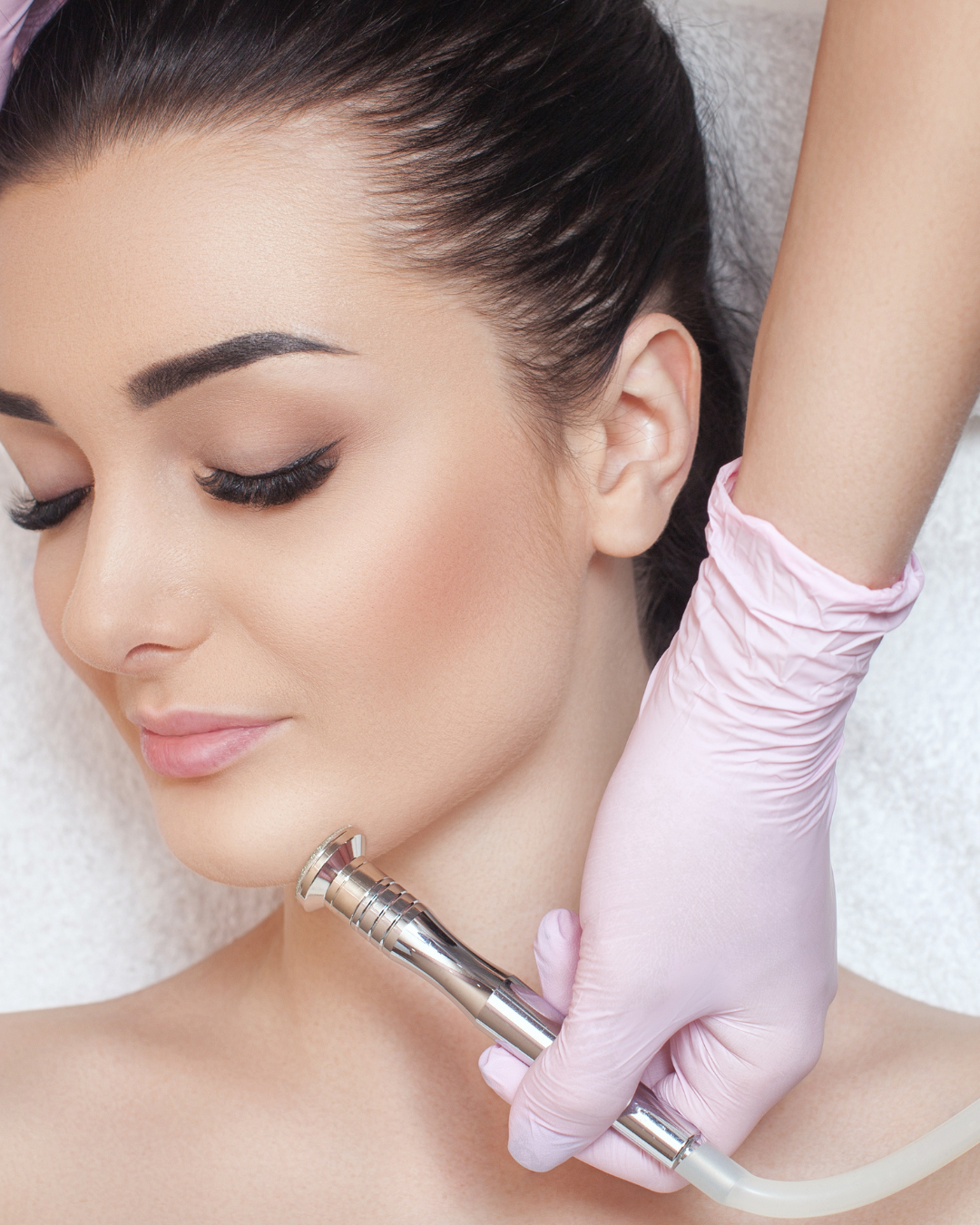
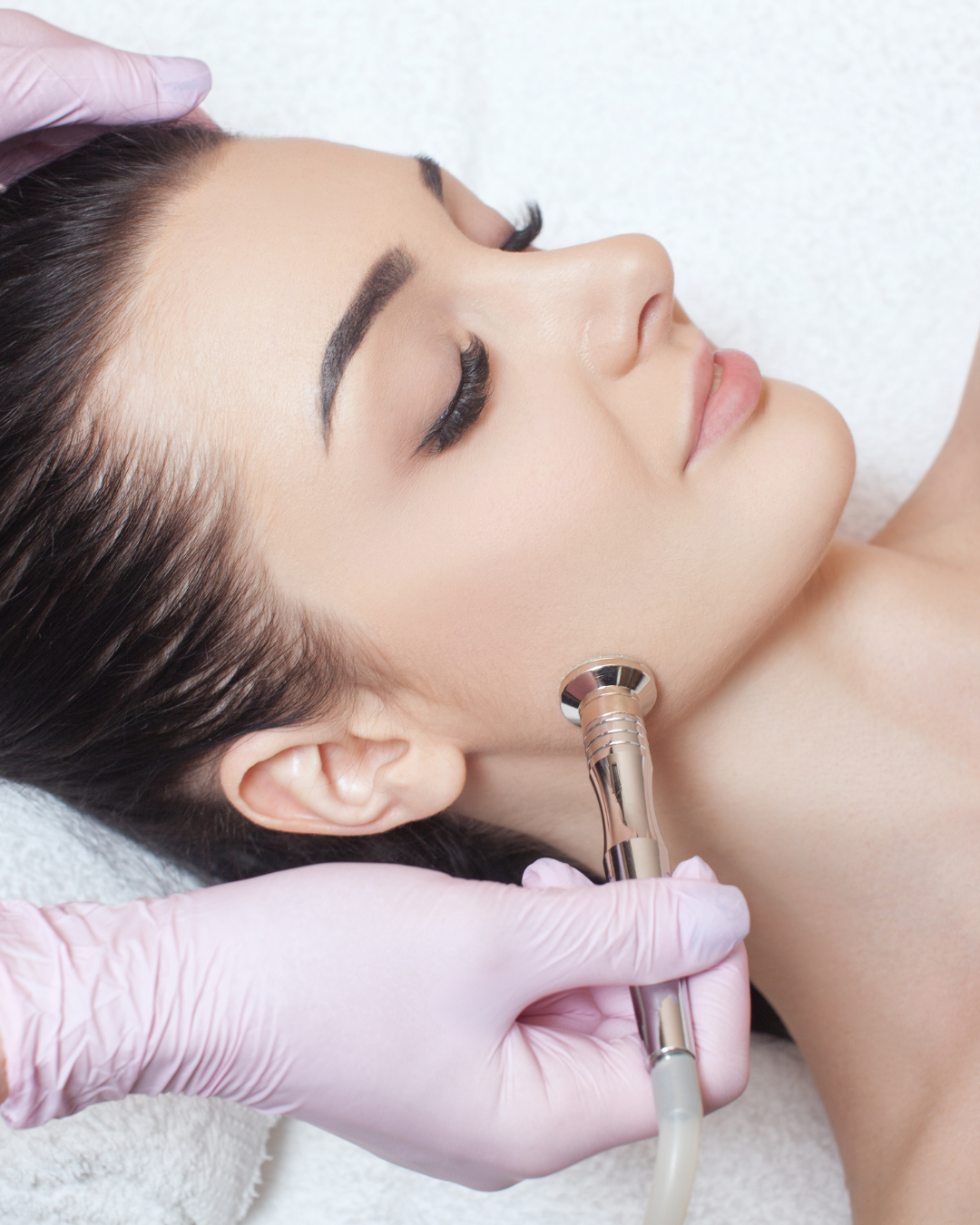
Microdermabrasion is a mechanical exfoliation treatment that uses a device to resurface the skin.
Common types include:
Crystal microdermabrasion
Diamond-tip microdermabrasion
The device exfoliates the surface layer of skin while simultaneously using suction to remove debris.
Unlike dermaplaning, microdermabrasion relies on machine-assisted abrasion rather than a handheld blade.
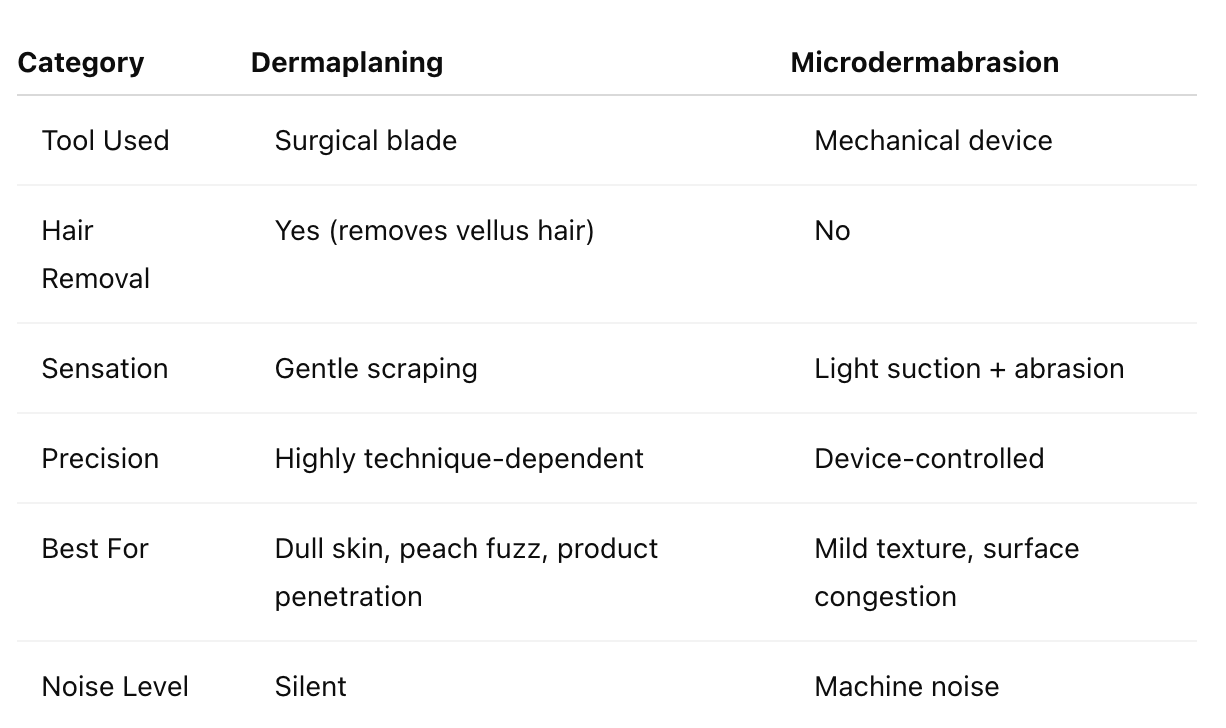
Key Differences at a Glance
Which Treatment Provides Deeper Exfoliation?
Both treatments target the outermost skin layer, but they do so in different ways. Neither dermaplaning nor microdermabrasion penetrates beyond the superficial epidermis when performed correctly.
However:
Dermaplaning can create a smoother immediate finish due to blade precision.
Microdermabrasion may offer more consistent exfoliation for oily or congested skin due to suction.
Depth ultimately depends on technique and settings.
Skin Types & Ideal Candidates
Dermaplaning Is Ideal For:
Dry or flaky skin
Clients with vellus hair
Sensitive skin (when properly screened)
Pre-chemical peel preparation
Clients seeking immediate smoothness
Dermaplaning is often preferred for clients who want an instantly polished look.
Microdermabrasion Is Ideal For:
Mild congestion
Oily skin types
Thickened stratum corneum
Clients uncomfortable with blades
Clients with active acne may require careful screening for both modalities.
Treatment Experience & Downtime
Both treatments typically have minimal downtime when performed correctly.
Dermaplaning:
Mild redness possible
Immediate smooth texture
No machine noise
Microdermabrasion:
Light redness
Slight suction sensation
Temporary tightness
Post-treatment SPF is essential for both.
Dermaplaning vs Microdermabrasion in Corrective Programs
Many medspas integrate these treatments into broader corrective plans.
Dermaplaning is commonly used:
Before chemical peels
Before enzyme treatments
As part of advanced facials
Microdermabrasion is often used:
As a series for texture refinement
For mild photoaging
For maintenance exfoliation
Treatment selection depends on client goals and professional training.
Scope of Practice in Colorado
In Colorado, esthetic services are regulated by the Department of Regulatory Agencies (DORA).
Licensed estheticians may perform non-invasive exfoliation services — including dermaplaning and microdermabrasion — within their scope of practice, provided they follow sanitation, safety, and infection control standards.
Advanced training is strongly recommended, especially for blade-based procedures like dermaplaning.
Operating within legal scope protects both client safety and professional licensure.

Income Potential Comparison in Denver
In the Denver metro area:
Dermaplaning is often priced as a premium add-on or standalone service.
Microdermabrasion is commonly offered as part of facial packages.
Dermaplaning may command slightly higher pricing due to skill level and demand, particularly when paired with chemical peels.
Both services can increase average ticket value and client retention.
Which Training Should You Choose?
For estheticians building a corrective skincare career, dermaplaning often provides:
Stronger differentiation
Higher perceived value
Greater integration with chemical peel programs
Microdermabrasion remains a foundational device-based exfoliation treatment.
Many professionals choose to train in both modalities for maximum versatility.
Advance Your Exfoliation Expertise in Denver
Elite Aesthetics Academy’s Dermaplane Training Program in Denver provides hands-on blade-control instruction, complication-prevention education, and Colorado regulatory awareness to ensure a safe, confident practice.
Understanding the difference between dermaplaning and microdermabrasion allows professionals to select the right treatment — not just the trending one.
In advanced esthetics, knowledge drives both results and career growth.
👉 Explore 600-hour esthetician license program in Denver
Start esthetics Training