How to Transition from Spa Esthetician to Medical Aesthetics
If you’re currently working as a spa esthetician and feel ready for more advanced, results-driven treatments, you may be wondering:
How do I transition from spa esthetics to medical aesthetics in Colorado?
Moving into medical aesthetics can elevate your career, increase your earning potential, and position you within clinical, technology-driven environments. However, the transition requires strategic training, skill development, and professional positioning.
This guide outlines the exact steps to successfully move from spa-based esthetics into medical aesthetics.
Step 1: Understand the Key Differences
Before making the transition, it’s important to understand how medical aesthetics differs from traditional spa work.
Spa Esthetics Focuses On:
Relaxation-based facials
Maintenance skincare
Cosmetic enhancement
Wellness-centered environments
Medical Aesthetics Focuses On:
Corrective skin treatments
Clinical protocols
Acne and pigmentation management
Pre- and post-laser skincare
Collaboration with medical providers
Medical aesthetics environments are more structured, documentation-heavy, and results-oriented.
Step 2: Strengthen Your Skin Science Knowledge
Medical aesthetics requires a deeper understanding of:
Skin physiology and pathology
Acne mechanisms and inflammation
Hyperpigmentation and melasma
Aging processes and collagen loss
Contraindications and client screening
Employers in Denver and surrounding Colorado cities look for estheticians who can confidently assess skin conditions and recommend structured treatment plans.
Advanced coursework bridges the gap between basic licensure and clinical competence.
Step 3: Pursue Advanced Esthetician Training
To become competitive in medical settings, additional education is typically required.
Advanced training may include:
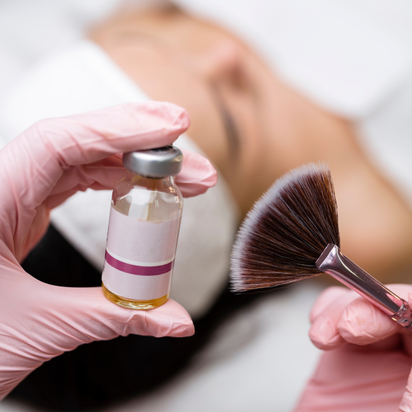
Medical-grade chemical peel certification
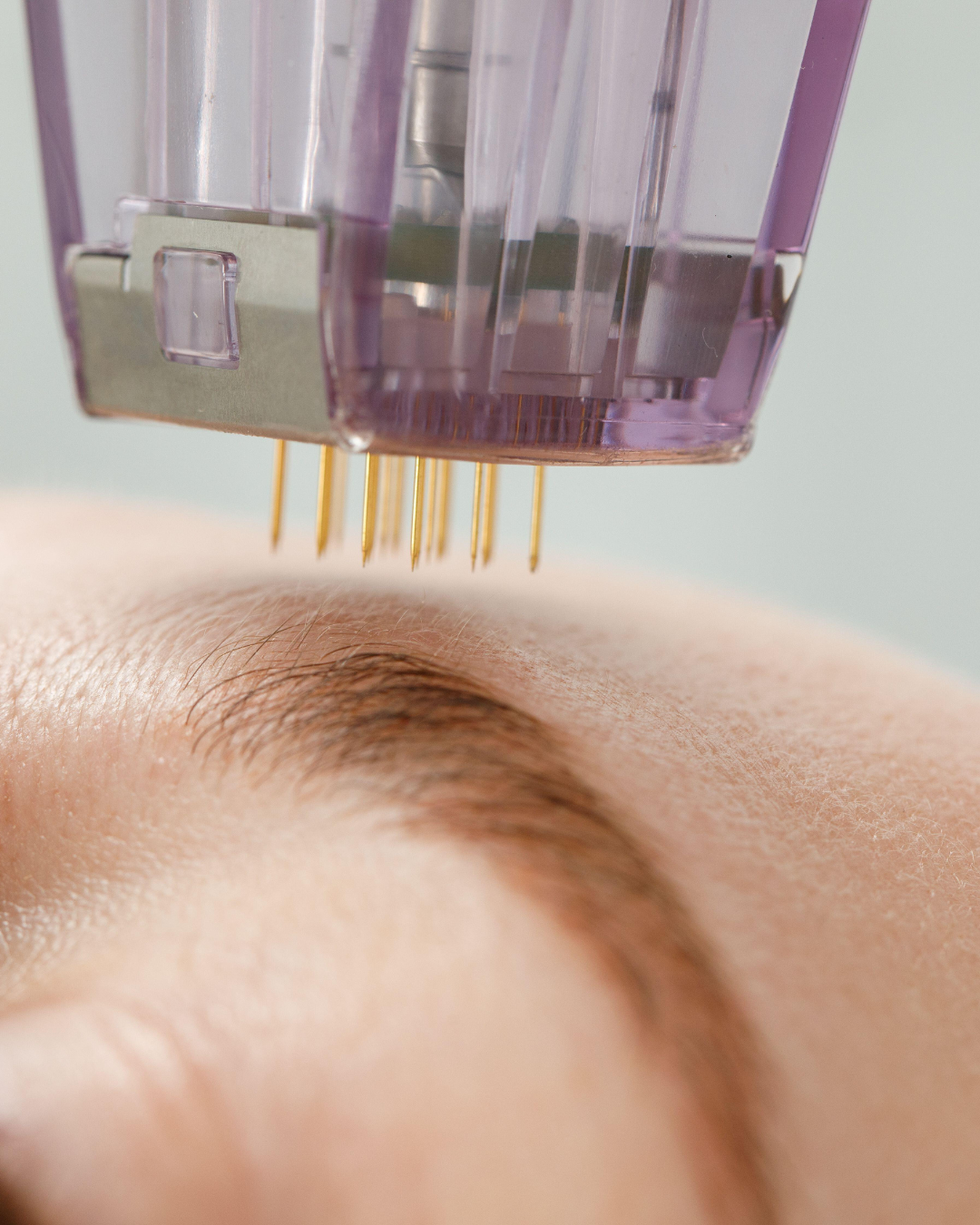
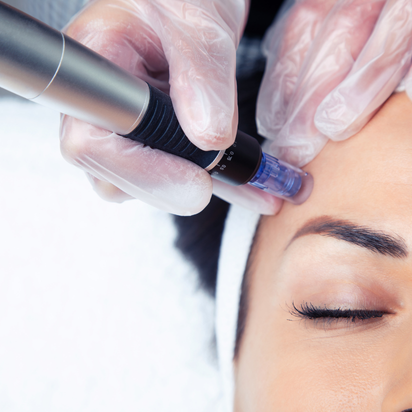
Microneedling education (within permitted scope and supervision)
Corrective treatment planning
Clinical documentation standards
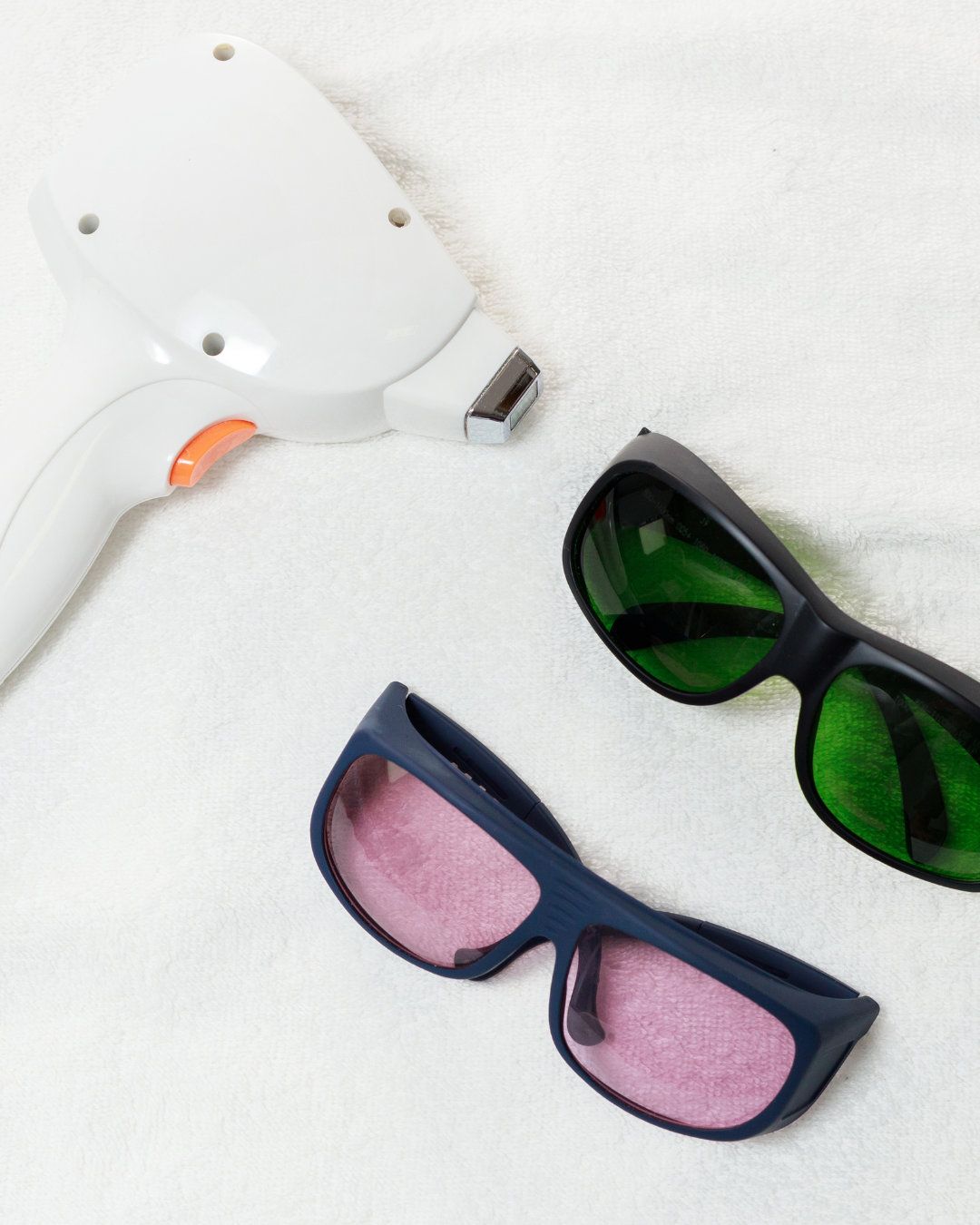
Integration with laser and injectable services
Hands-on training is essential. Employers prioritize estheticians who have practiced advanced protocols in supervised environments.

Step 4: Learn to Work Within Medical Teams
Medical estheticians often collaborate with:
Nurse injectors
Laser technicians
Medical directors
Practice managers
Success in clinical environments requires:
Strong communication skills
Comfort with structured protocols
Accurate documentation habits
Understanding of medical delegation rules in Colorado
Developing professionalism and clinical readiness is just as important as mastering advanced treatments.

Step 5: Adjust Your Resume and Positioning
Transitioning into medical aesthetics is not only about skill — it’s about positioning.
When applying for medical aesthetic roles:
Highlight advanced certifications
Emphasize corrective treatment experience
Showcase consultation skills
Demonstrate knowledge of clinical protocols
Include before-and-after case examples (when appropriate)
Medical employers want estheticians who can integrate seamlessly into structured practices.

Step 6: Be Prepared to Start Strategically
Your first role in medical aesthetics may involve:
Assisting with pre- and post-procedure care
Performing advanced facials
Supporting laser or injectable treatment plans
Managing skincare product recommendations
Over time, as your confidence and experience grow, you can expand your treatment responsibilities within your legal scope of practice.

Common Challenges During the Transition
Some spa estheticians experience adjustment challenges such as:
Adapting to clinical documentation requirements
Shifting from relaxation-focused services to corrective protocols
Learning to work within medical hierarchies
These challenges are normal and temporary with proper training and mentorship.
Income and Career Growth Potential
Medical aesthetics often provides:
Higher base pay compared to spa roles
Commission opportunities on advanced treatments
Retail sales of medical-grade skincare
Long-term career advancement opportunities
In Colorado’s growing medical aesthetics market, estheticians who invest in advanced training position themselves for sustainable career growth.
Why Comprehensive Training Matters
Quick certification courses rarely provide the depth needed to confidently enter clinical environments.
Comprehensive advanced esthetician programs should include:
In-depth skin science education
Hands-on supervised practice
Structured treatment planning
Integration with device-based modalities
Professional consultation training
Proper preparation reduces overwhelm and increases employability.

How Elite Aesthetics Academy Supports Your Transition
Elite Aesthetics Academy’s Medical Aesthetics Training Program in Denver is specifically designed for licensed estheticians transitioning from spa environments into clinical settings.
Students gain:
Advanced skin science education
Hands-on corrective treatment training
Clinical consultation experience
Real-world preparation for medspa employment
Our program helps bridge the gap between traditional esthetics and medically integrated aesthetics.
Final Takeaway
Transitioning from spa esthetician to medical aesthetics in Colorado requires intentional skill development, advanced education, and professional repositioning.
For estheticians seeking long-term growth, stronger income potential, and clinical integration, the transition is absolutely achievable with the right training and mindset.
If you’re ready to elevate your esthetics career, request program details or speak with our admissions team to learn more about our Medical Aesthetics Training Program in Denver.
Your next chapter in aesthetics begins with advanced education.

👉 Explore Advanced esthetics Training in Denver
Start Advanced esthetics Training