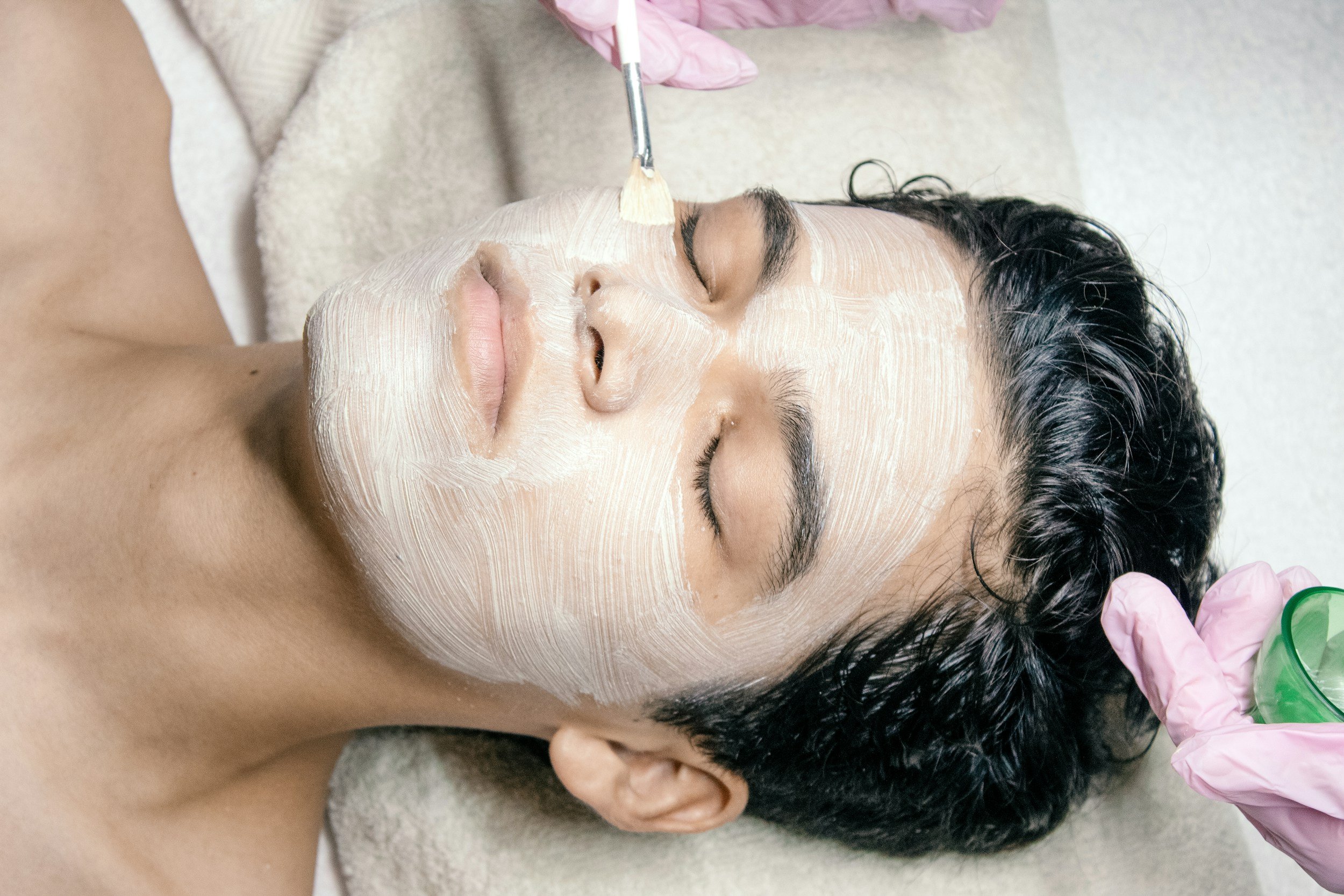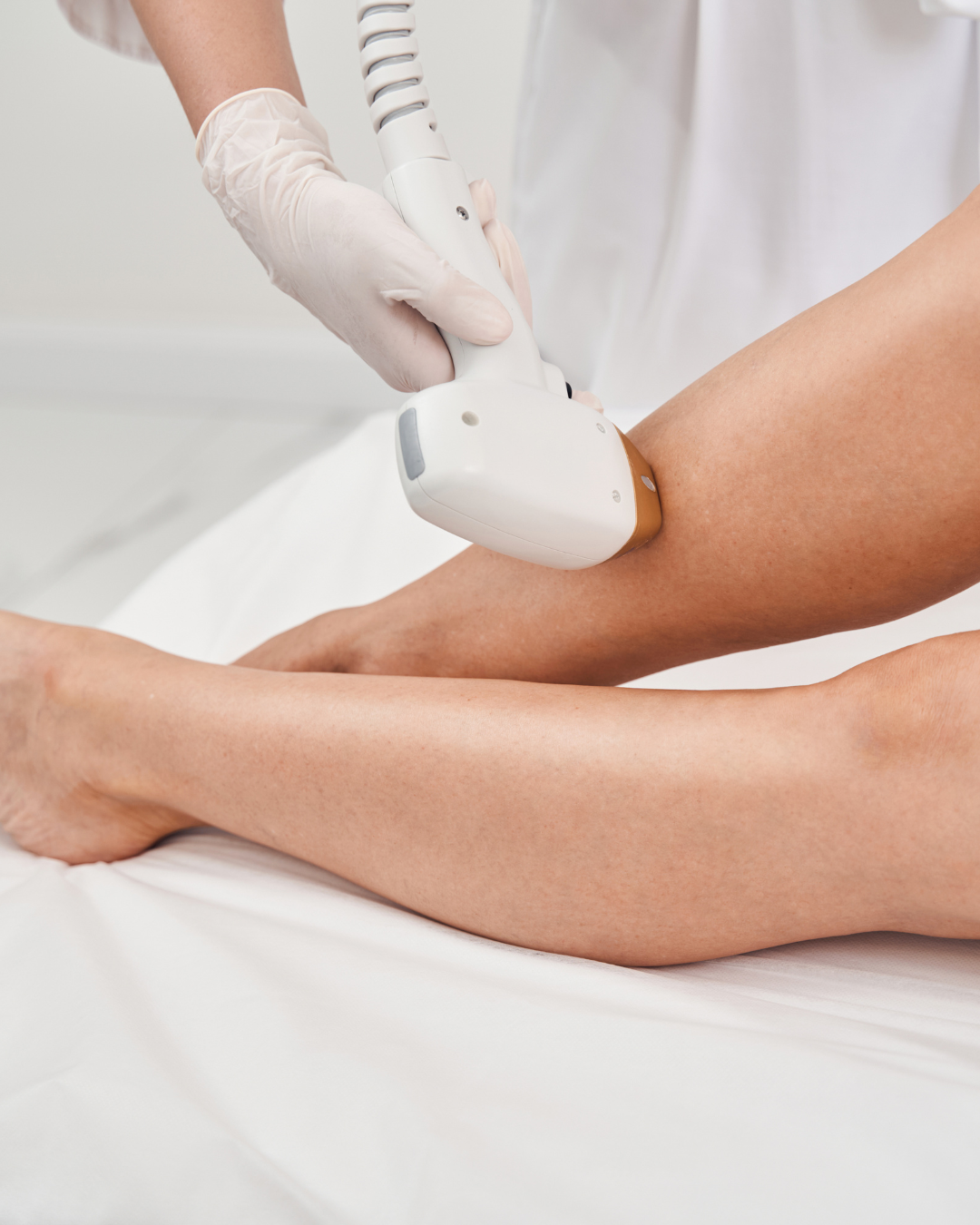
Medical Esthetician vs Traditional Esthetician: What’s the Difference?
If you’re a licensed esthetician considering advancing your career, you may be wondering:
What’s the difference between a medical esthetician and a traditional esthetician?
While both roles focus on skin health and client care, the work environment, treatment focus, and level of clinical integration can differ significantly.
Understanding these differences can help you decide whether advanced medical aesthetics training is the right next step for your career in Colorado.
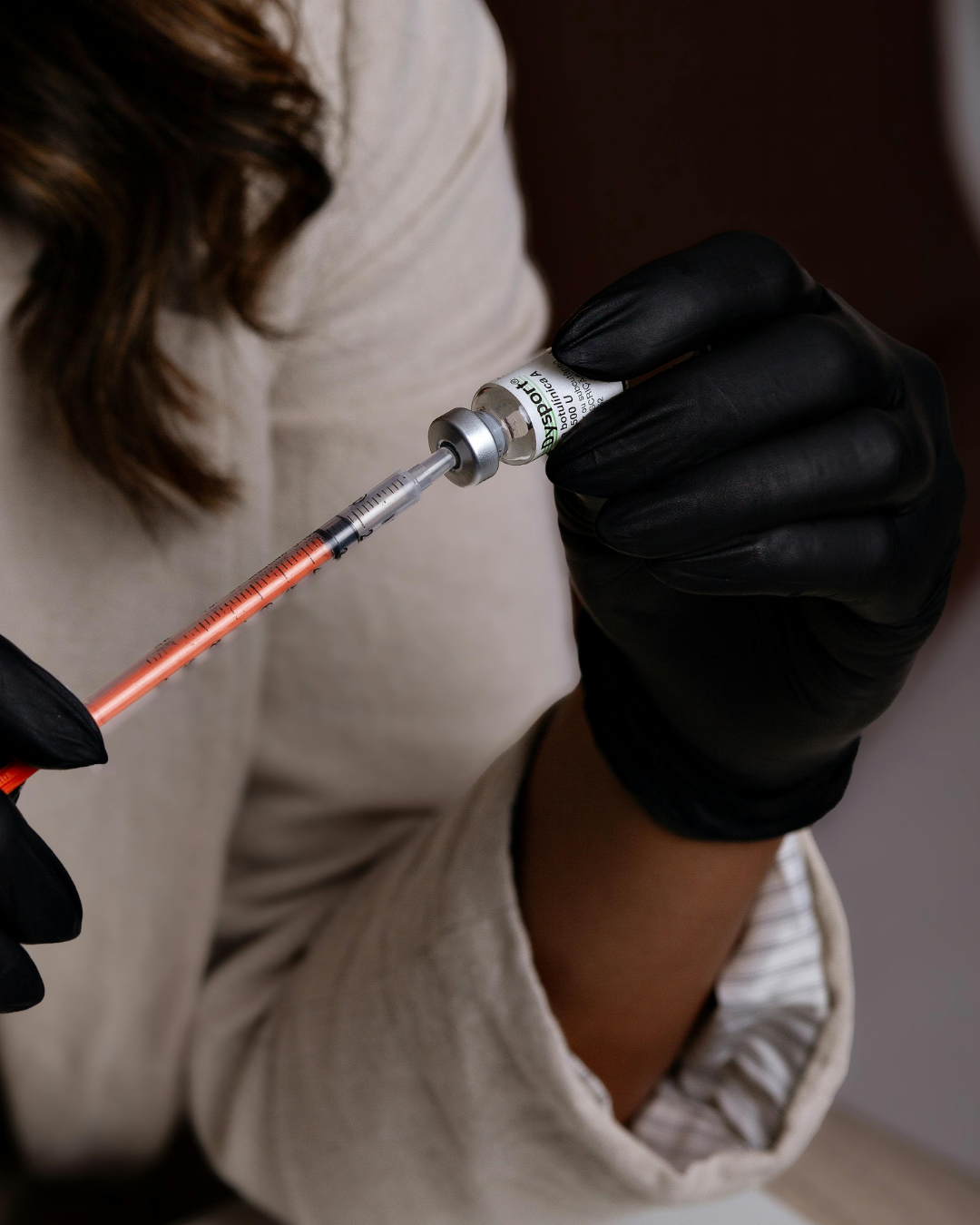
Traditional Esthetician: Spa-Focused Skin Care
A traditional esthetician typically works in:
Day spas
Resort spas
Wellness studios
Salon environments
Common Services Include:
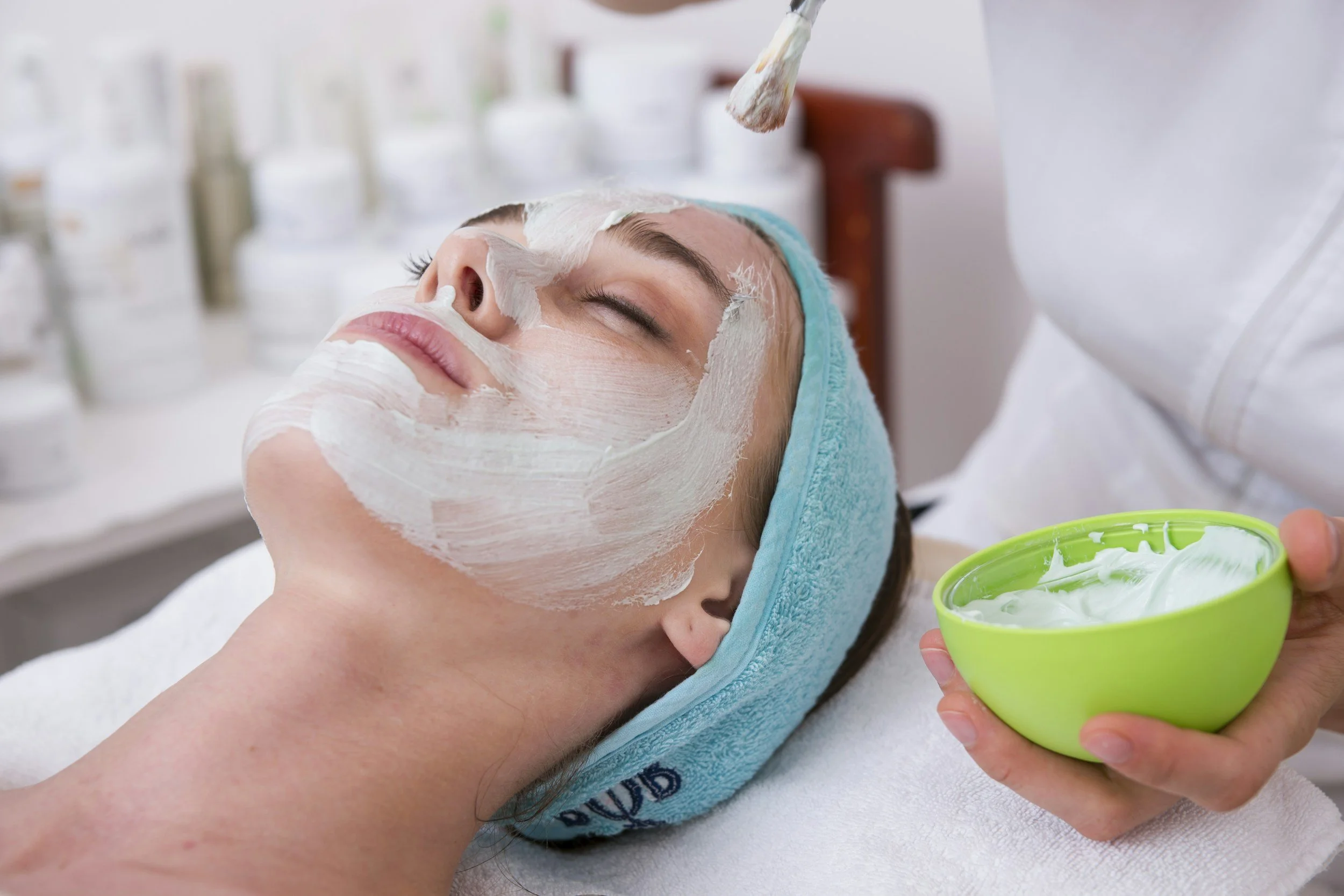
Relaxation facials
Basic chemical peels (within license scope)
Waxing and hair removal (non-laser)
Lash and brow services
Makeup application
Basic exfoliation treatments
Traditional esthetics often focuses on:
Client relaxation
Maintenance skincare
Surface-level exfoliation
Cosmetic enhancement
While results are important, the environment is generally less clinical and more wellness-oriented.
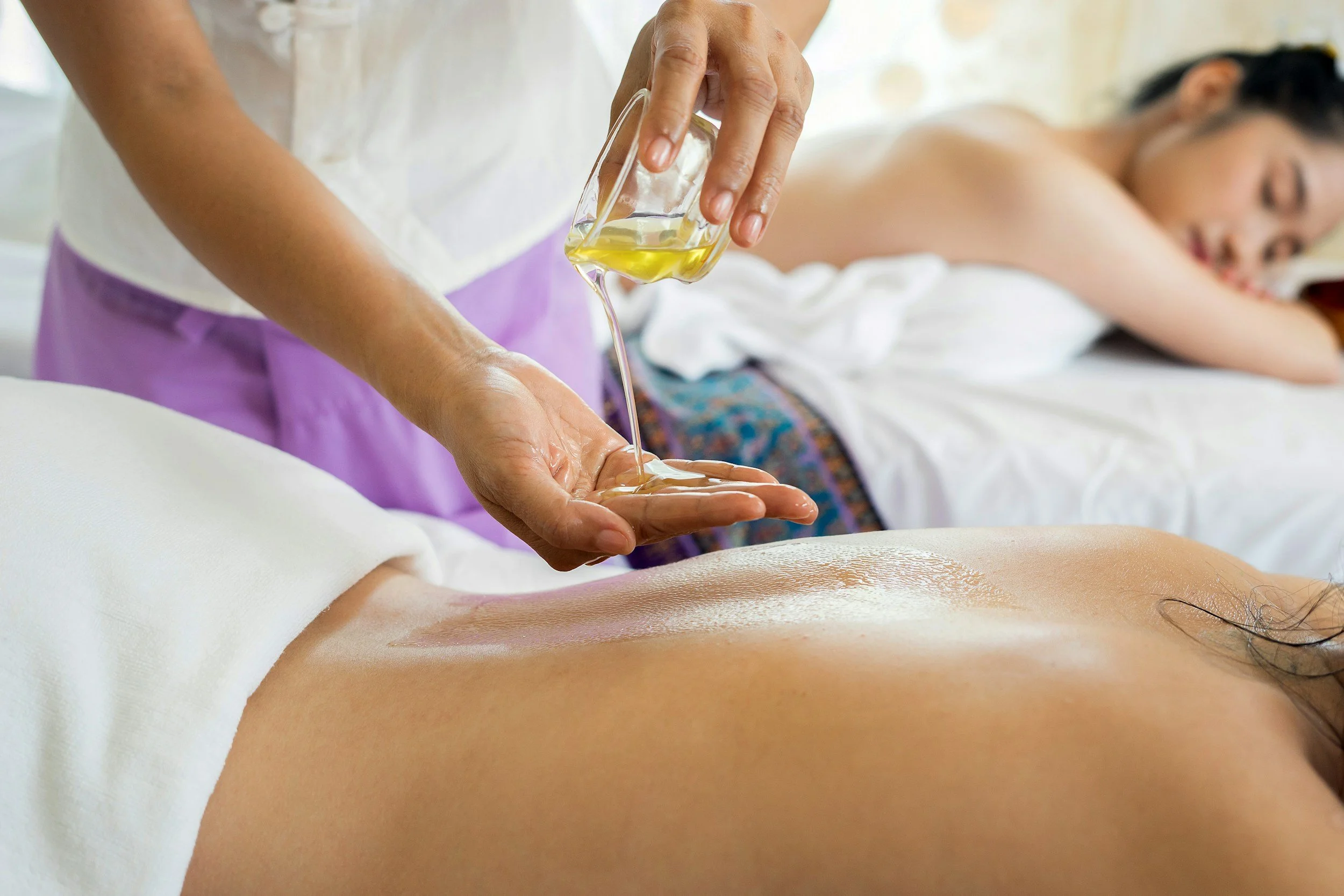
Medical Esthetician: Clinical, Results-Driven Practice
A medical esthetician works in a more medically integrated environment, often alongside physicians, nurse practitioners, physician assistants, laser technicians, and injectors.
Medical estheticians commonly work in:
Medical spas
Dermatology clinics
Plastic surgery offices
Acne specialty clinics
Laser-focused aesthetic practices
Advanced Treatment Focus May Include:
Medical-grade chemical peels
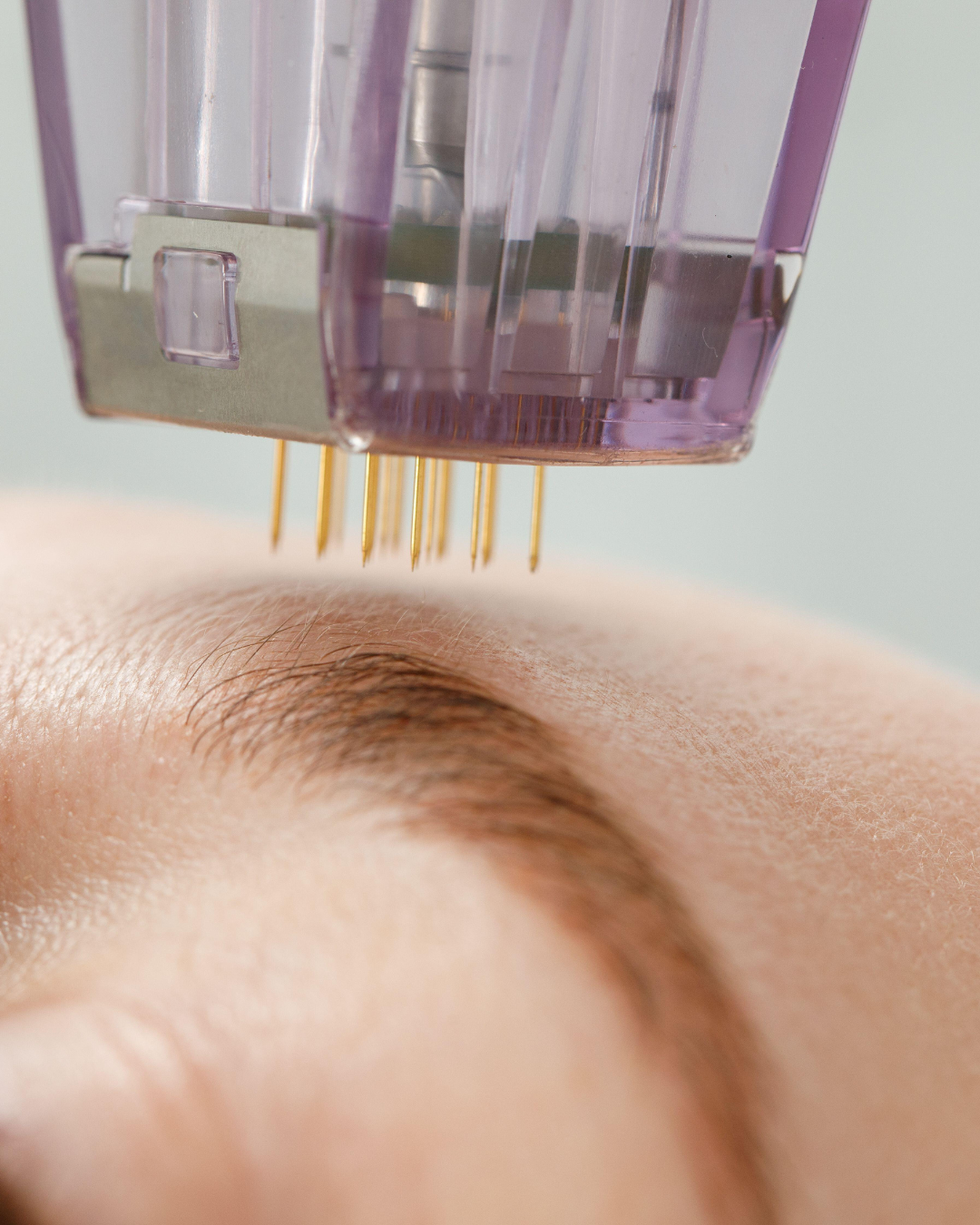
Microneedling
Dermaplaning
Corrective acne programs
Pre- and post-laser skincare support
Advanced facial rejuvenation protocols
The emphasis shifts from relaxation-based services to corrective, outcome-driven treatment plans.
Key Differences in Scope and Setting
1. Work Environment
Traditional Esthetician: Spa or salon setting
Medical Esthetician: Clinical or medically supervised environment
Medical estheticians often follow stricter documentation and safety protocols due to medical oversight.
2. Treatment Goals
Traditional Esthetics: Maintenance and cosmetic enhancement
Medical Aesthetics: Corrective, long-term skin transformation
Medical estheticians frequently treat concerns such as acne, hyperpigmentation, and aging with structured treatment plans.
3. Collaboration with Medical Providers
Medical estheticians often collaborate with:
Injectors
Laser technicians
Medical directors
This collaboration allows for combination treatment plans that integrate skincare, devices, and injectables.
Traditional estheticians typically operate independently without medical integration.

Income Potential
Advanced medical aesthetic roles may offer higher earning potential due to:
Clinical treatment pricing
Product sales of medical-grade skincare
Integration with high-revenue services
In Colorado, medspa environments in Denver and surrounding cities often provide growth opportunities beyond traditional spa roles.
Do You Need Additional Training to Become a Medical Esthetician?
In Colorado, the title “medical esthetician” is not a separate state license. However, advanced training is often required by employers to work in clinical aesthetic environments.
Advanced training typically includes:
In-depth skin science
Microneedling certification
Advanced chemical peel education
Treatment planning
Clinical documentation standards
Employers look for estheticians who are confident working in medically supervised settings.
Which Career Path Is Right for You?
You may prefer traditional esthetics if you:
Enjoy relaxation-focused services
Prefer spa or resort environments
Focus on cosmetic enhancements
You may prefer medical aesthetics if you:
Want to treat corrective skin conditions
Enjoy clinical, structured environments
Prefer working alongside medical providers
Seek long-term career growth and higher earning potential
Both paths are valid — the difference lies in professional goals and work environment preference.
How Elite Aesthetics Academy Helps You Transition
Elite Aesthetics Academy’s Medical Aesthetics Training Program in Denver is designed for licensed estheticians who want to move from spa-based roles into clinical, medically integrated environments.
Students receive:
Advanced skin science education
Hands-on treatment training
Consultation and documentation guidance
Integration strategies for medspa environments
Our program prepares estheticians for real-world expectations in Colorado’s growing medical aesthetics industry.
Final Takeaway
The primary difference between a traditional esthetician and a medical esthetician lies in environment, treatment focus, and level of clinical integration.
Traditional esthetics emphasizes maintenance and relaxation. Medical aesthetics emphasizes corrective, results-driven care within medically supervised settings.
If you are ready to elevate your esthetics career into advanced, clinical environments, request more information about our Medical Aesthetics Training Program in Denver today.
Your next level in aesthetics begins with advanced education.
👉 Explore advanced esthetics Training in Denver
Start advanced esthetics Training