Who Can Perform Chemical Peels in Colorado? (Scope of Practice Guide)
Chemical peels (often referred to in Colorado regulatory language as chemical resurfacing exfoliation) are a popular corrective skincare service — but who is legally allowed to perform them and under what conditions? The answer depends on licensure, training, and the depth of the peel being performed.
This guide breaks down the official rules so you understand who can perform chemical peels in Colorado, what training is required, and what’s prohibited under state law.
Colorado Scope of Practice: Licensed Estheticians & Cosmetologists
In Colorado, chemical peel services fall under the regulatory framework managed by the Colorado Department of Regulatory Agencies (DORA) through the Division of Professions and Occupations — Office of Barber and Cosmetology.
✔ Licensed Estheticians
Estheticians who hold an active Colorado license are authorized to provide chemical resurfacing exfoliation — including chemical peels — within their regulatory scope, provided they complete the required additional training.
State regulations explicitly state that:
Only licensed cosmetologists or estheticians who have completed the required chemical resurfacing exfoliation training may perform these procedures.
The training must include topics such as skin analysis, contraindications, skin conditions, treatment procedures, and aftercare, and must be completed at a school approved by the appropriate state agency (e.g., DPOS or CCCS).
Proof of completion (e.g., certificate) must be available upon request.
Required Additional Training
Colorado law requires licensed estheticians (and licensed cosmetologists) to complete specific additional coursework before performing chemical peels:
Chemical Resurfacing Exfoliation Coursework
Before performing chemical peels, a licensed esthetician must complete at least 24 hours of cosmeceutical or resurfacing coursework. The curriculum must cover:
✔ Skin analysis
✔ Conditions and contraindications
✔ Product ingredients and safety
✔ Treatment protocols
✔ Reaction management and aftercare
This training is typically structured as a post-licensure advanced certification or continuing education course at a school approved by Colorado’s regulatory bodies.
Types of Professionals Who Can Legally Perform Peels
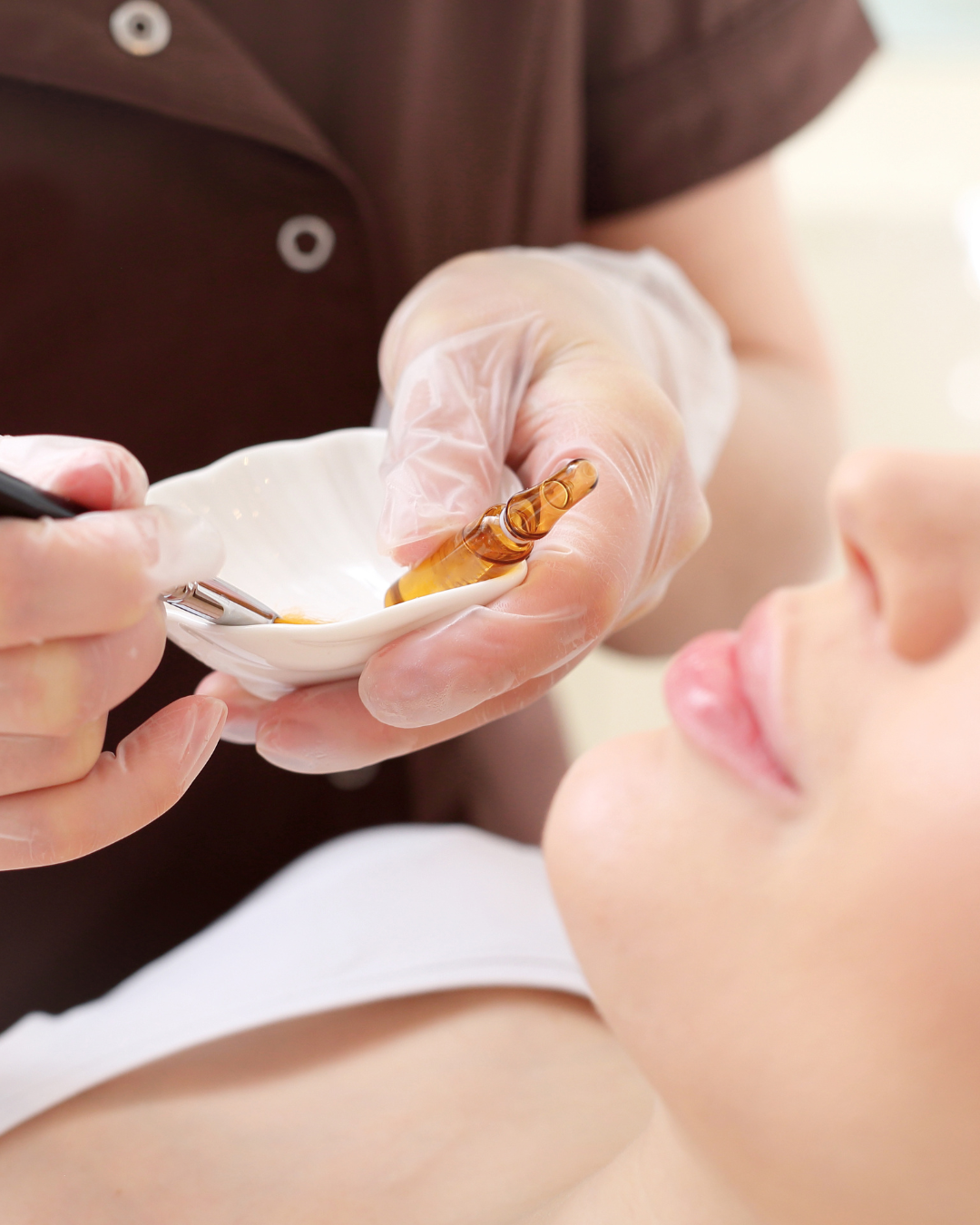
✅ Licensed Estheticians
May perform chemical peel treatments after completing the required additional training.
Authorized to perform superficial and certain medium peels within the cosmetic scope, following manufacturer and safety guidelines.
✅ Licensed Cosmetologists
Also allowed to perform chemical peels after completing proper training, since their initial license includes broader skin care and resurfacing education.
⚠ Licensed Medical Providers (optional scope)
When deeper or more aggressive chemical peels (e.g., high-strength TCA or phenol) are involved, these are often restricted to medical professionals (such as physicians, nurse practitioners, physician assistants, or registered nurses) or require direct physician oversight because of increased risk and dermal penetration — even if performed in a spa/medspa environment.
What Is Allowed vs. What Is Not
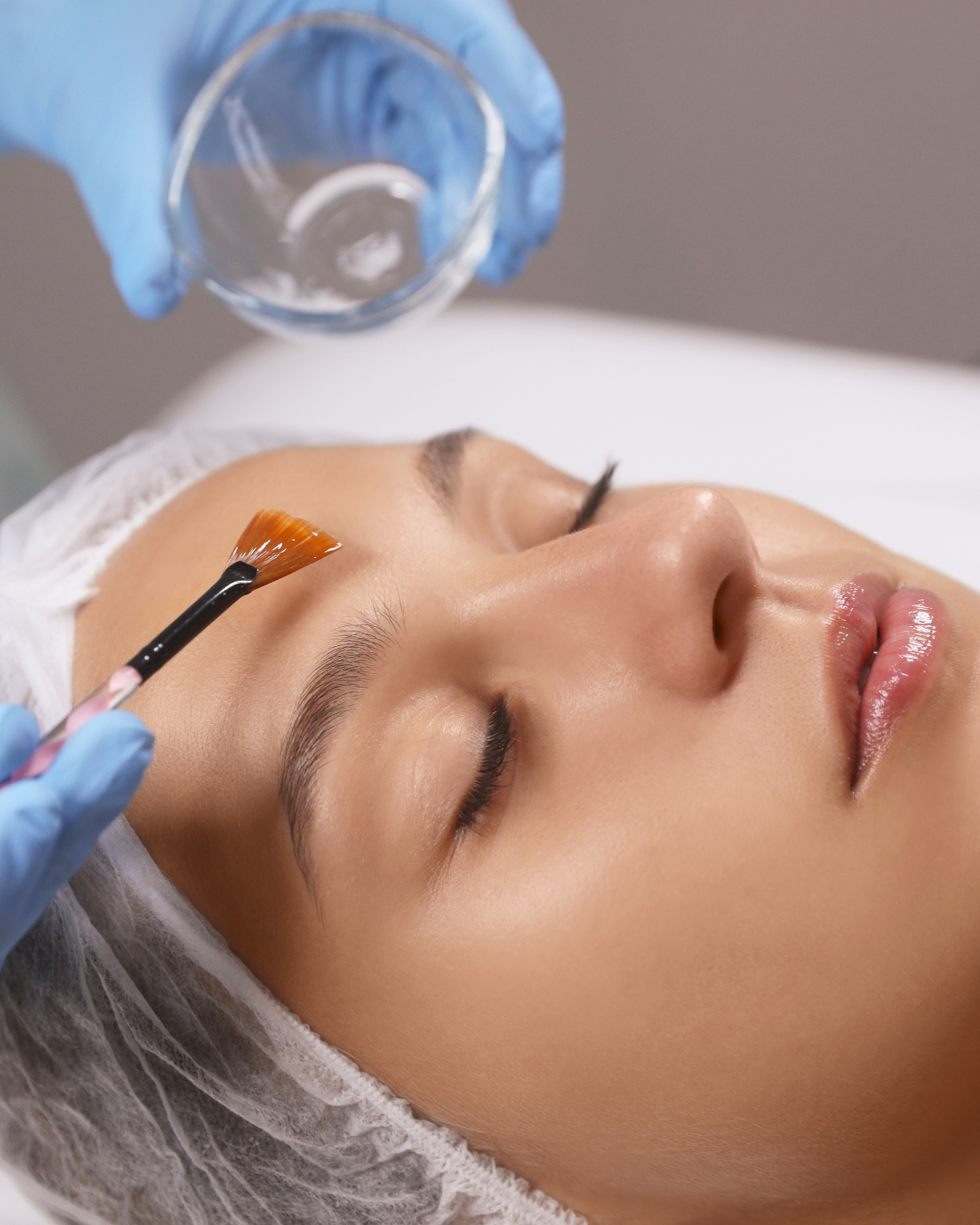
✔ Allowed (with training and license):
Superficial peels targeting the outermost layer of the epidermis
Some medium peels that do not penetrate below the epidermis
Applications where training and manufacturer instructions are followed
Client consultations, contraindication screening, and aftercare guidance
❌ Not allowed without medical license or supervision:
Deep peels that penetrate significantly beyond the epidermis (e.g., high-strength TCA or phenol peels)
Chemical treatments that alter or destroy living skin tissue below the epidermal layer
Summary: Legal Scope for Chemical Peels in Colorado
In Colorado:
Licensed estheticians and cosmetologists may perform chemical peels — but only after completing the state-required advanced resurfacing training (24+ hours of coursework).
Training must be from a state-approved school/program and include key clinical and safety topics.
Superficial and many medium peels are within the scope of esthetics practice once training is complete; deeper peels generally require medical credentials or supervision.
Compliance documentation (certificates) should be maintained and produced on request.
👉 Explore 600-hour esthetician license program in Denver
Start esthetics Training