Who Can Perform Dermaplaning in Colorado? (Scope of Practice Guide)
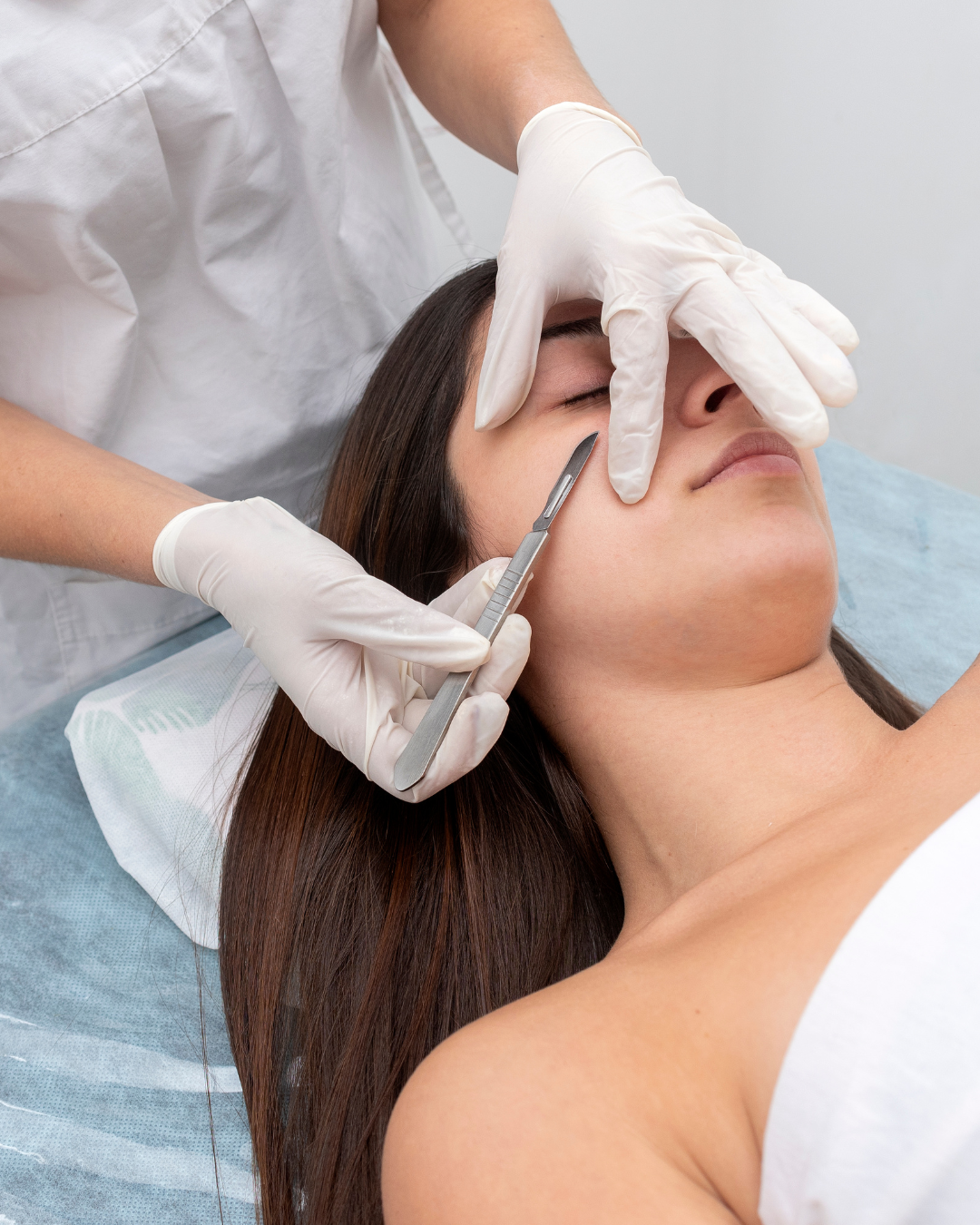
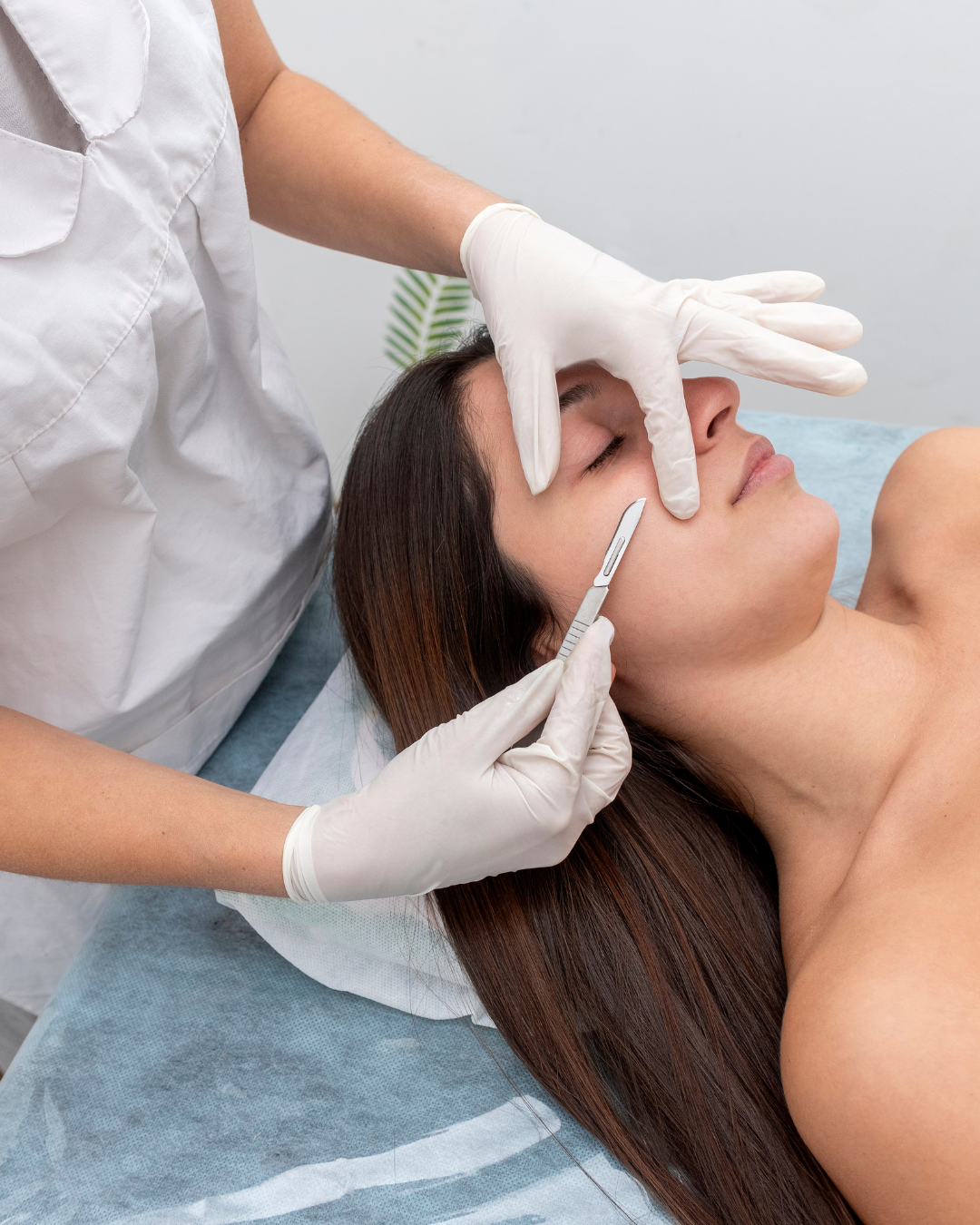
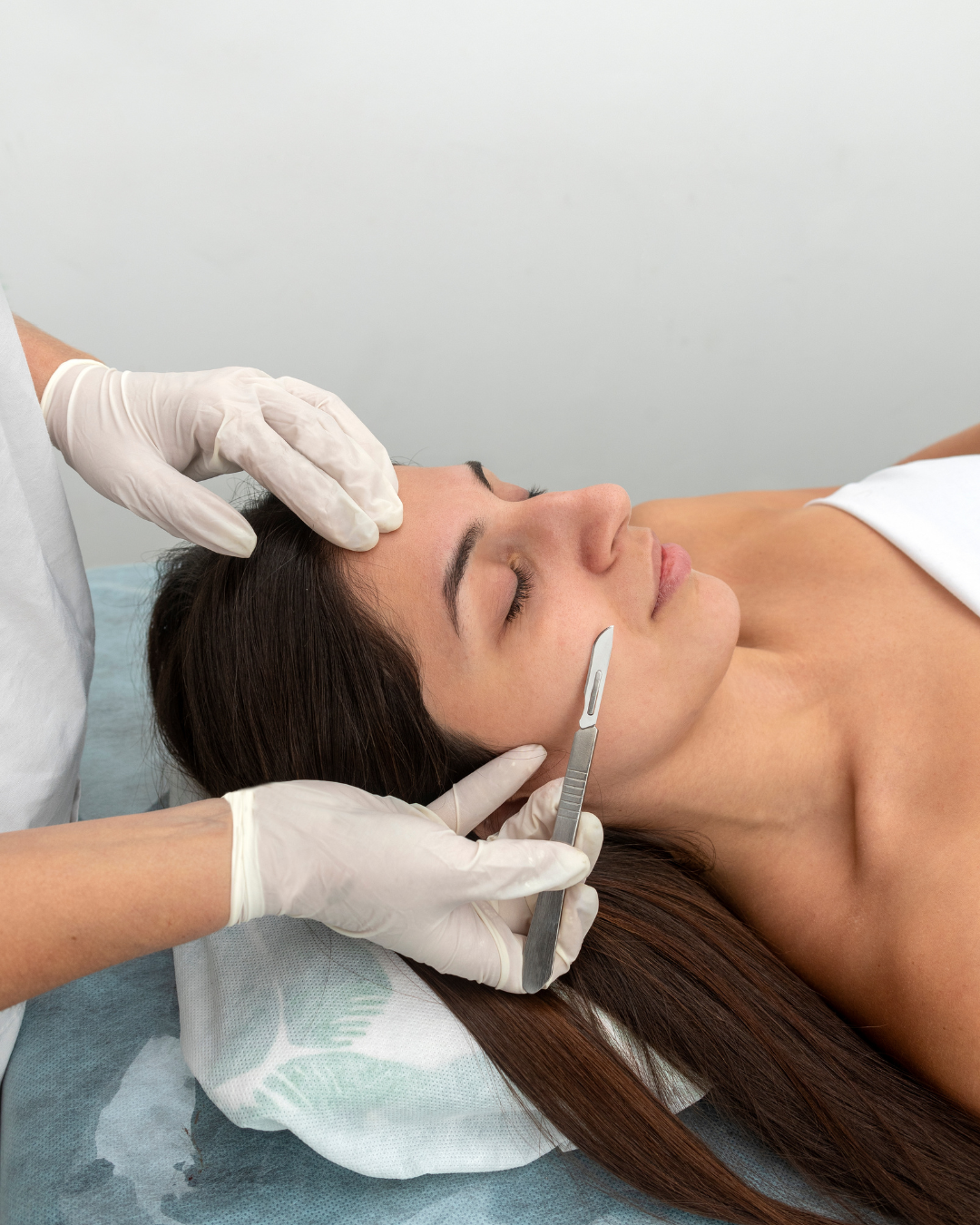
Dermaplaning is one of the most popular advanced exfoliation services offered in spas and medical-aesthetic environments. It uses a sterile surgical blade to gently remove dead skin cells and fine vellus hair (“peach fuzz”) from the top layer of skin. While it is a relatively safe procedure when done properly, Colorado regulations make clear who is legally allowed to perform this service and what training they should have.
Colorado Licensing & Regulatory Authority
Dermaplaning services fall under the regulatory framework of the Colorado Department of Regulatory Agencies (DORA) through the Barber and Cosmetology Practice Act. All esthetic services, including advanced exfoliation techniques, are subject to state oversight to protect public safety.
✔ Licensed Estheticians
In Colorado:
You must be a licensed esthetician to legally perform dermaplaning.
Esthetics licensure requires completion of a 600-hour state-approved program and successful passage of the Colorado licensing exam.
Experienced estheticians are permitted to perform non-invasive exfoliation techniques — including dermaplaning — as part of their scope of practice provided they follow infection control, sanitation, and safety standards set by DORA.
While Colorado does not explicitly list dermaplaning in its statutory text, the procedural authorization is implied within the ordinary and customary services of esthetic practice (such as manual exfoliation), subject to infection control rules and any additional training standards.
Important: Completing a standalone “dermaplane certificate” does not substitute for an esthetician license. The state license is what legally authorizes you to perform the service, and additional training is recommended to ensure safety and technique mastery

What the Law Means in Practice
Safe Practice Requirements
Licensed estheticians who choose to add dermaplaning to their service offerings should ensure they have:
Proper advanced training in blade technique and safety
Infection control and sanitation knowledge
Detailed client consultation and screening protocols
Sterile, single-use blades and proper disposal procedures
Insurance and documentation of continuing education
Because dermaplaning uses a surgical-grade blade for manual exfoliation, hands-on technique and safety training beyond basic licensure is strongly recommended.
Other Professionals Who Can Perform Dermaplaning
In addition to licensed estheticians, other trained professionals may perform dermaplaning:
Licensed cosmetologists with appropriate training
Nurse estheticians and medical aestheticians working under the supervision of medical professionals
Physicians and dermatologists in a clinical setting
This reflects the broader industry view that dermaplaning is safe when performed by trained professionals who understand anatomy, safety protocols, and infection control.
What Happens If You Practice Without Proper Authorization
Performing dermaplaning without a valid Colorado esthetician (or other relevant) license may result in:
Regulatory disciplinary actions
Fines or cease-and-desist orders
Loss of professional credibility
Legal liability in case of client harm
Always verify your credentials with DORA before offering advanced services like dermaplaning.
Summary: Who Can Legally Perform Dermaplaning in Colorado
In Colorado, licensed estheticians are authorized to perform dermaplaning when they:
✔ Hold a valid Colorado esthetician license
✔ Follow infection control and sanitation requirements
✔ Obtain additional training in advanced techniques
✔ Operate within their legal scope of practice
Other trained professionals — including licensed cosmetologists and medical aestheticians under supervision — may also perform dermaplaning depending on their credentials and workplace protocols.
👉 Explore 600-hour esthetician license program in Denver
Start esthetics Training