Who Can Perform Injectables in Colorado? (Scope of Practice Guide)
If you’re considering a career in aesthetic injectables — including Botox and dermal fillers — in Colorado, understanding who is legally allowed to perform these procedures is essential for your safety, compliance, and professional success.
In Colorado, injectables are considered medical procedures, not cosmetic services like facials or skin care. This means specific healthcare licensure and supervision requirements must be met before someone can administer injections.
Why Injectable Scope of Practice Matters
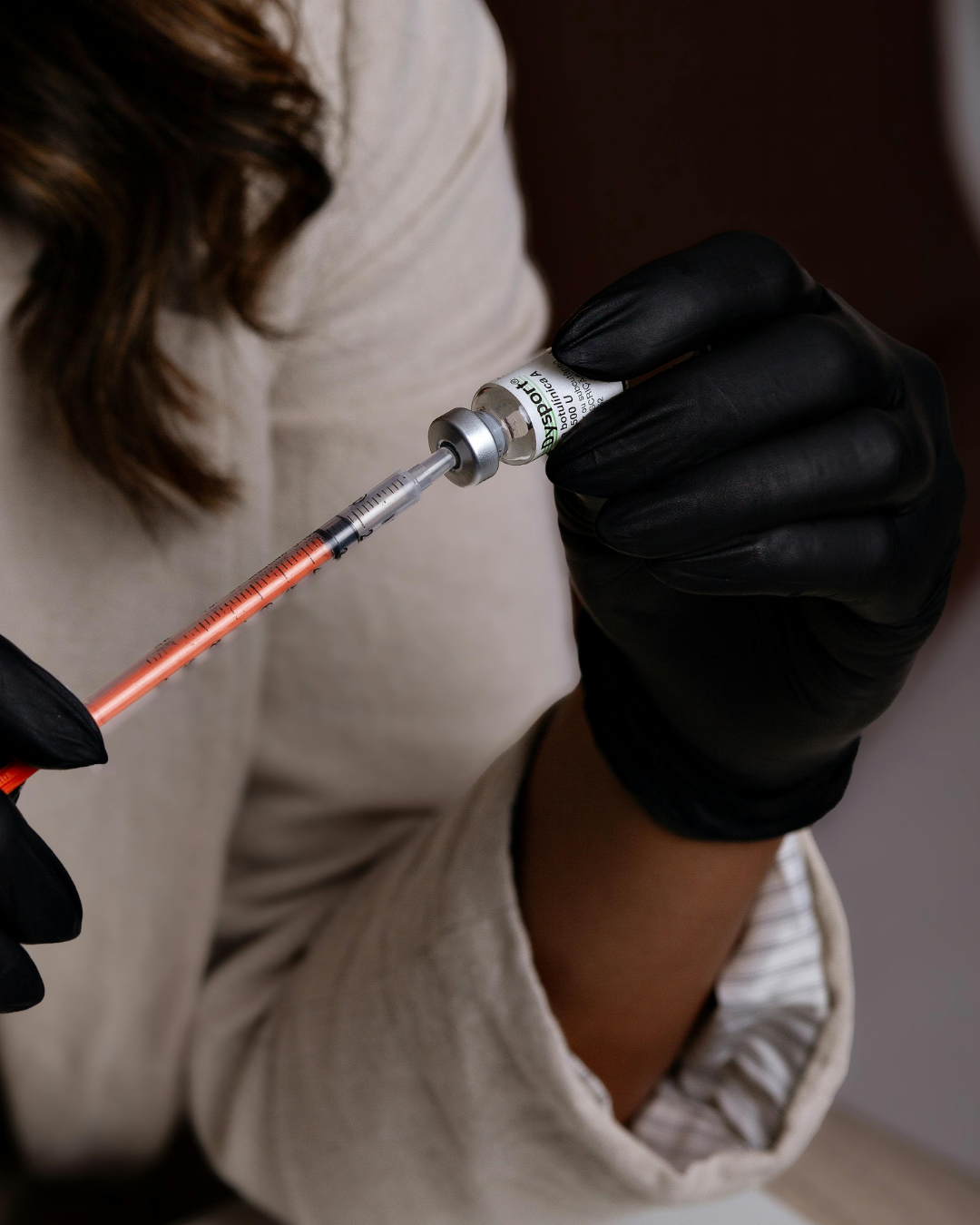
Injecting substances like Botox®, Dysport®, Xeomin®, Juvederm®, Restylane®, and other dermal fillers involves penetrating skin and altering tissues, which places these treatments squarely within the medical practice definition in Colorado.
Because of this:
Pretending to legally inject without proper credentials can be illegal and dangerous.
Clinics and medical directors are legally responsible for ensuring injectors are qualified.
Patients deserve providers with deep knowledge of anatomy, safety, and emergency protocols.
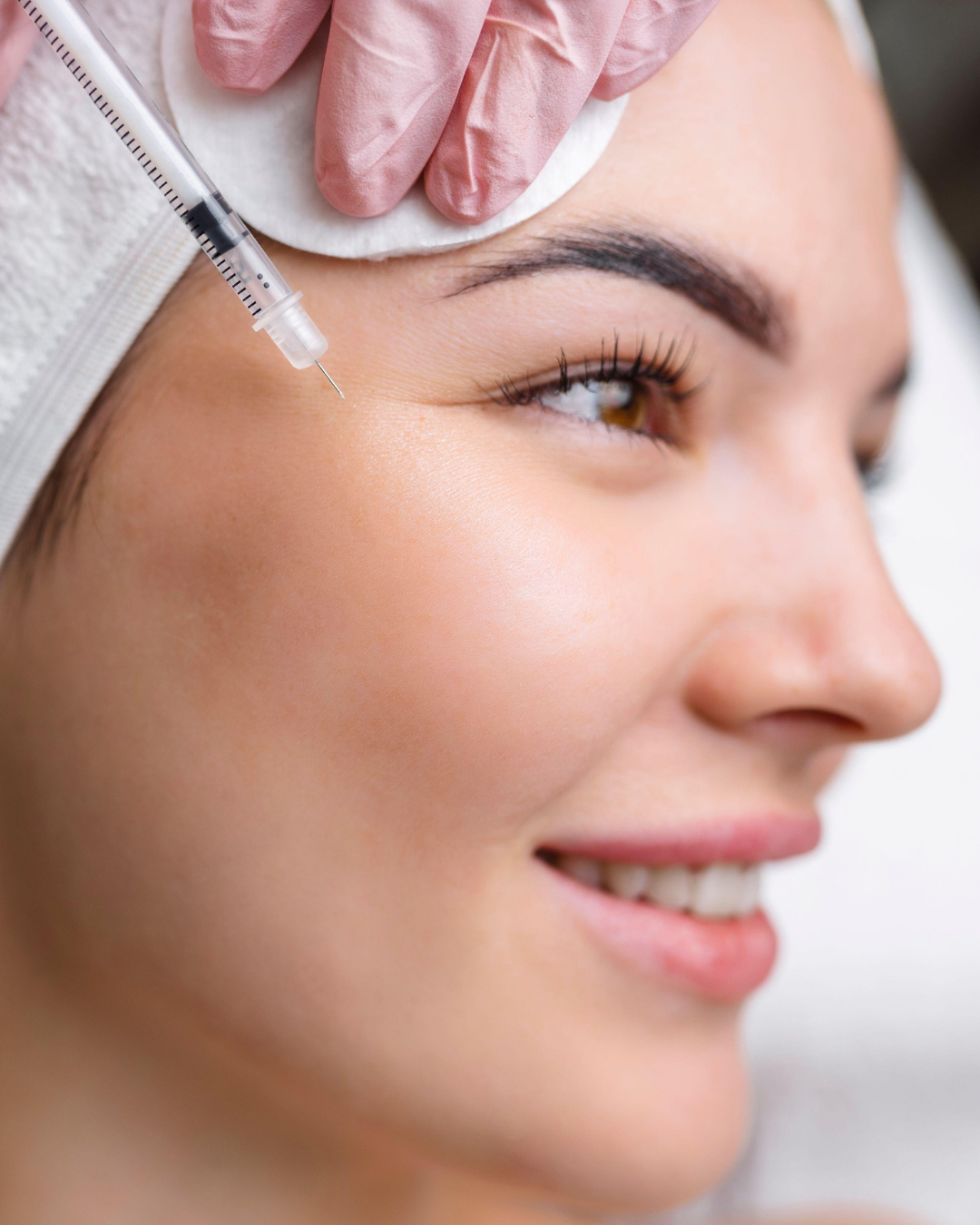
Who Is Legally Authorized to Perform Injectables in Colorado?
Licensed Physicians (MD & DO)
Physicians have the broadest authority to administer injectables independently.
They may also serve as medical directors and supervise other providers.
Nurse Practitioners (NPs)
NPs can administer injectables independently under their nursing license and scope of practice.
Physician Assistants (PAs)
PAs may perform injections but must do so under the supervision or delegation of a licensed physician.
Registered Nurses (RNs) & Licensed Practical Nurses (LPNs)
RNs and LPNs may inject only when delegated and overseen by a licensed physician or NP, following Colorado Medical Board regulations (e.g., Rule 800).
Can Non-Medical Providers (Estheticians) Perform Injectables?
No — licensed estheticians cannot legally perform injectables like Botox or dermal fillers in Colorado unless they are under delegation from a licensed medical professional and are working under proper medical supervision.
Although some courses teach injection techniques to estheticians, training alone does not grant legal authority to inject. Aesthetic titles (like “medical esthetician” or “certified injector”) do not substitute for a medical license.

Supervision and Delegation Rules (Rule 800)
Colorado’s Rule 800 outlines the standards for the delegation and supervision of medical services, including cosmetic injectables. Under this rule:
Injectables must be performed under the personal and responsible supervision of a licensed physician.
The physician must ensure:
Proper training and competency of the delegatee
Weekly monitoring of outcomes
Compliance with safety and medical protocols
Delegation to licensed professionals (e.g., RNs, PAs) is permitted within this framework.
This system allows flexibility, but safety and oversight remain paramount.
What This Means for Your Injectable Career
To legally perform injectables in Colorado:
You must be a licensed healthcare professional (Physician, NP, PA, RN/LPN).
You must complete specialized injectable training (Botox, dermal fillers, safety, anatomy).
You must work within your scope of practice and comply with supervision requirements if you are not a physician or NP.
Working with Medical Directors
Many medical spas in Colorado operate under a physician medical director, enabling:
Delegation of injections to qualified nurses or PAs
Structured oversight and quality assurance
Legal compliance with Colorado medical regulations
Having proper injectable training and understanding the scope of practice makes you a preferred candidate for these positions.

Why Proper Training Matters
Injectables involve more than technique — they require:
Facial anatomy expertise
Complication recognition and management
Infection control and emergency protocols
Client assessment and consent
Documentation and follow-up care
Completing a comprehensive injectable training program equips you with the skills and knowledge employers and medical directors expect.

Conclusion: Who Can Inject in Colorado (Quick Summary)
In Colorado, injectables are treated as medical procedures, and only qualified professionals can perform them:
✔ Licensed Physicians (MD/DO)
✔ Nurse Practitioners (NP)
✔ Physician Assistants (under supervision)
✔ Registered/Licensed Practical Nurses (under supervision)
Estheticians cannot inject without appropriate delegation and supervision.
👉 Explore Cosmetic Injectable Training in Denver
Start cosmetic injectables Training