Laser Safety Training Requirements in Colorado
Laser safety training is a non‑negotiable requirement for anyone performing cosmetic laser and light‑based treatments in Colorado. While the state does not issue a single, standalone “laser license,” proper education, safety training, and documented competency are essential for legal compliance, employment, and patient safety.
This guide explains laser safety training requirements in Colorado, what employers expect, and how high‑quality training programs prepare students to meet both regulatory and real‑world standards.
Why Laser Safety Training Is Critical
Cosmetic lasers and energy‑based devices are classified as medical devices because they affect living tissue. Improper use can result in:
Burns and scarring
Pigment changes
Eye injuries
Permanent skin damage
Legal liability for providers and clinics
Because of these risks, Colorado requires that laser treatments be performed under medical direction, and that individuals operating lasers receive formal training in laser safety and device operation.
Laser safety training protects:
Clients
Providers
Medical directors
The clinic or medspa
Colorado Laser Regulations: What You Need to Know
Colorado does not issue a state‑specific cosmetic laser license. However, this does not mean laser use is unregulated.
Key Regulatory Principles in Colorado:
Laser treatments must be performed under the supervision or delegation of a licensed medical provider (medical director).
Individuals operating lasers must have documented education and competency training.
Clinics must follow OSHA, FDA, and ANSI laser safety standards.
Because enforcement often occurs at the employer and medical director level, training documentation is critical.
➡️ This is why employers prioritize graduates from reputable laser training programs with clear safety protocols and hands‑on instruction.


What Laser Safety Training Should Include
LaA comprehensive laser safety education program in Colorado should cover both theoretical knowledge and practical application.
Core Laser Safety Topics
Laser Physics & Tissue Interaction
How lasers and light interact with skin and tissue
Absorption of energy by chromophores (melanin, hemoglobin, water)
Differences between laser and IPL technology
Skin Typing & Risk Assessment
Fitzpatrick skin type classification
Risk factors for adverse reactions
Proper client selection
Contraindications & Treatment Exclusions
Medical conditions
Medications that increase risk
Sun exposure and skin conditions
Laser Parameters & Device Settings
Fluence, pulse duration, and wavelength
Spot size and repetition rates
Safe adjustment of settings
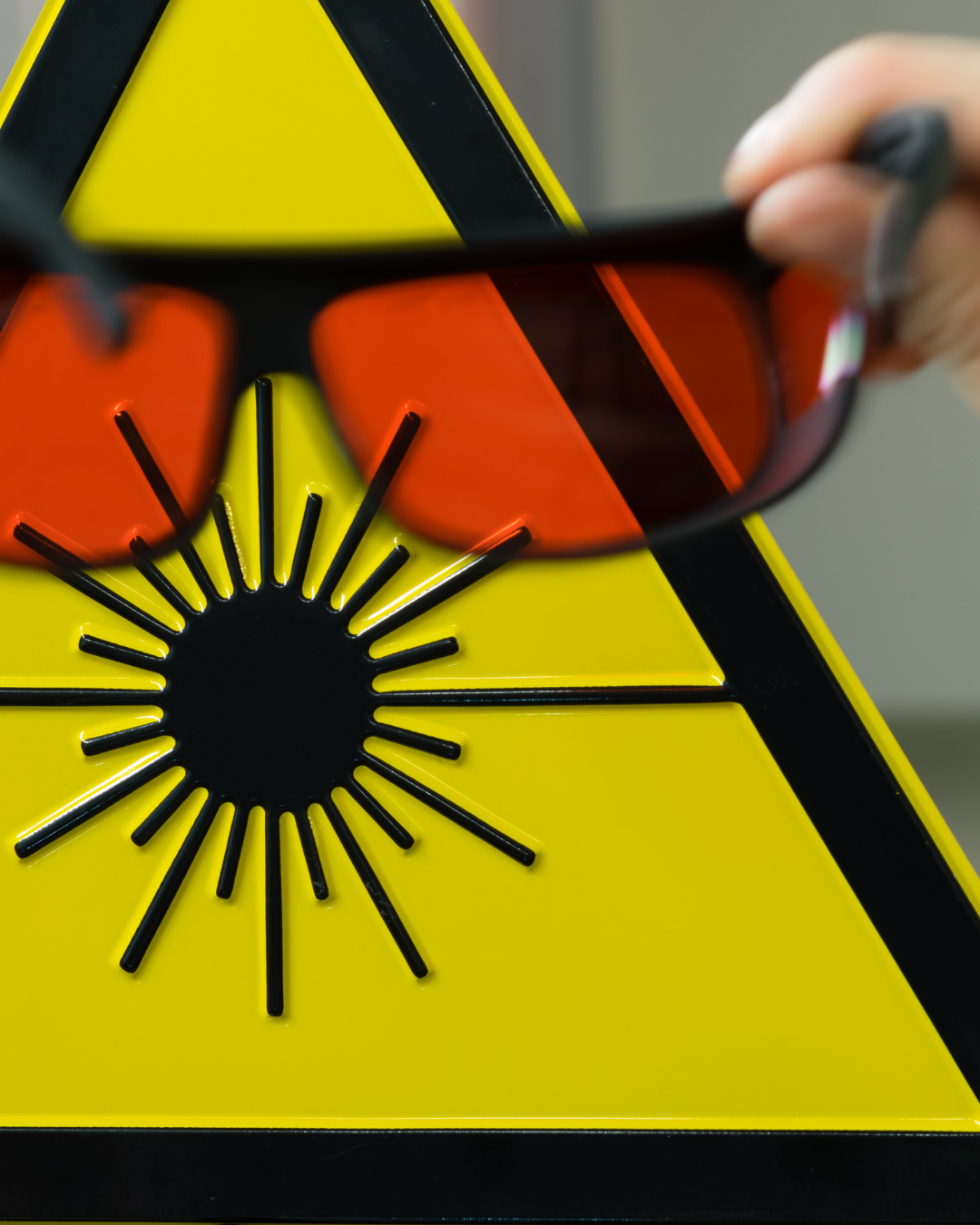
Eye & Environmental Safety
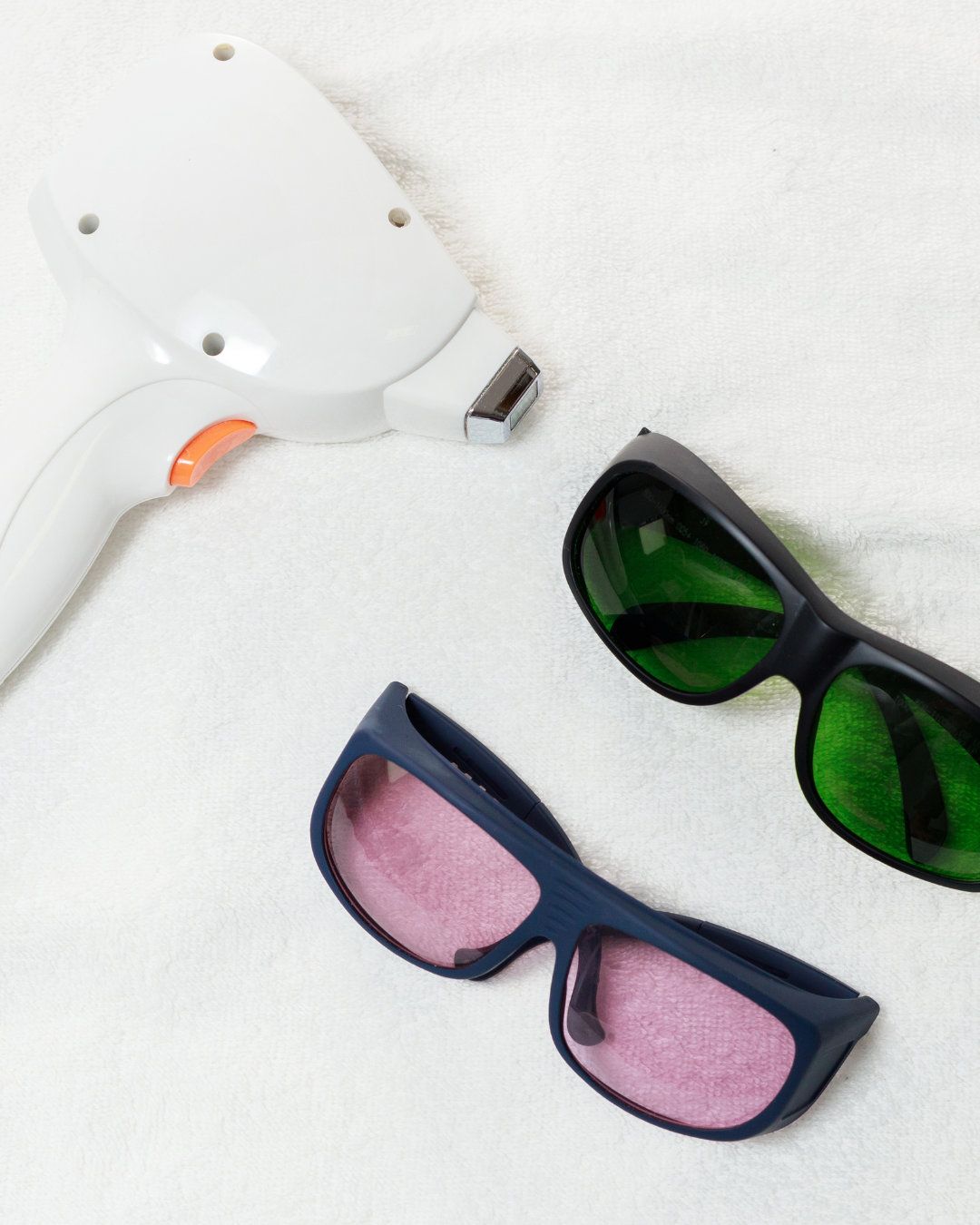
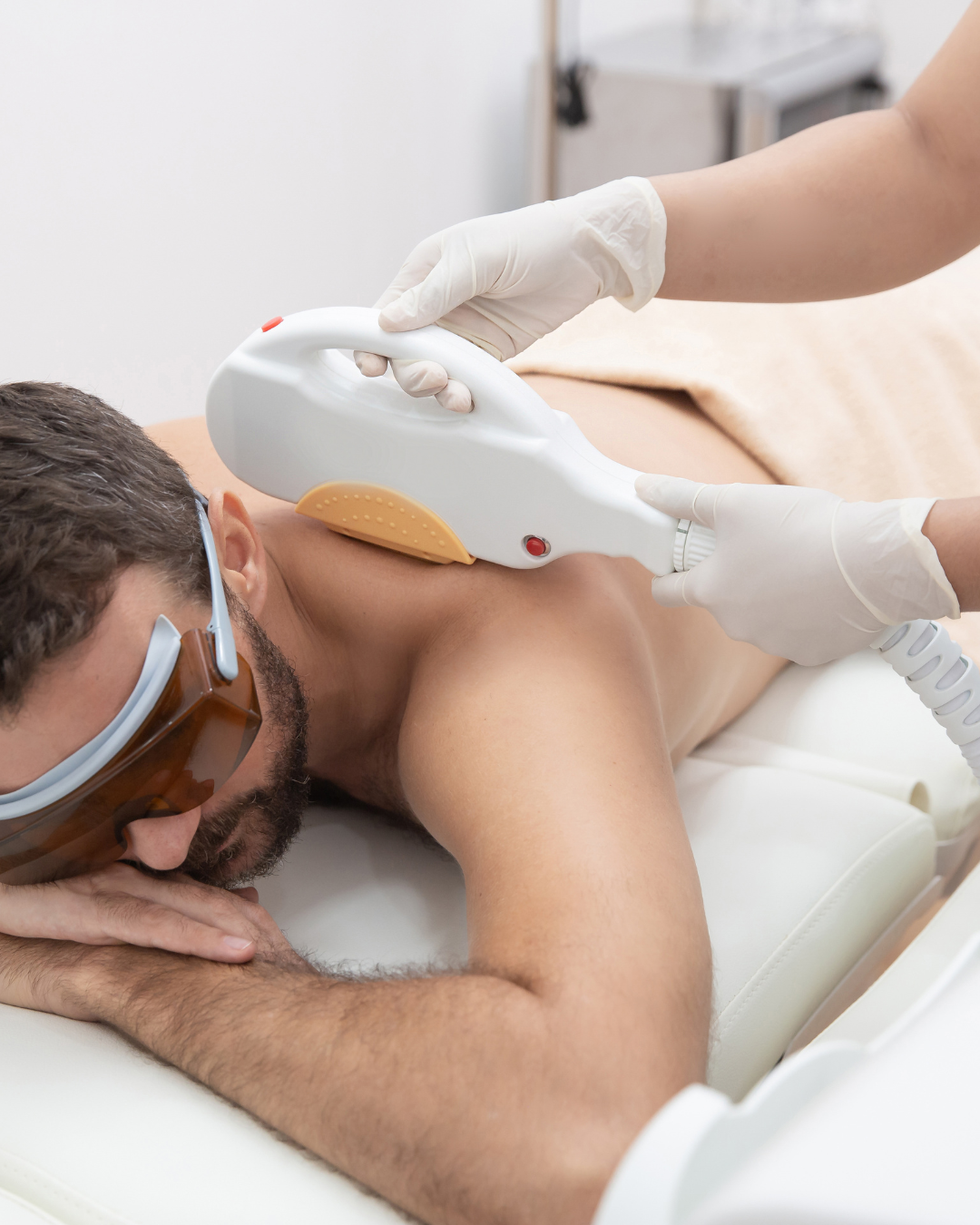
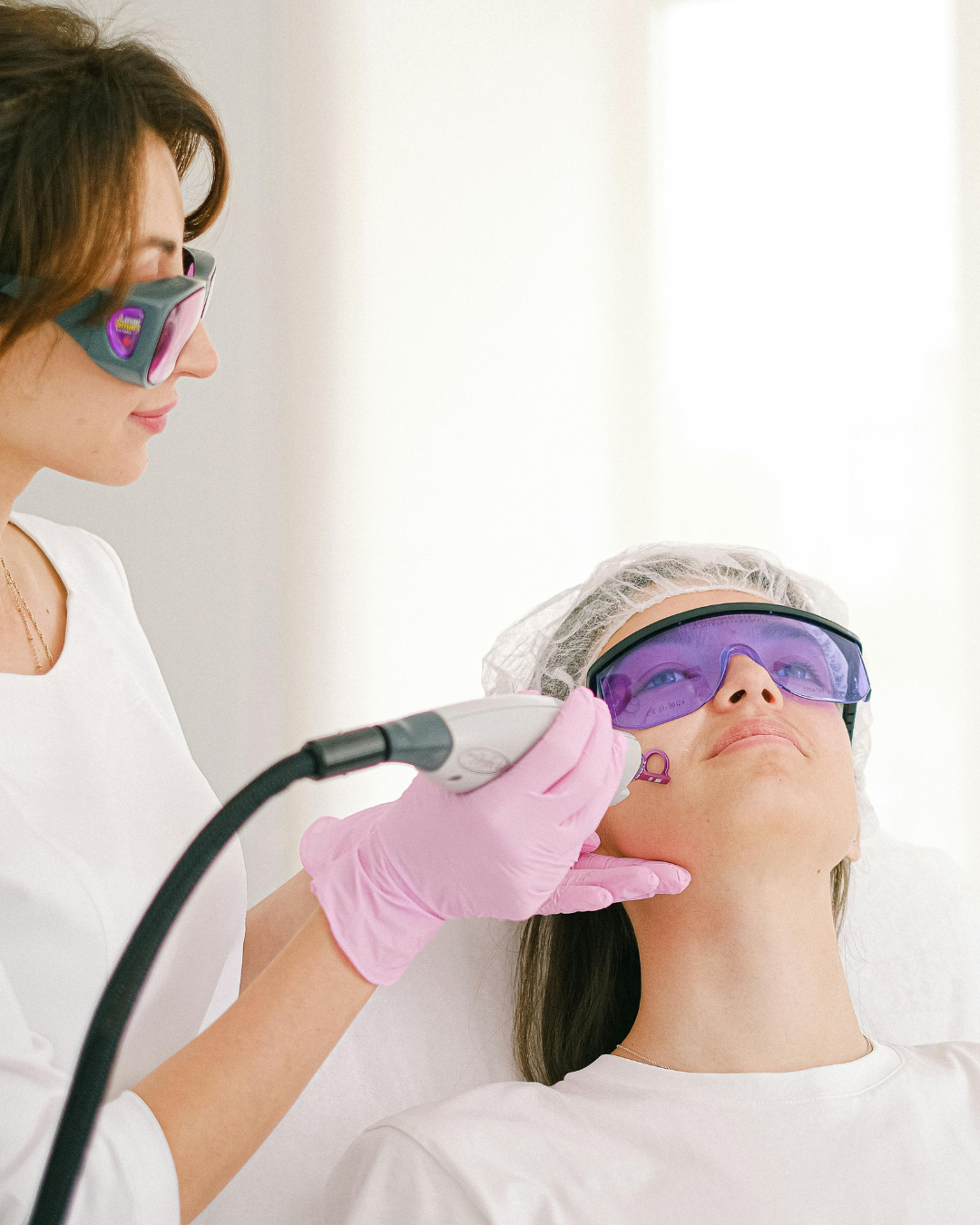
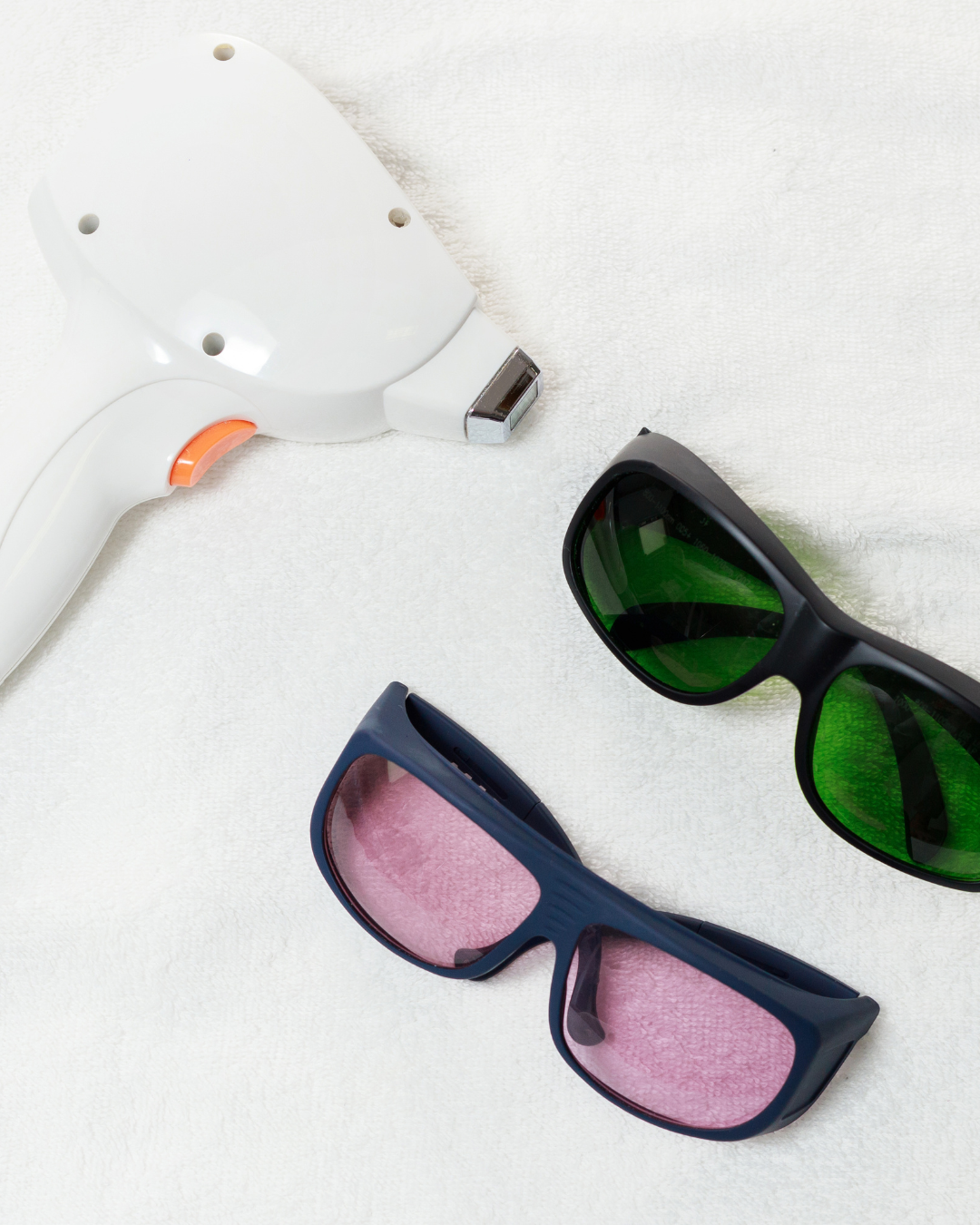
Protective eyewear for providers and clients
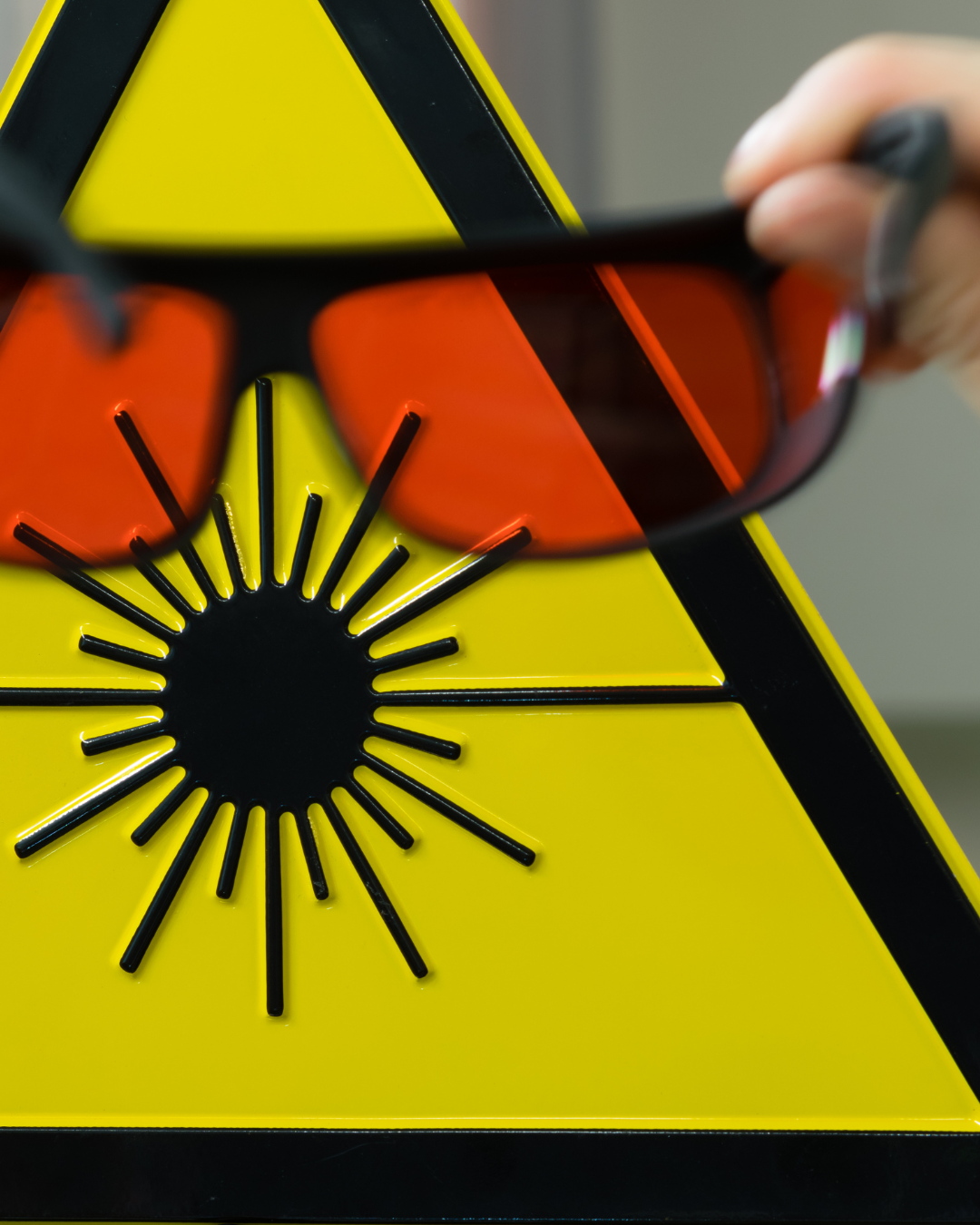
Controlled treatment areas
Signage and access restrictions
Emergency Protocols
Burn management
Adverse reaction response
Incident documentation
Laser Safety Officer (LSO) Training
While not always mandatory for individual technicians, Laser Safety Officer (LSO) principles are a standard part of high‑quality laser education.
LSO‑level concepts include:
Laser safety policies and procedures
Risk assessments
Compliance documentation
Equipment maintenance and inspections
Understanding LSO responsibilities makes graduates more valuable to employers and helps clinics remain compliant.
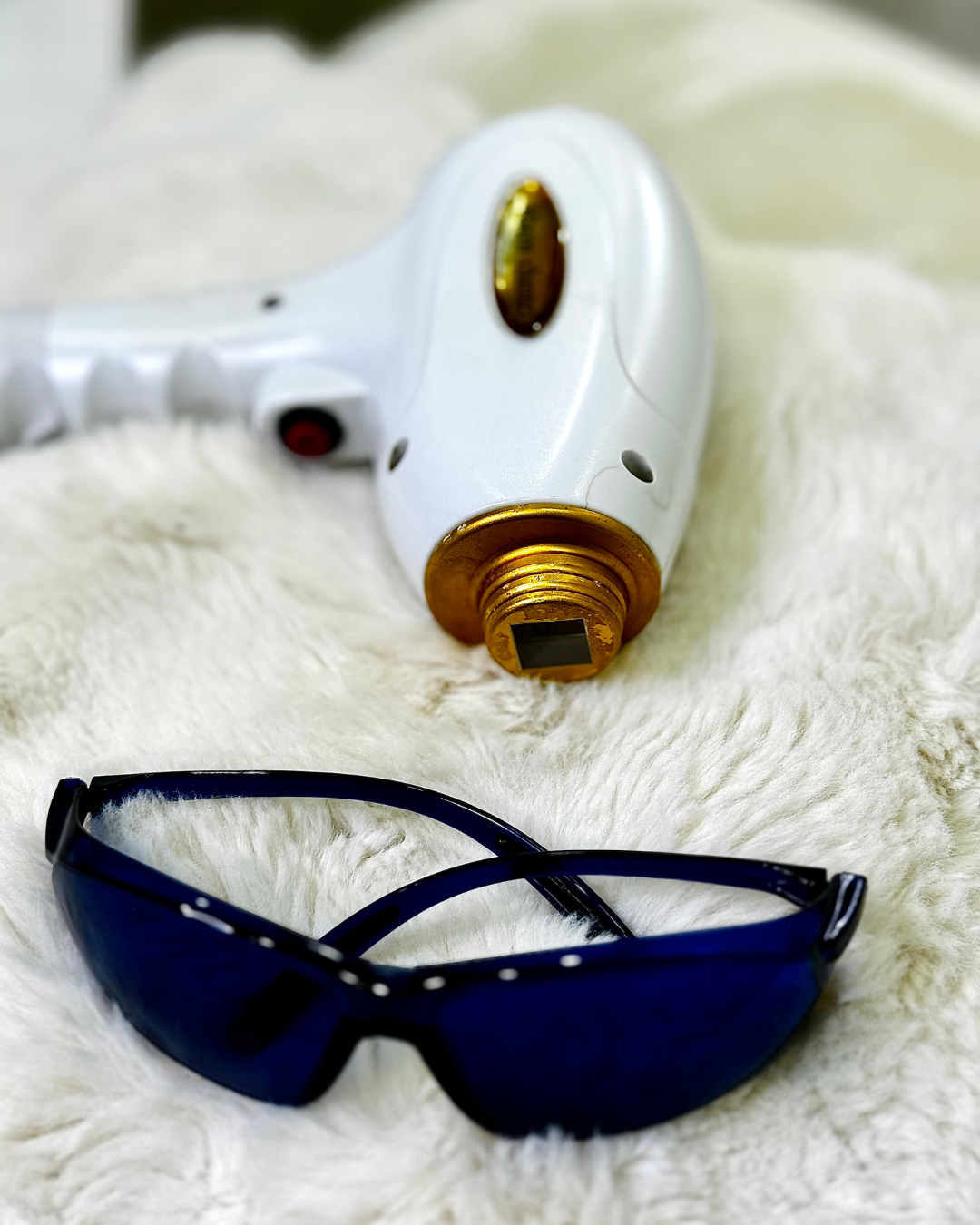
Hands‑On Safety Training Matters
Classroom education alone is not sufficient for laser safety.
High‑quality programs require:
Live model treatments
Instructor‑supervised procedures
Practice on multiple skin types
Real‑world scenario training
🚩 Programs that rely primarily on online modules or demonstrations may leave students underprepared and increase liability for employers.
Hands‑on training allows students to:
Recognize early signs of adverse reactions
Adjust settings safely
Build confidence and competency
What Employers and Medical Directors Look For
In Colorado, employers and medical directors typically require:
Certificate of completion from a reputable laser training program
Documentation of laser safety education
Proof of hands‑on clinical training
Demonstrated competency on specific devices
Medical directors are legally responsible for delegated laser services, which is why they carefully vet a technician’s training background.
➡️ Graduates with thorough laser safety training are easier to onboard and more attractive hires.

How Elite Aesthetics Academy Prepares Students
Elite Aesthetics Academy integrates laser safety training into every aspect of its Cosmetic Laser Training Program.
Our Safety‑Focused Approach Includes:
Comprehensive laser theory education
Device‑specific safety protocols
Live model clinical training
Instructor‑guided competency validation
Documentation aligned with employer and medical director expectations
Students graduate with the knowledge, confidence, and safety awareness required to work responsibly in Colorado’s medical aesthetics environment.

Is Laser Safety Training Required Before Employment?
Yes. While the state does not issue a single license, laser safety training is effectively required for employment in Colorado.
Clinics, medspas, and medical directors will not allow laser treatments without documented training due to:
Legal liability
Insurance requirements
Patient safety standards
Completing a comprehensive laser training program is the safest and most reliable path to employment.
Ready to Train the Right Way?
If you’re considering a career in laser aesthetics, safety education is the foundation of your success.
👉 Learn more about Elite Aesthetics Academy’s Cosmetic Laser Training Program in Denver
👉 Request program details or schedule a tour
Professional laser training isn’t just about learning treatments — it’s about learning to perform them safely, responsibly, and confidently.
👉 Explore Cosmetic Laser Training in Denver

Start Laser Training
Learn More
-
How To Become A Certified Laser Technician in colorado
-

laser technician salary in colorado 2026 guide
-
laser safety training requirements in colorado
-
is cosmetic laser training worth it in 2026
-
day in the life of a laser technician
-
what devices do students train on in laser school